
 Practice
Math Toolkit
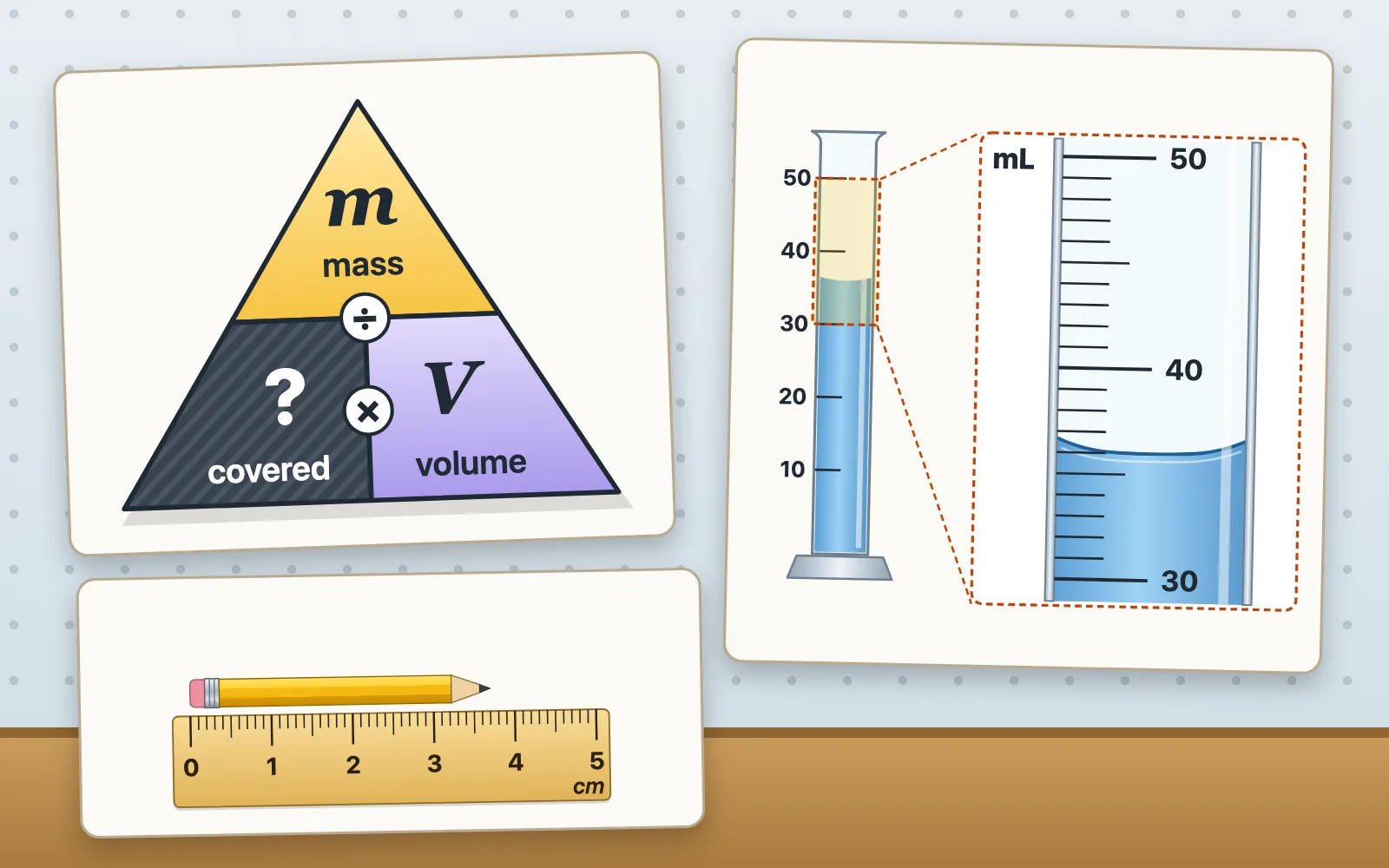
Foundations: one-step formulas with a cover-up triangle, percent, reading scales, temperature change, scientific notation, conversions.
Launch Math ToolkitInvestigate Earth's systems and its place in space, from rocks and oceans to planets and orbits.
105 activities in 7 units · 5 simulations, 54 practice activities, 30 labs, 16 arcade games
Practice
Foundations: one-step formulas with a cover-up triangle, percent, reading scales, temperature change, scientific notation, conversions.
Launch Math Toolkit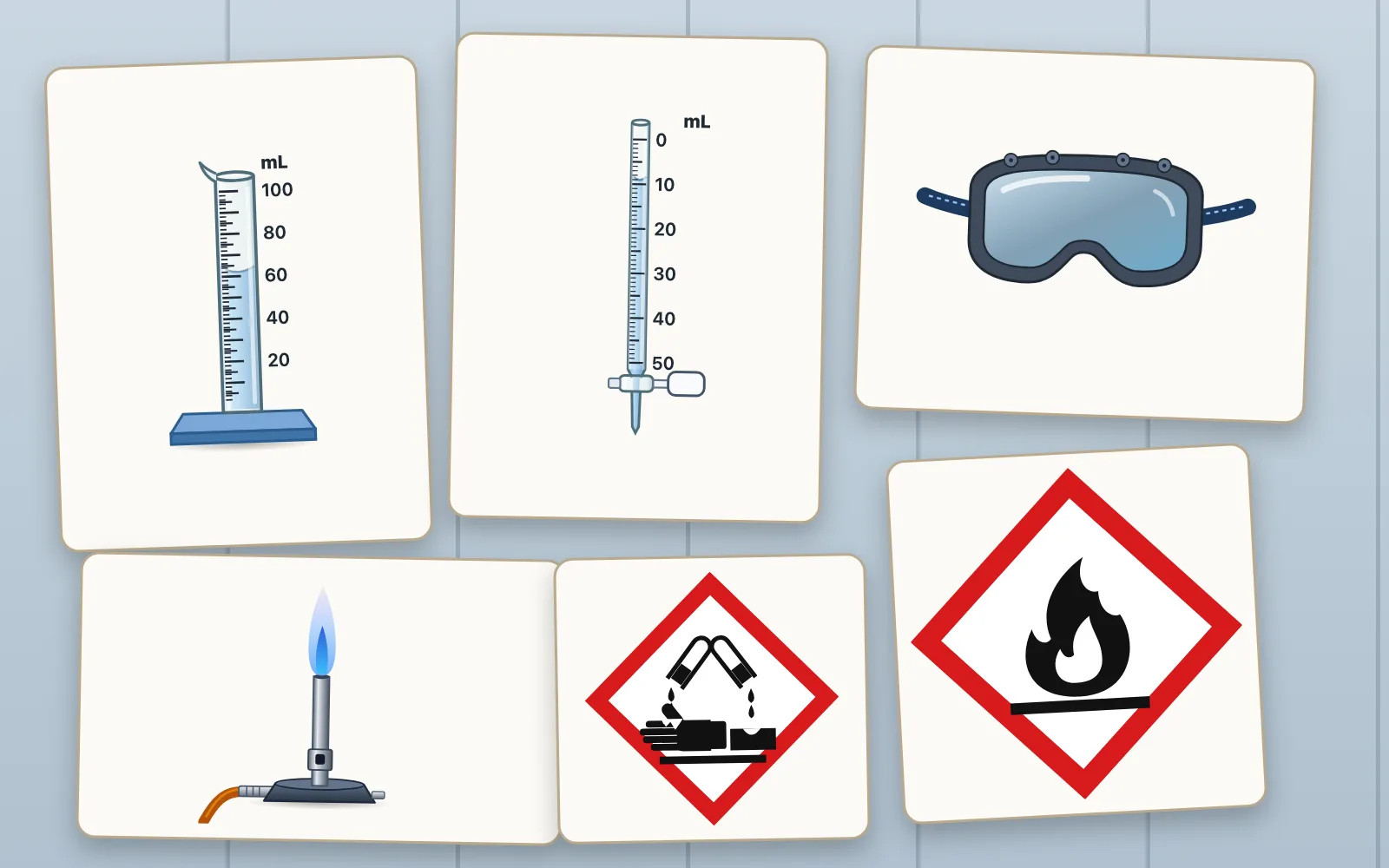 Practice
Foundations: name lab tools from drawings, pick each tool's job, choose safety gear for a lab job and read the GHS hazard signs.
Launch Lab Tools Locker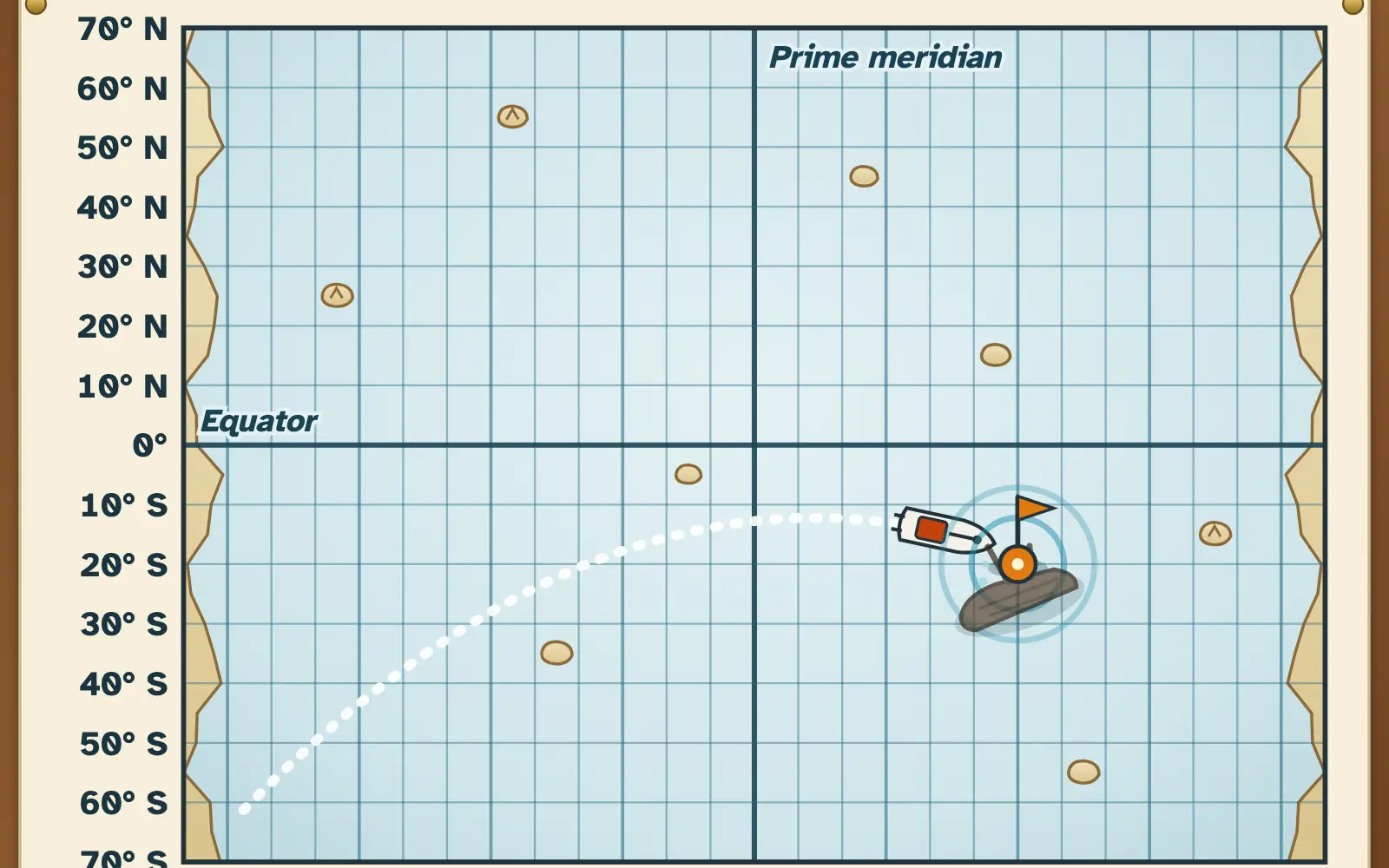 Practice
Navigate a salvage crew: read latitude and longitude off the chart, drop beacons on wrecks and read degrees and minutes.
Launch Shipwreck Salvage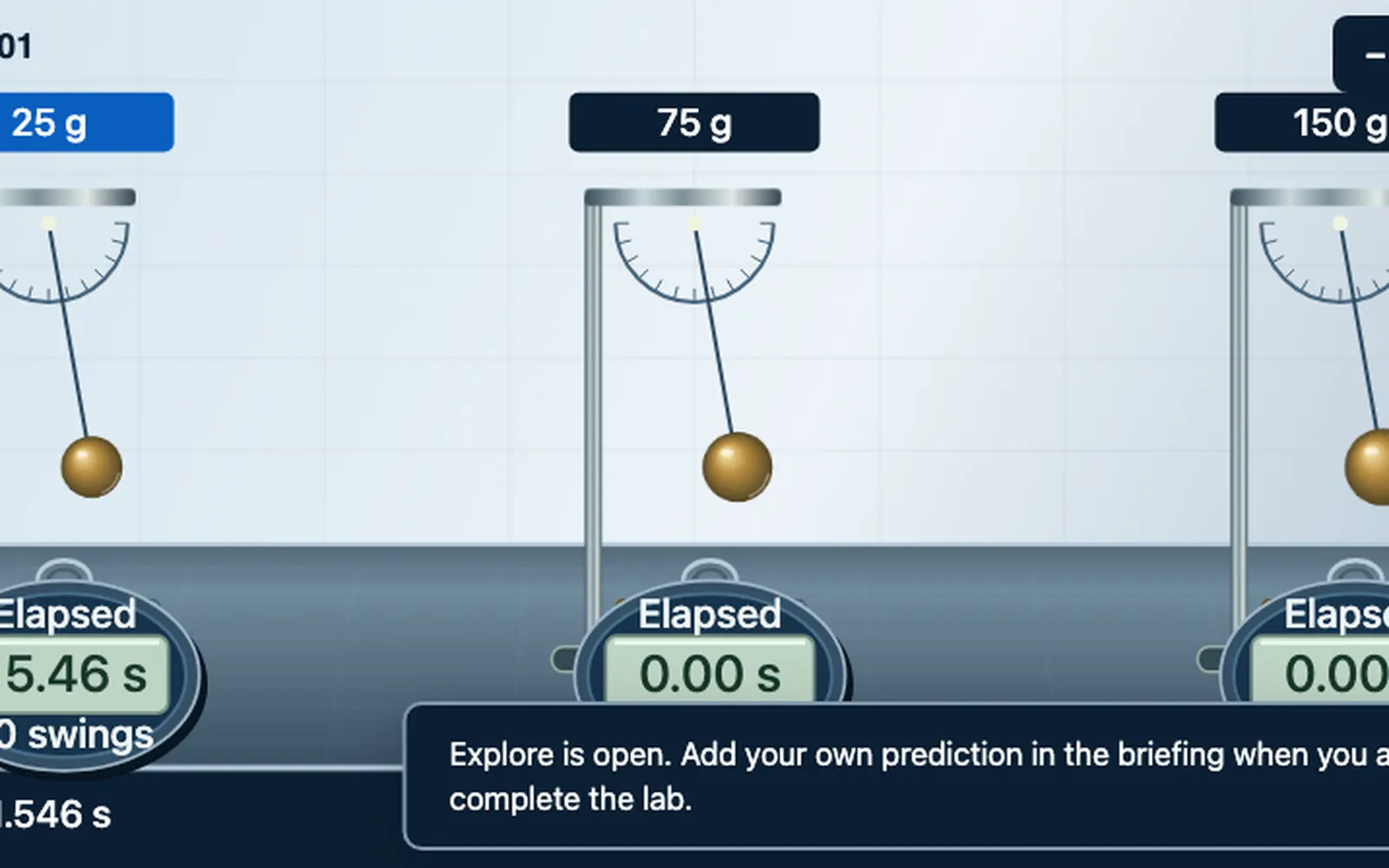 Lab
Design fair tests at six science stations. Find hidden variables, collect repeated measurements, and explain your evidence.
Launch Fair Test Lab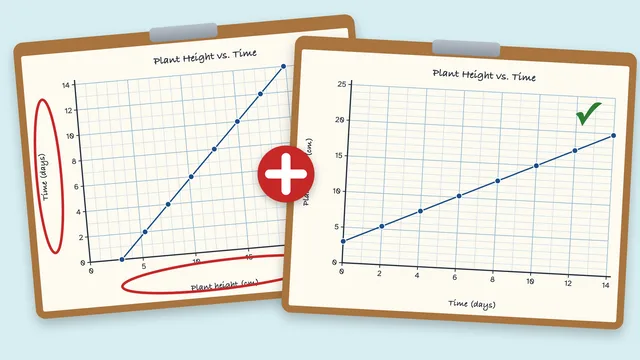 Practice
Run the Graph Clinic: diagnose and fix sick lab-report graphs, then read them: values, slopes, trends and outliers. 10-question runs.
Launch Graph Doctor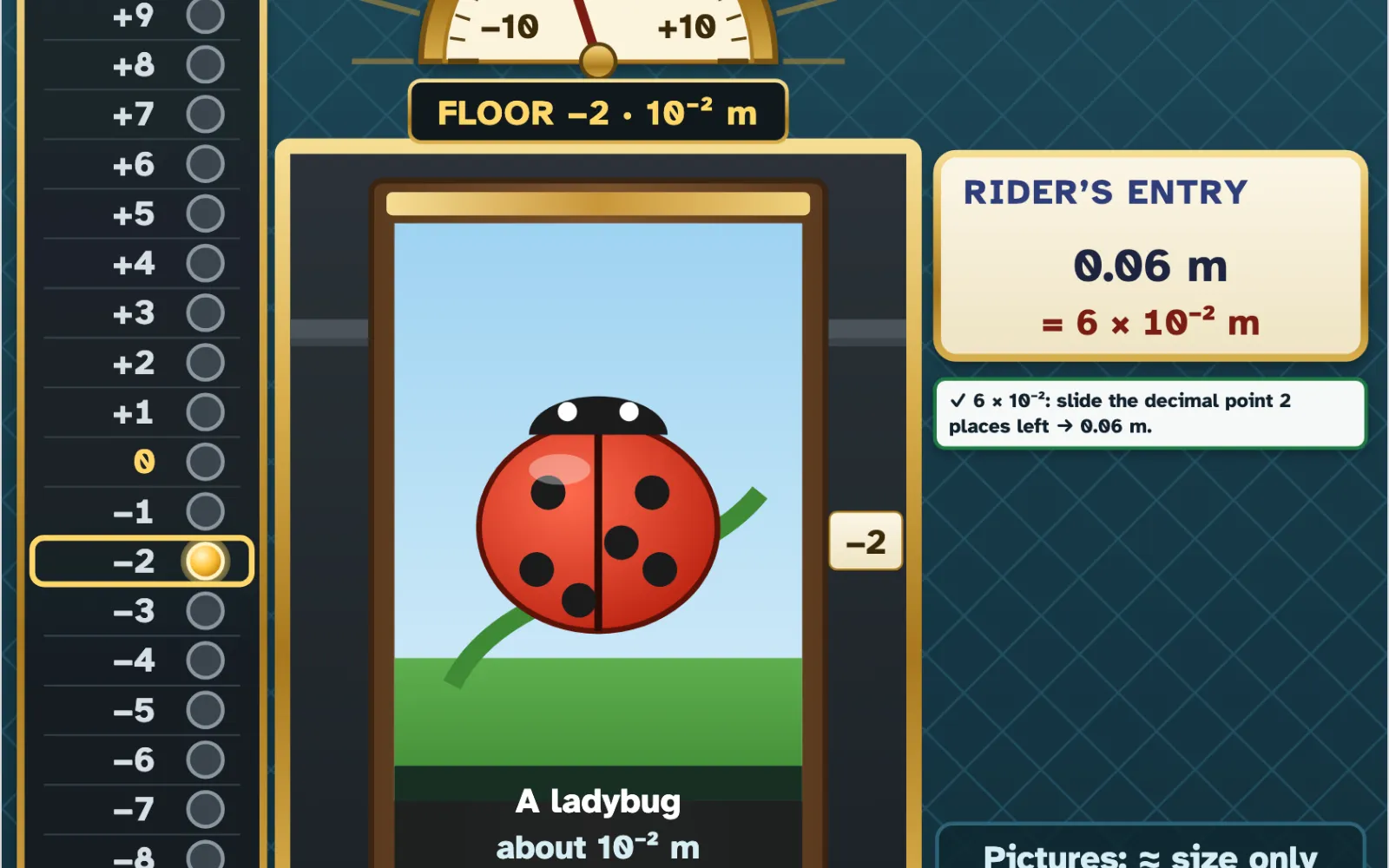 Practice
Run the Scale Tower elevator, one floor per power of ten: write values in scientific notation, read decimals, (AP) multiply and divide.
Launch Powers of Ten Elevator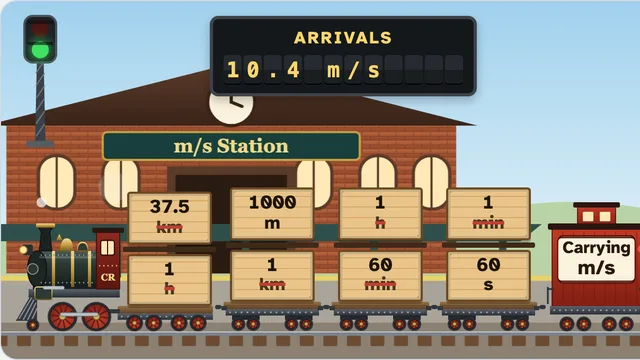 Practice
Dispatch trains at the rail yard: couple conversion-factor cars so units cancel, then deliver the amount with the right sig figs.
Launch Conversion Railroad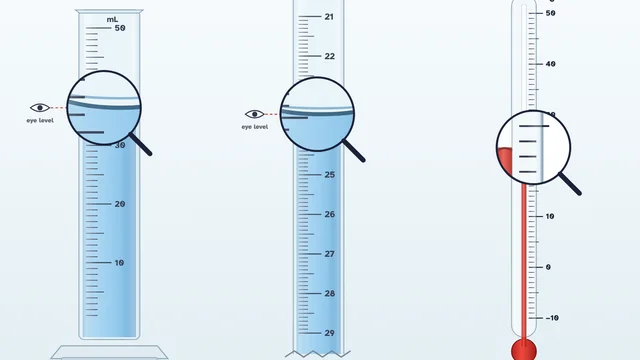 Practice
Run the lab's measuring desk: read cylinders, burets, rulers, thermometers and balances to the right digit. 10-question runs.
Launch Read the Glassware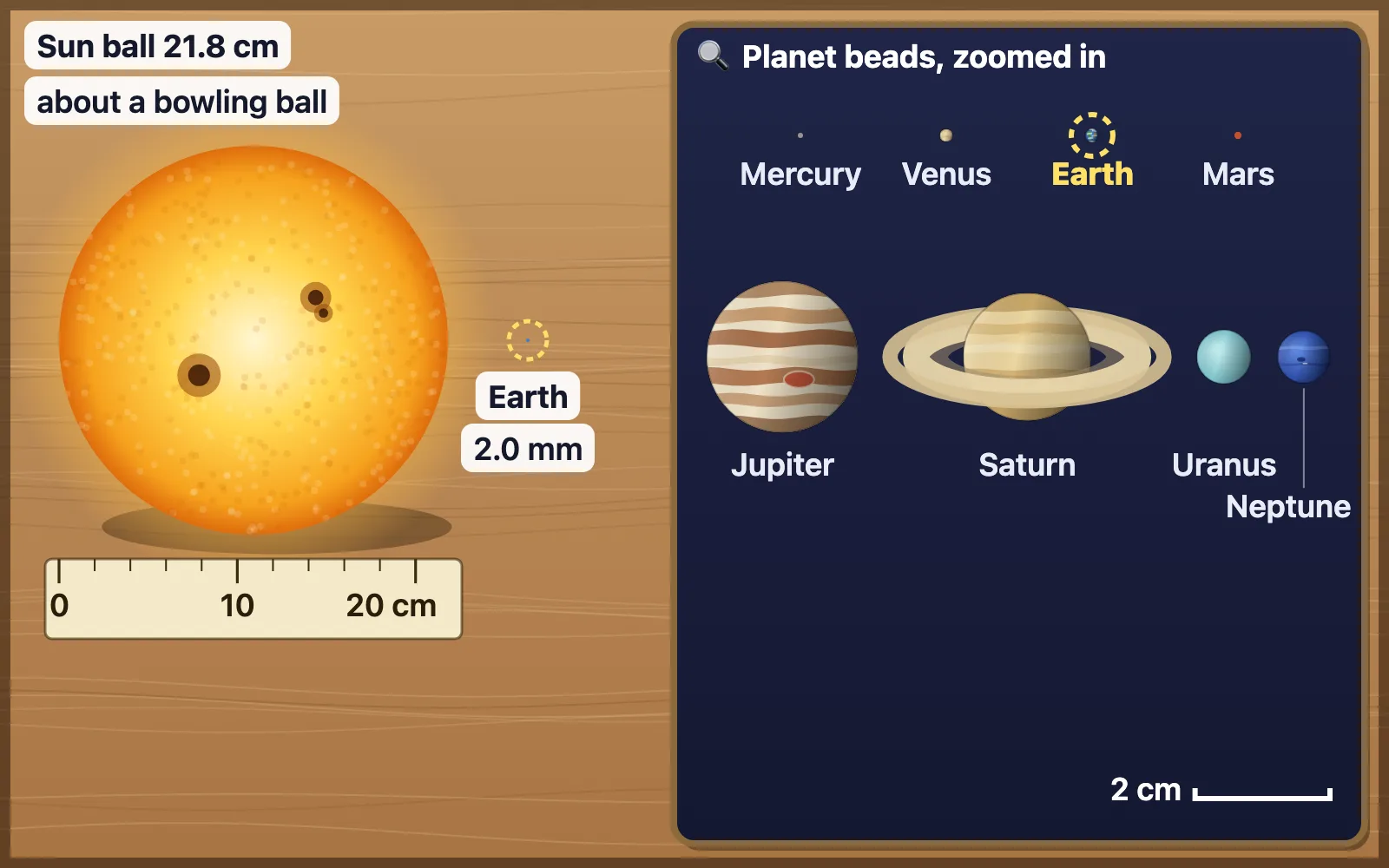 Lab
Shrink Earth to a 2 mm bead and build the solar system to scale: see how big the Sun is and why Neptune won't fit in a classroom.
Launch Solar System Scale Builder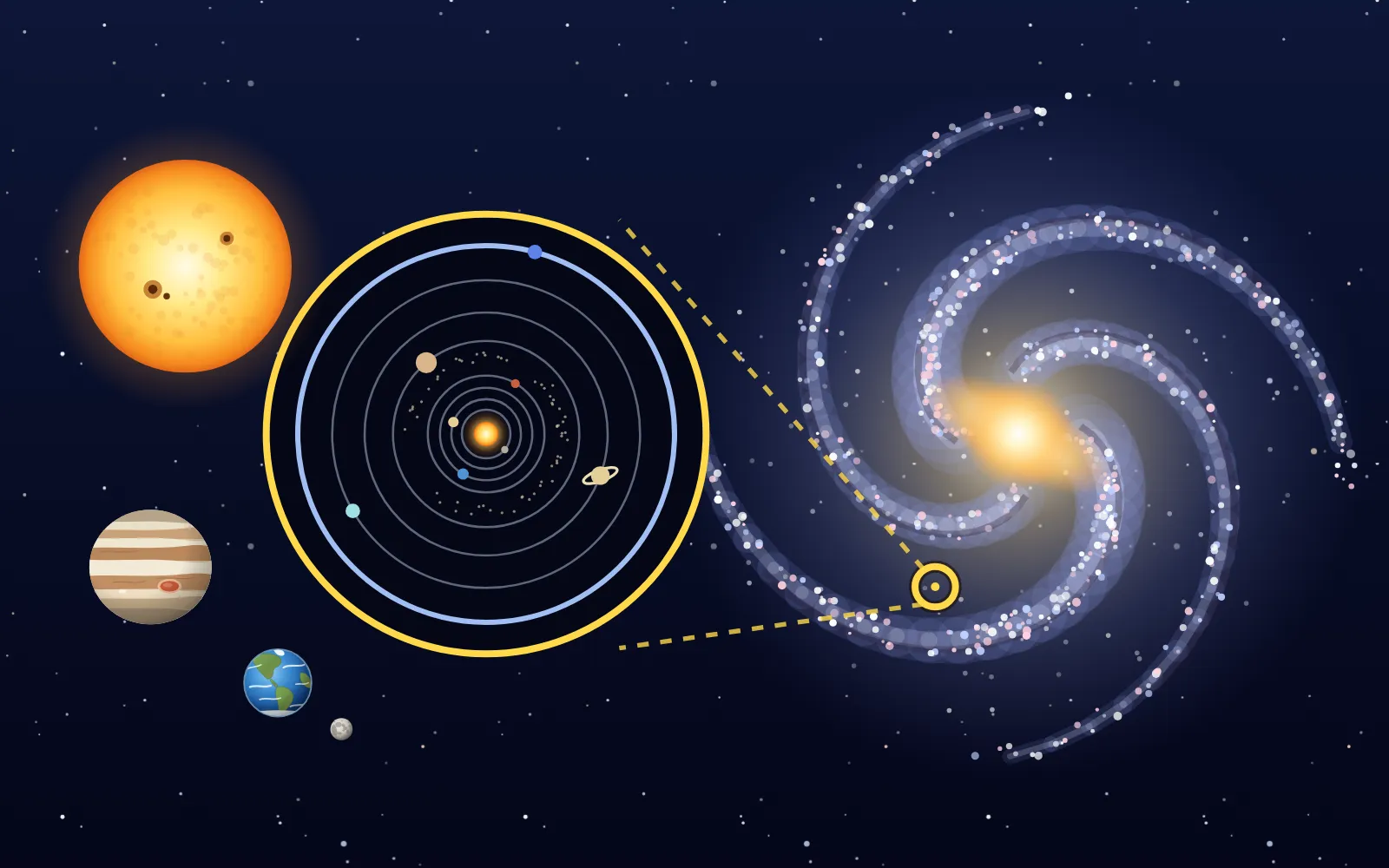 Practice
Sort the Moon to the Milky Way by size, sort trips by distance, and see how mass and gravity hold moons, planets and galaxies together.
Launch Scale of Space Sort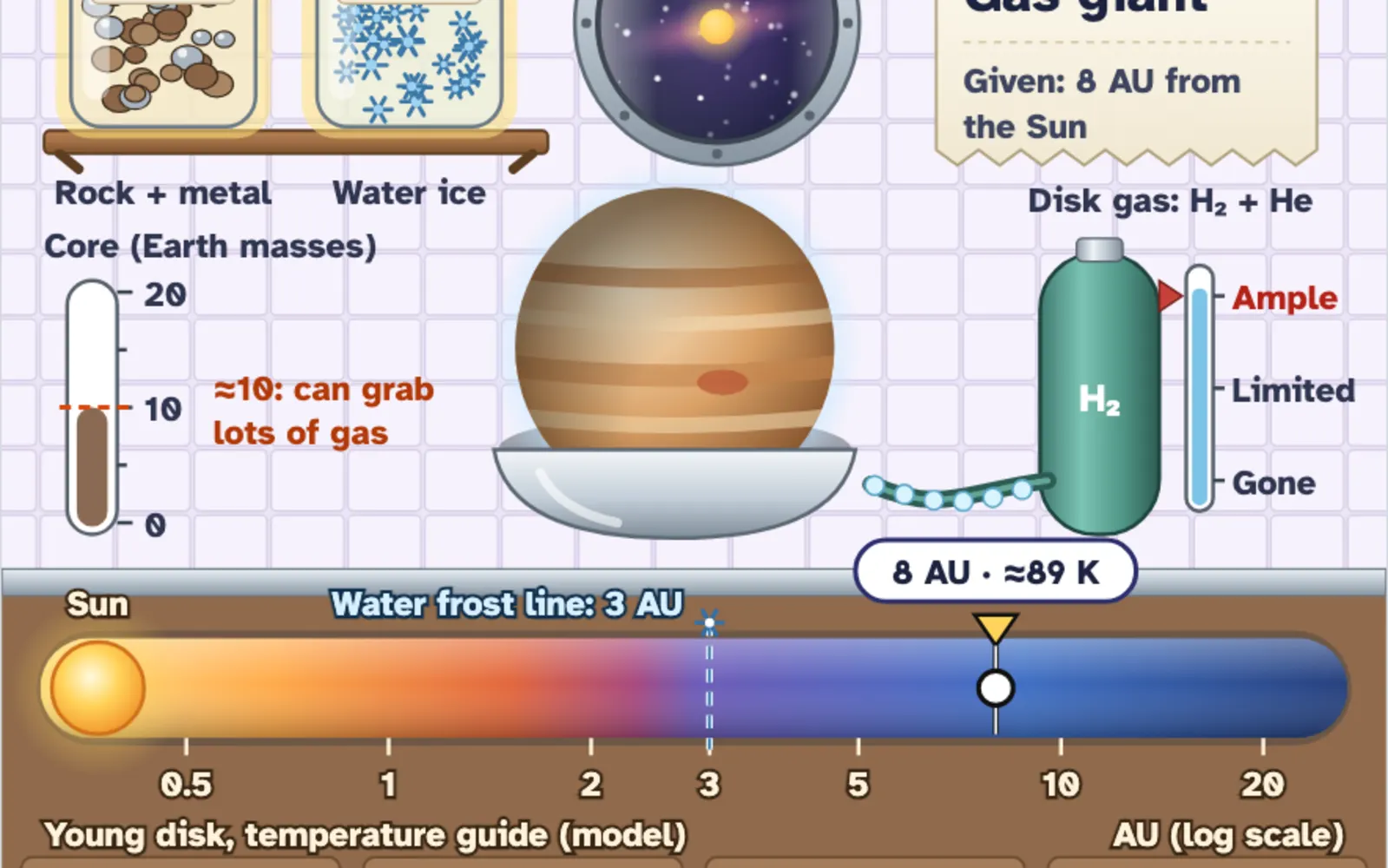 Practice
Cook planets from the young solar system: pick the spot by the frost line, the local solids, the core size and the disk gas.
Launch Planet Recipe Kitchen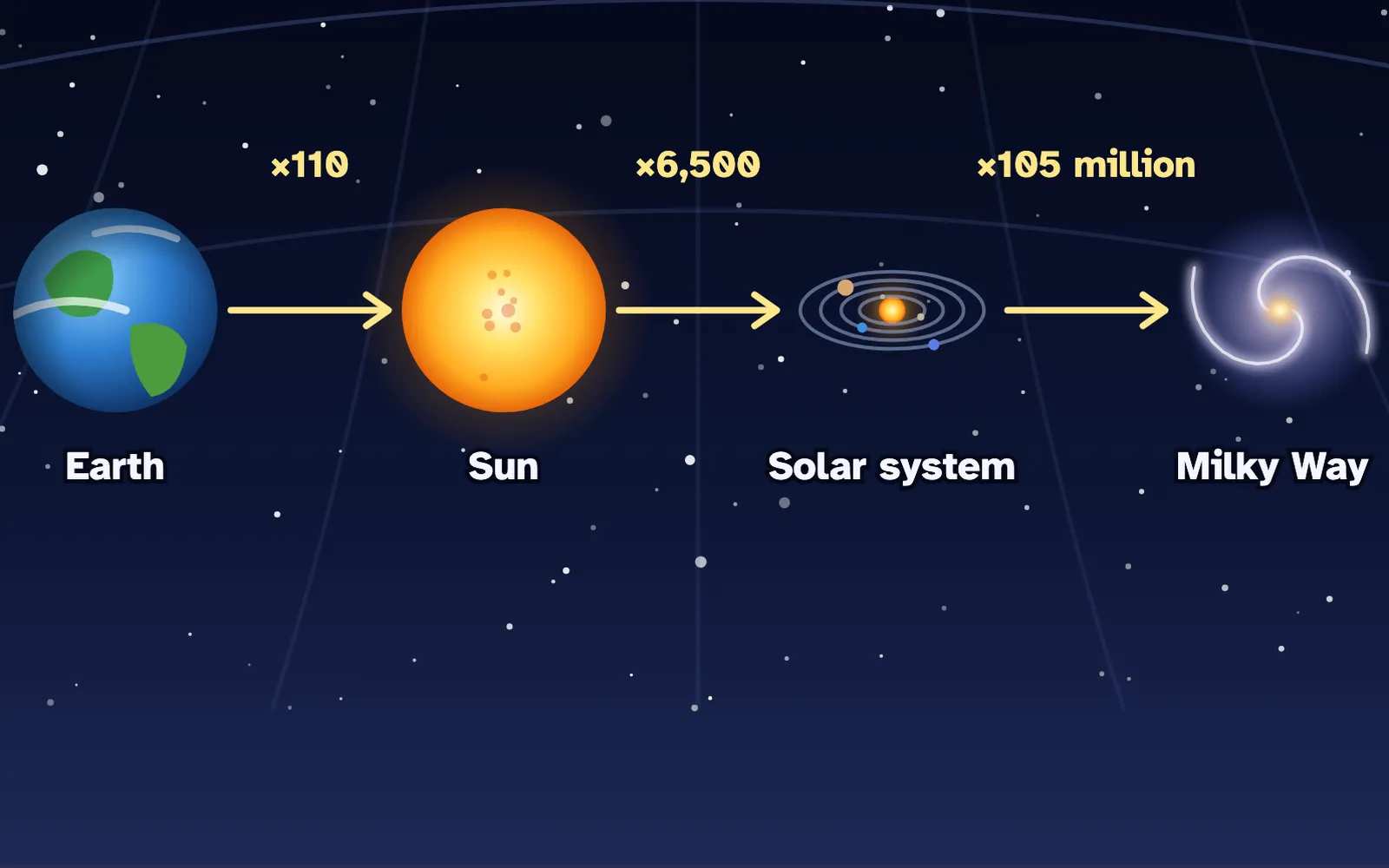 Practice
Run the planetarium booth: sort the Moon to the observable universe by size or distance and time light from the Moon to Andromeda.
Launch Cosmic Zoom Sort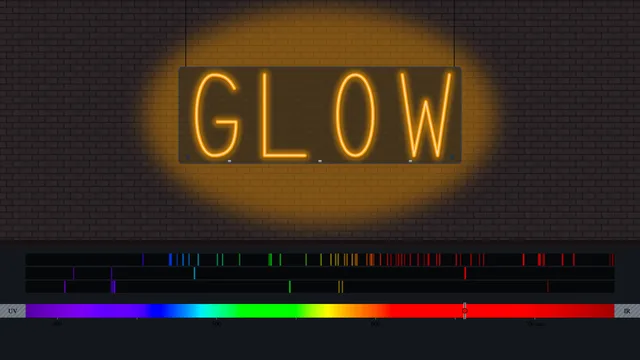 Practice
Run a glowing-sign shop: drop hydrogen's electron to make each colour, land photons on the spectrum and identify gases by their lines.
Launch Neon Sign Shop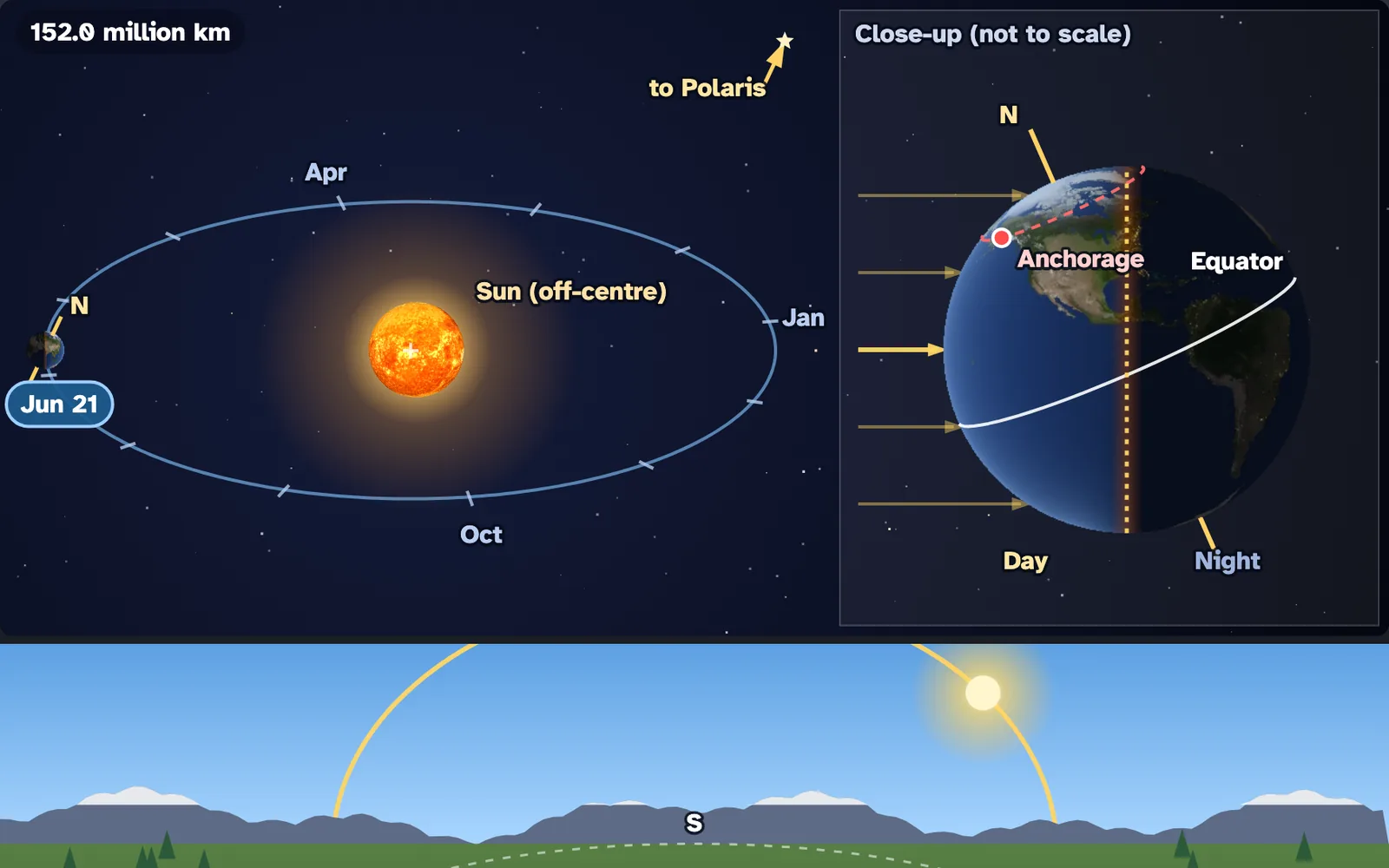 Practice
Film the Sun: set Earth on its orbit, read the tilt, and predict seasons, noon Sun angles and day lengths. 10-question runs.
Launch Seasons Studio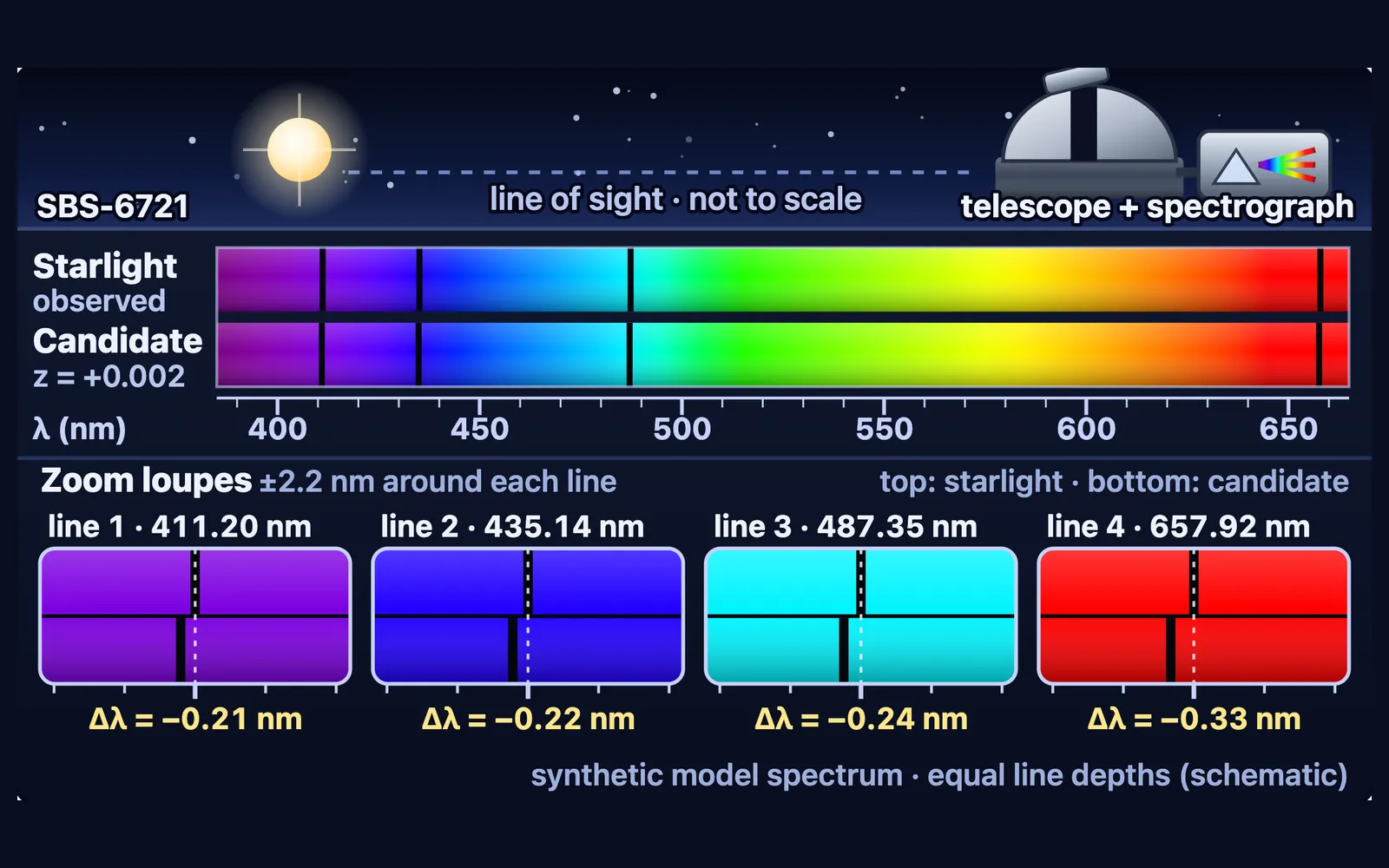 Practice
Read the dark-line barcode in starlight: match the element, line it up with the shift z, and tell if the star moves toward us or away.
Launch Starlight Barcode Scanner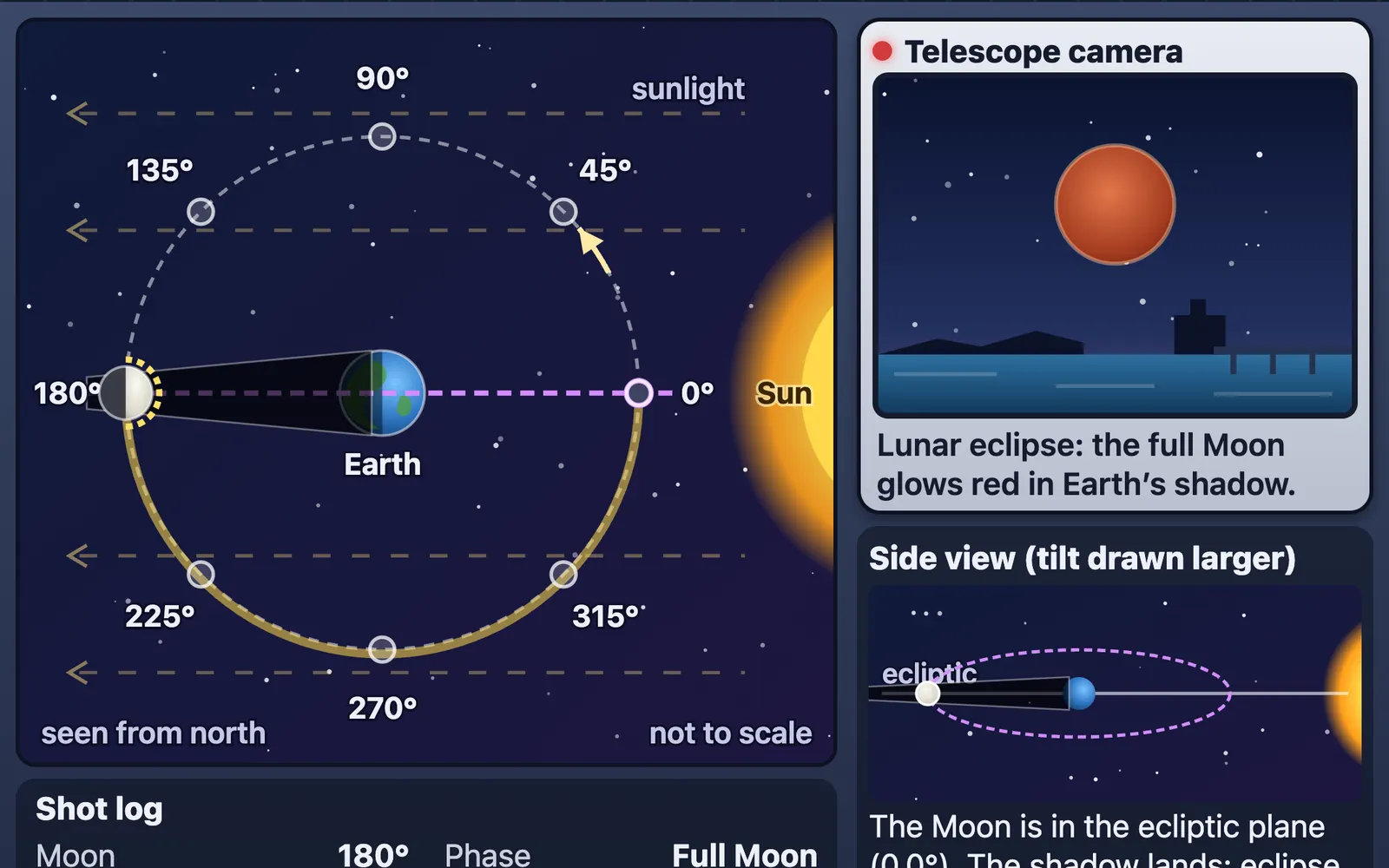 Practice
Put the Moon in the right spot on its orbit for each photo: a phase, a solar or lunar eclipse, or spring and neap tides.
Launch Moon Phase Photographer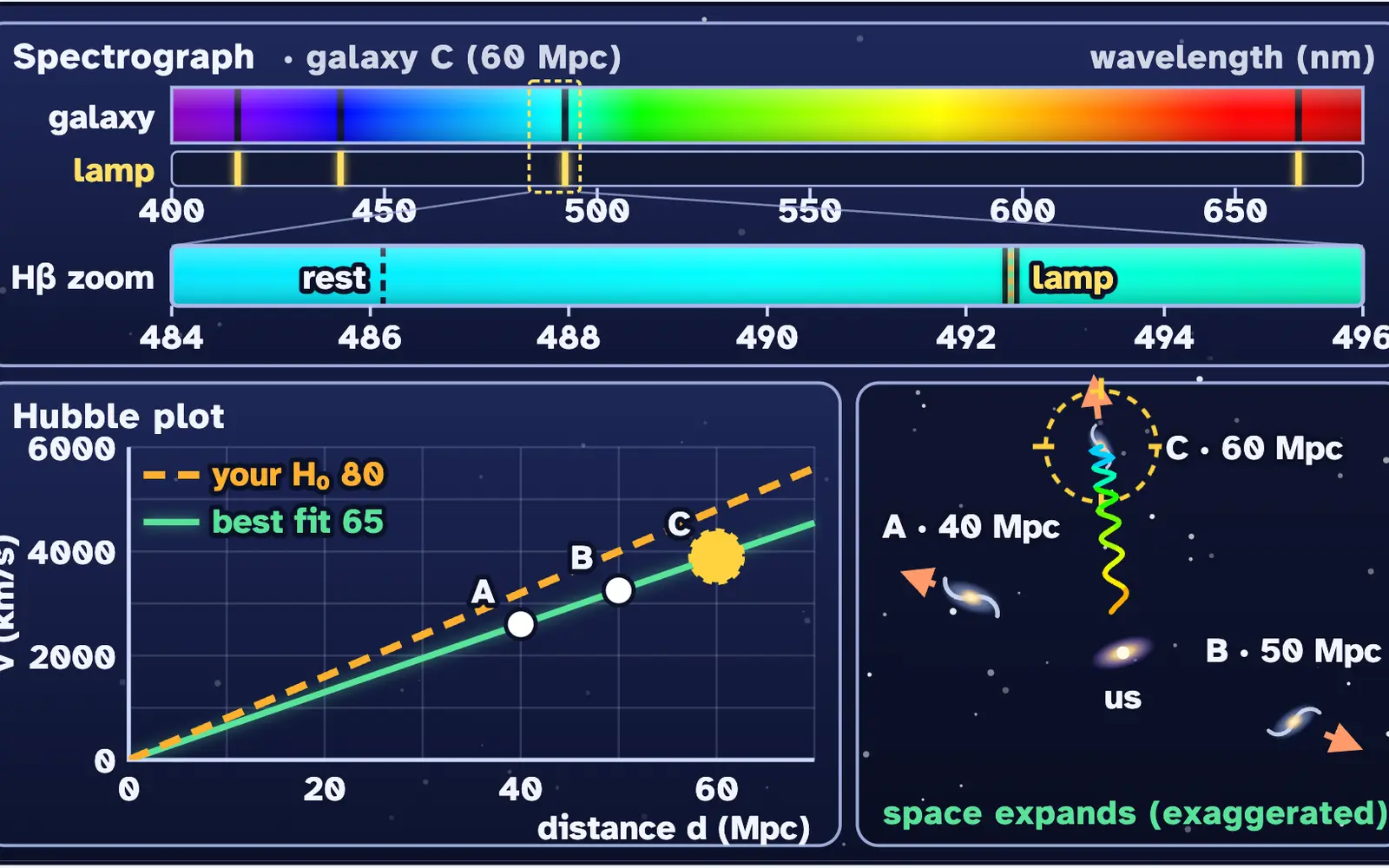 Practice
Line up a galaxy's redshifted hydrogen lines, turn z into a recession speed, and fit the Hubble slope through a velocity–distance plot.
Launch Galaxy Speed Trap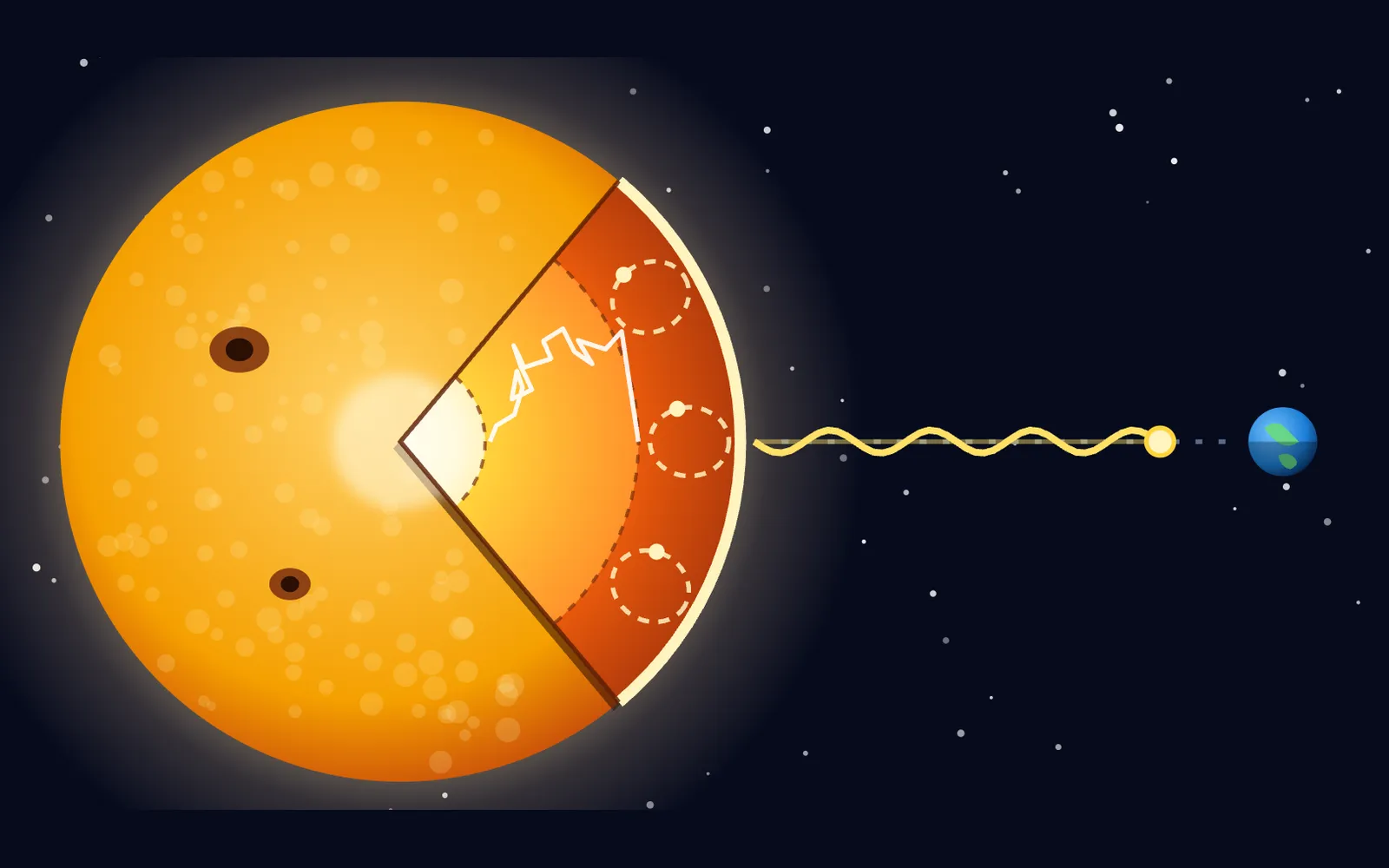 Practice
Work Solar Dispatch: route energy from the Sun's core to Earth, audit fusion, time light's trip and read the real sunspot record
Launch Sun Energy Relay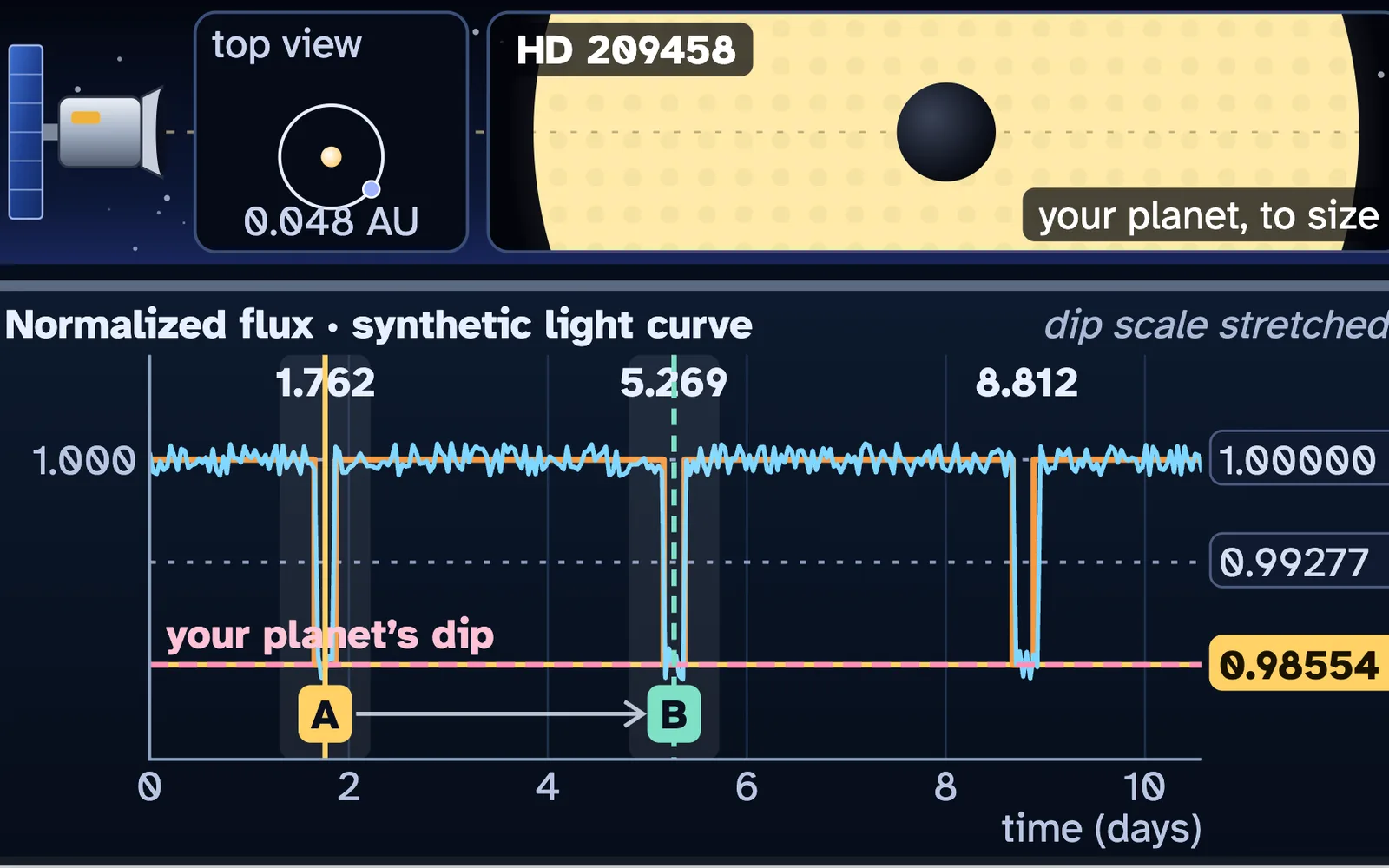 Practice
Run the transit survey desk: mark a star's repeating dips, then work out the planet's size, year, orbit and habitable-zone place.
Launch Transit Hunter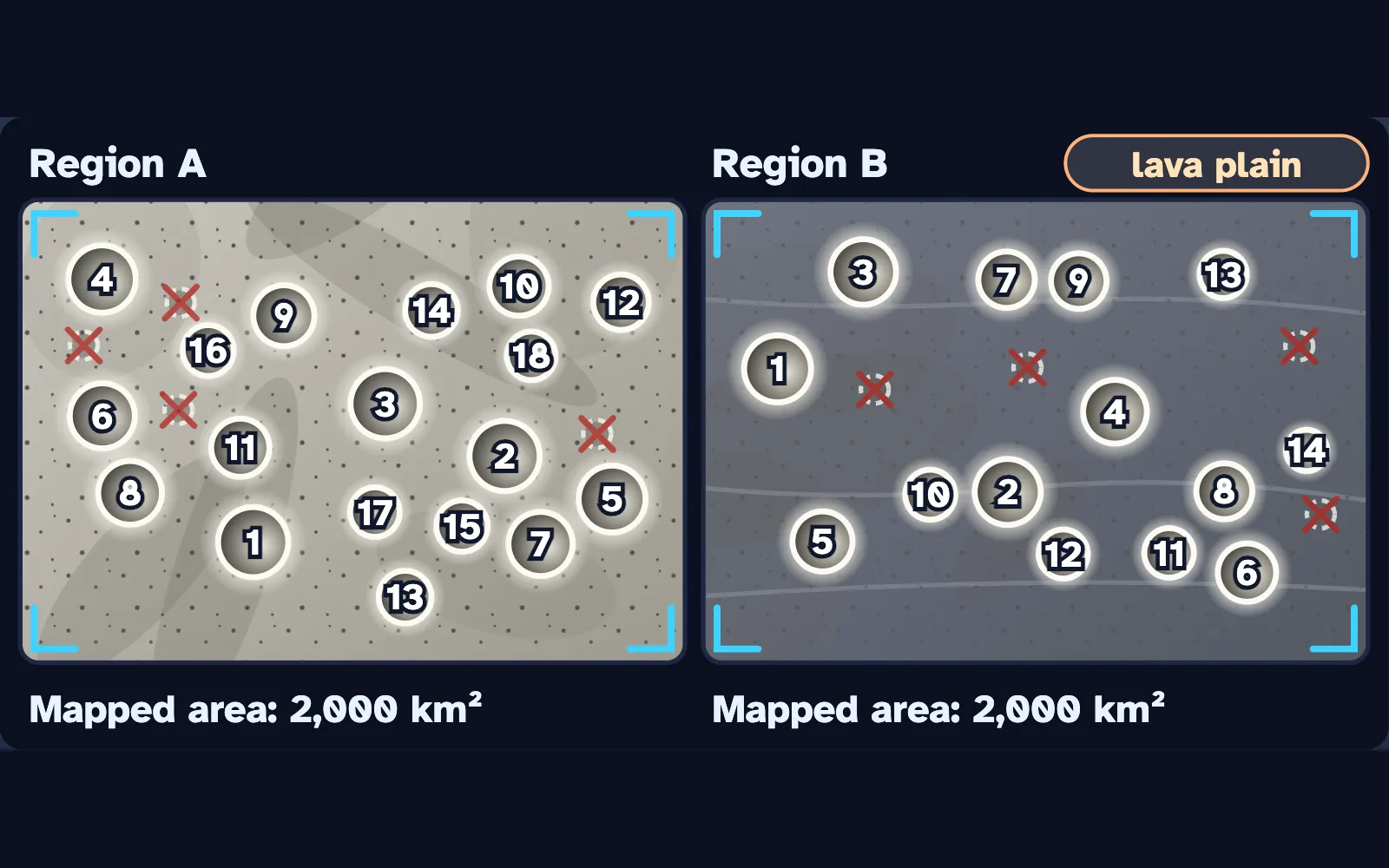 Practice
Count craters in orbital images of the Moon and Mars, compare crater densities and read a lava contact to date surfaces.
Launch Crater Counter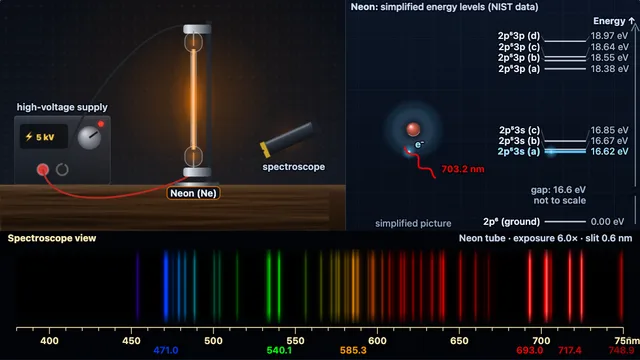 Lab
Make gas tubes, flames and streetlights glow, watch electrons jump between levels, and read line spectra, starlight and redshift.
Launch Atomic Spectra Lab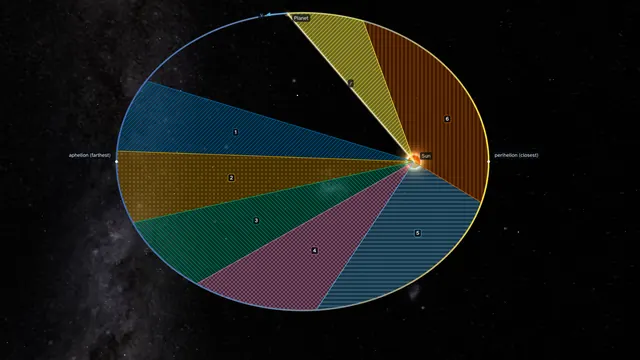 Simulation
Stretch orbits, sweep equal areas, race the planets, and launch probes, then take a test at your level.
Launch Kepler's Laws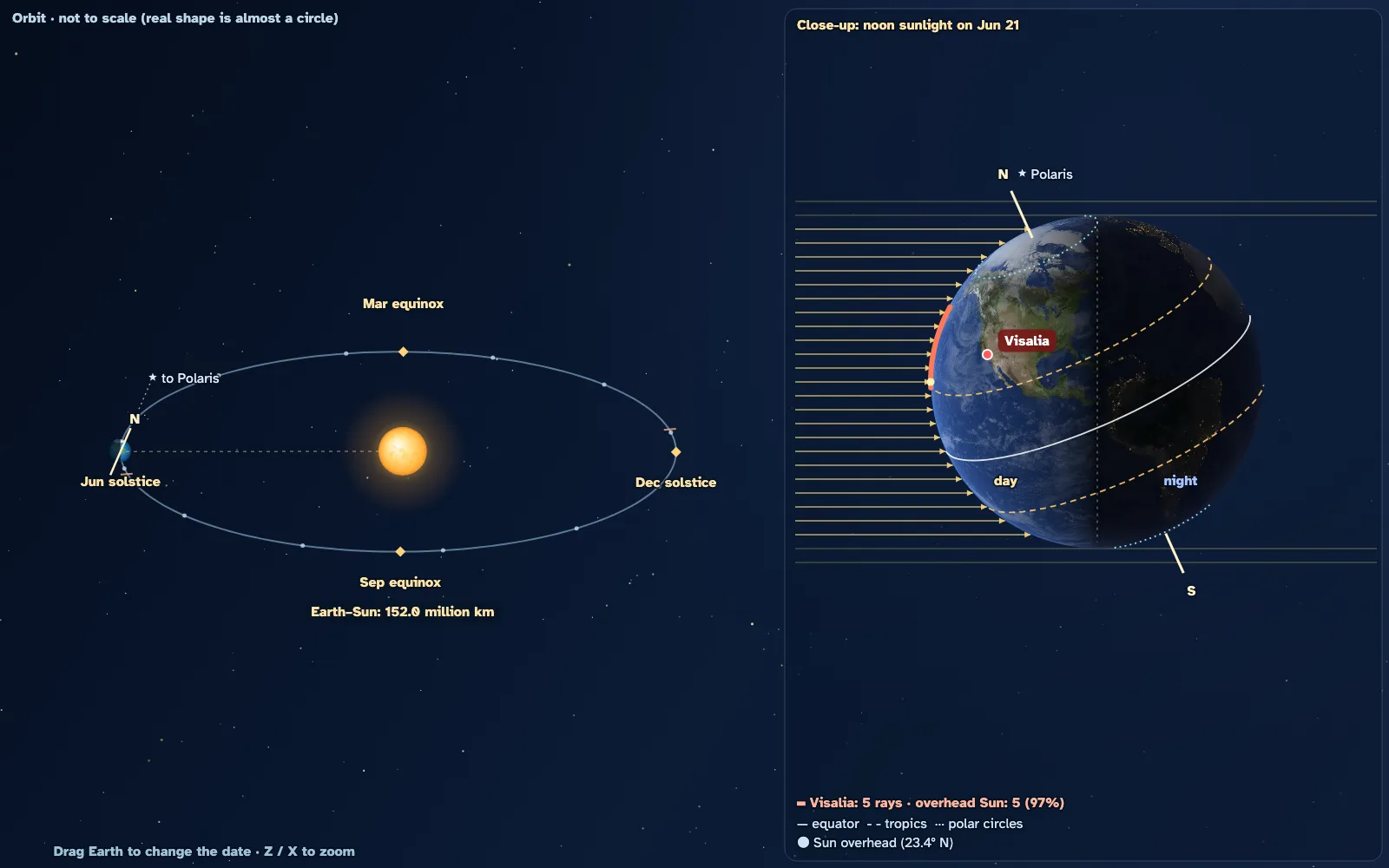 Lab
Tilt Earth, follow the Sun across a schoolyard sky, heat plates under a lamp, then test the closer-to-the-Sun idea with real data.
Launch Seasons & Sunlight Lab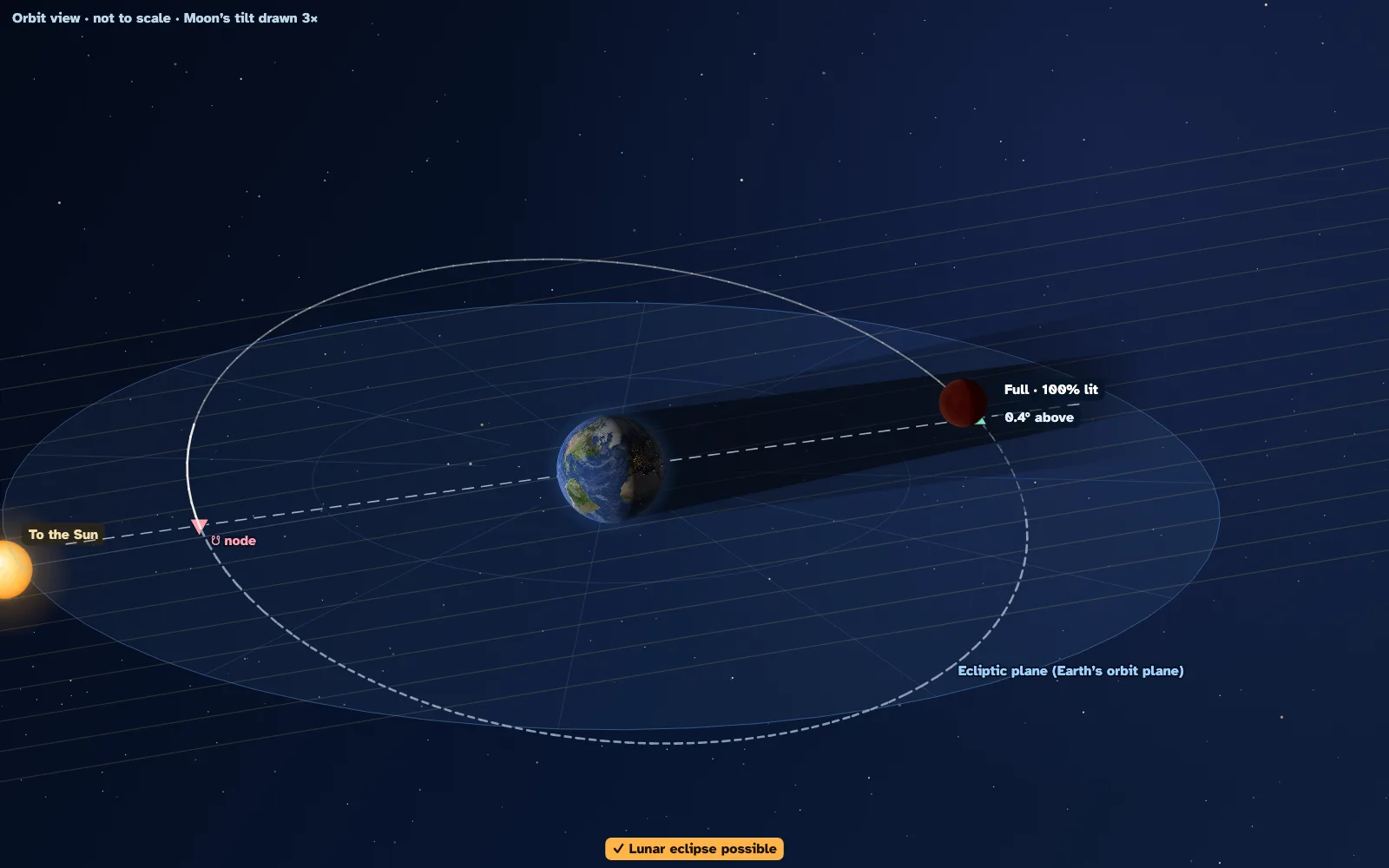 Lab
Move the Moon around Earth to see why it has phases, why its tilted orbit makes eclipses rare, and why tides swing between spring and neap.
Launch Moon Phases, Eclipses & Tides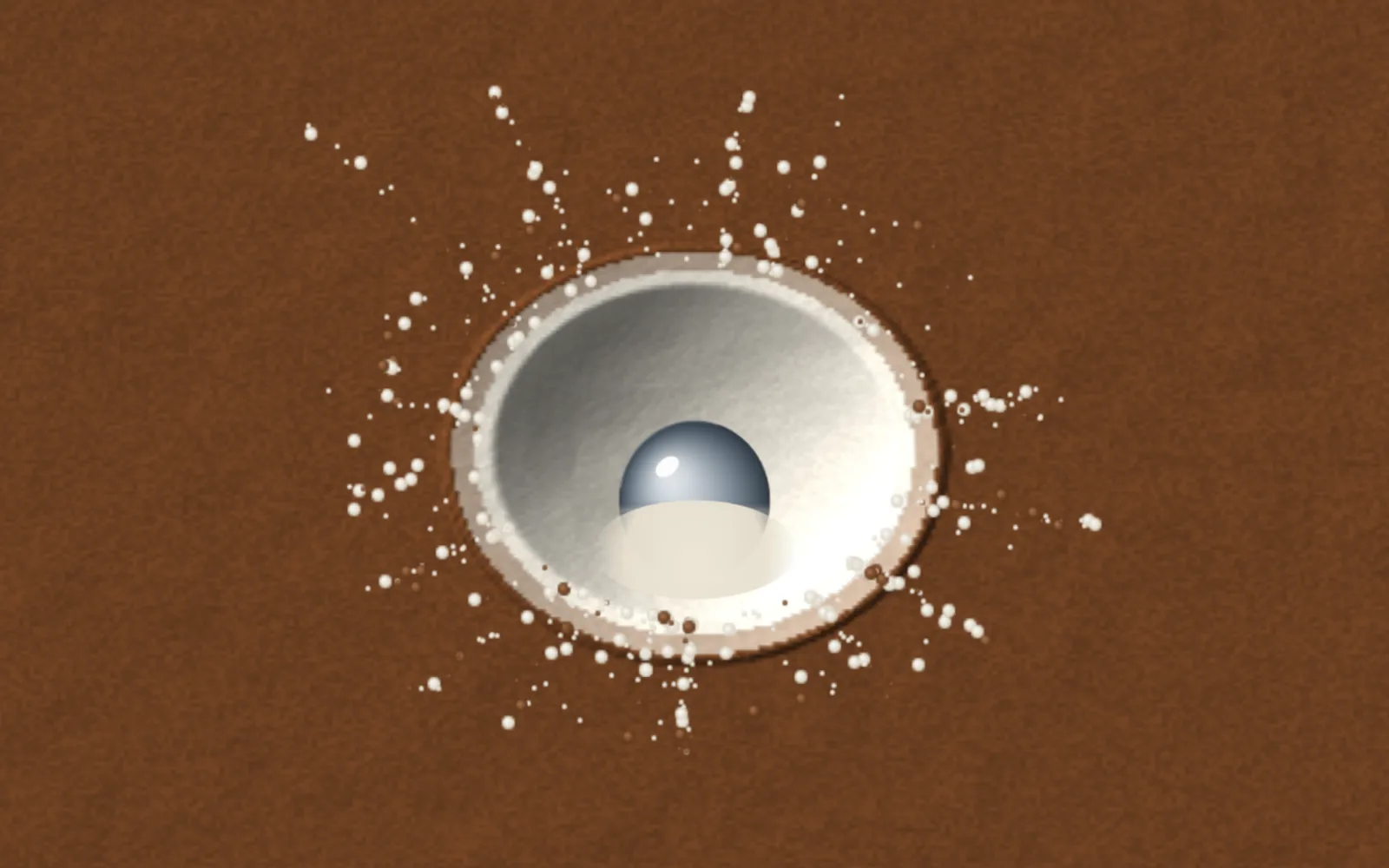 Lab
Drop balls into flour and cocoa, launch asteroids at four worlds, and count craters to find which surfaces are oldest.
Launch Impact Crater Lab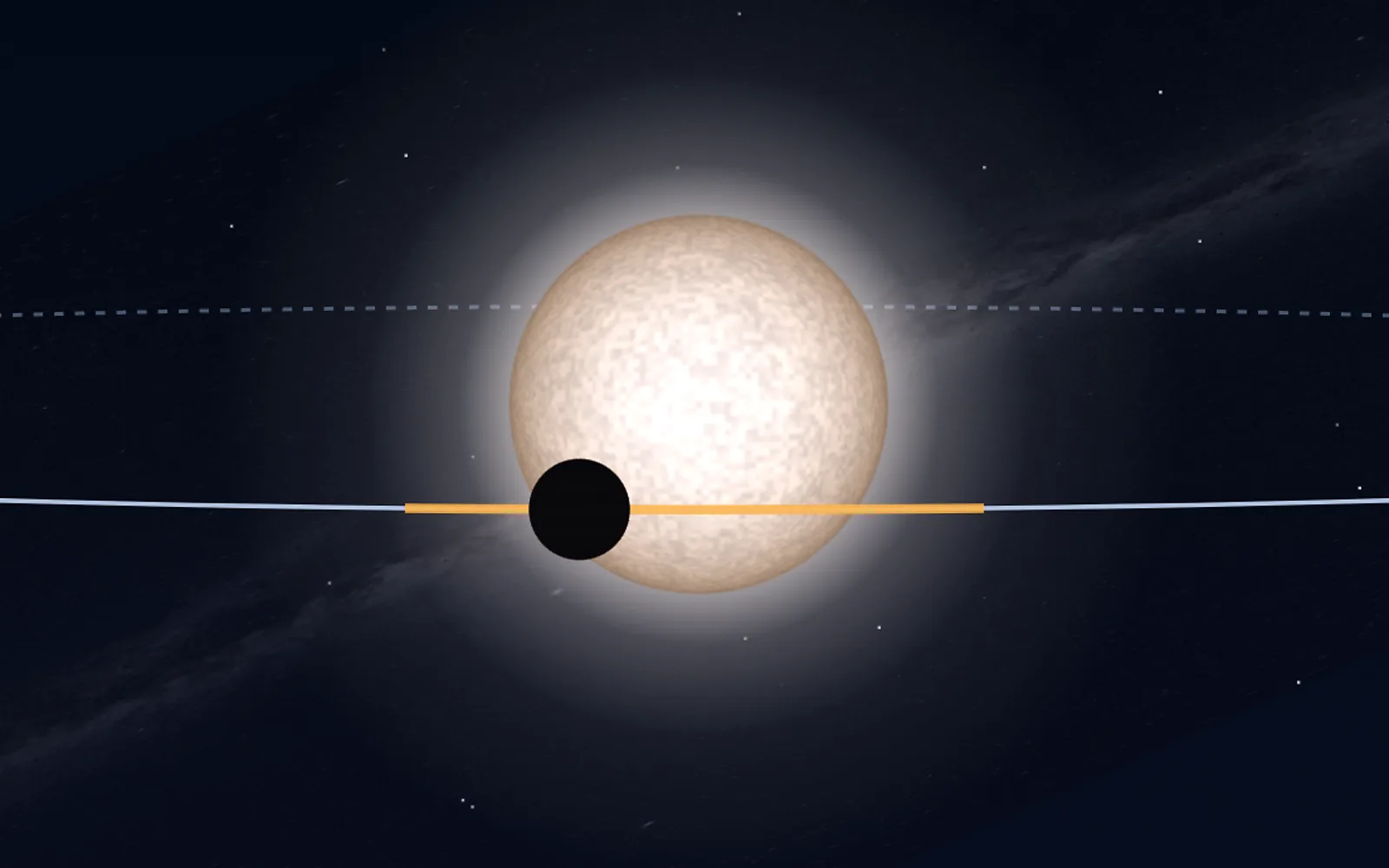 Lab
Hunt planets around real NASA archive stars: transit dips give a planet's size and year, the star's wobble its minimum mass.
Launch Exoplanet Hunter Lab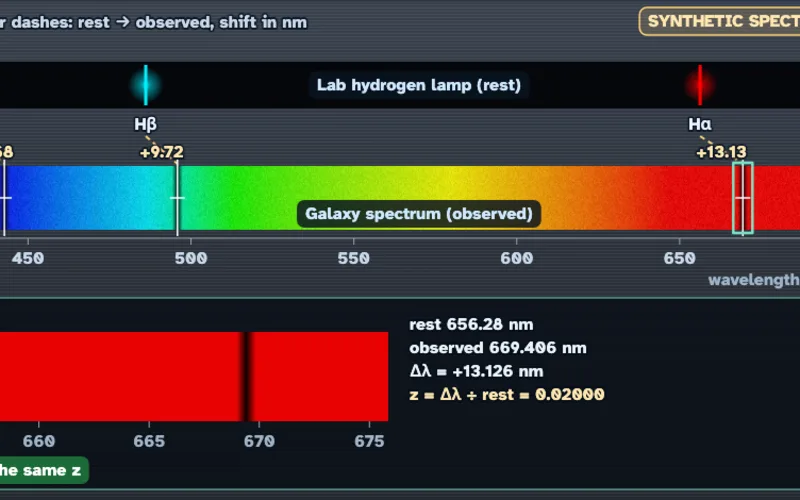 Lab
Measure redshifted galaxy spectra, graph Hubble's original 1929 data, and model how expansion cooled the oldest light.
Launch Big Bang & Galaxies Lab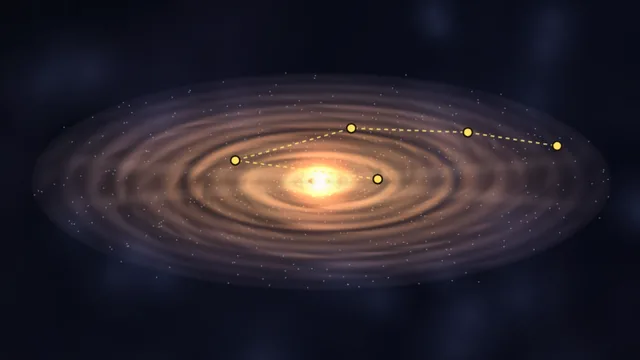 Simulation
Watch a cold nebula collapse into a spinning disk, grow dust into planets, and ignite the Sun, then take a test.
Launch Solar System Formation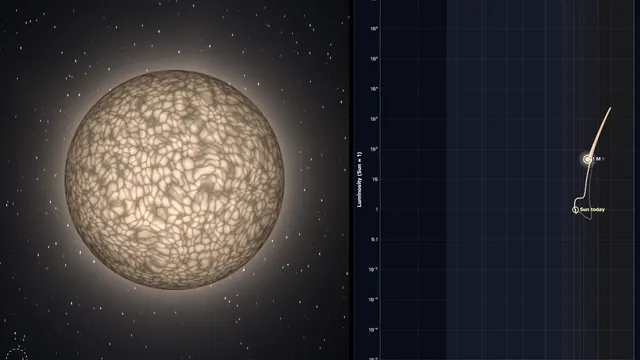 Simulation
Forge a star of any mass and watch it live and die, plot real stars on the H-R diagram, trace where elements come from, and age clusters.
Launch Stellar Life Cycles & the H-R Diagram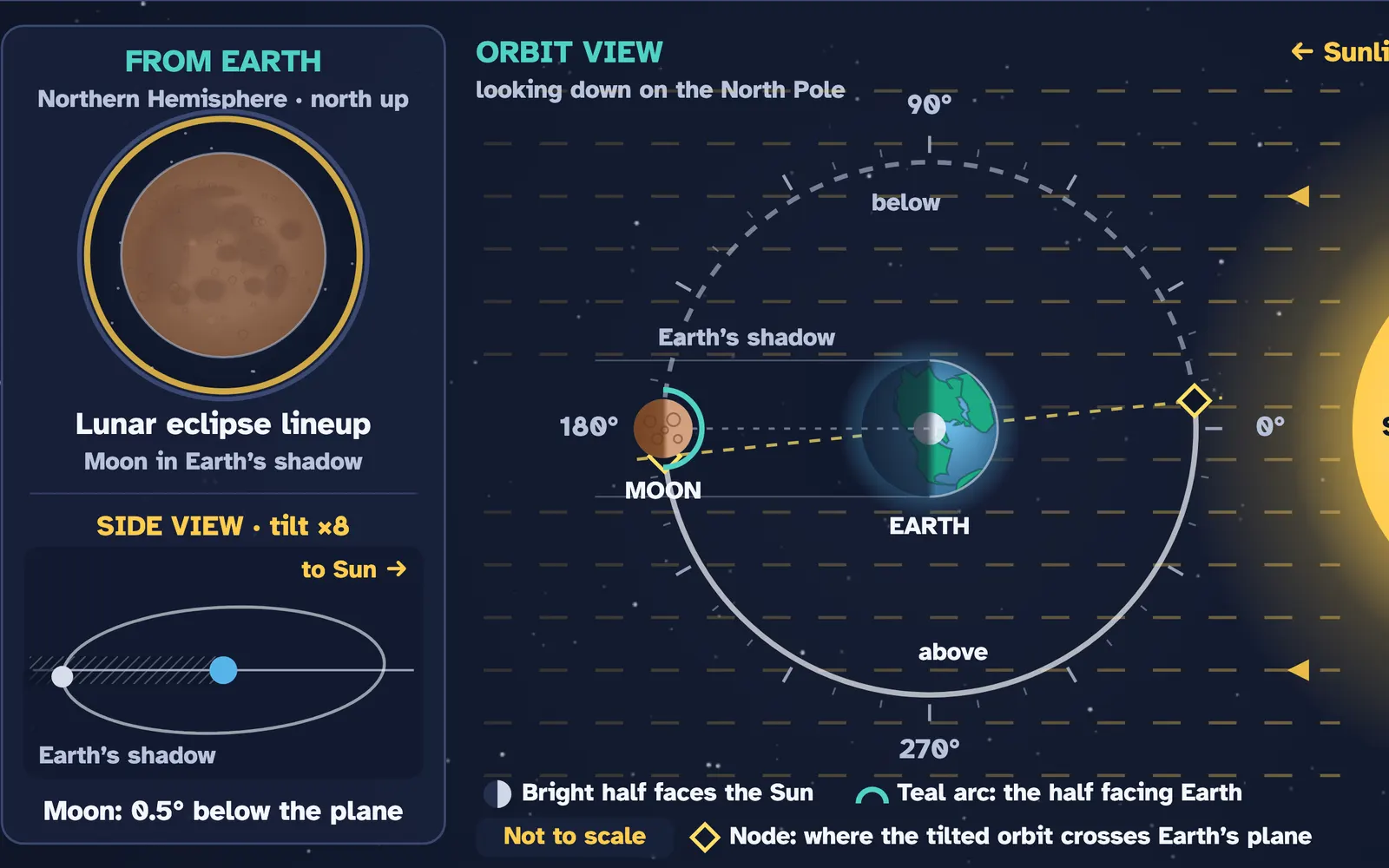 Arcade Game
Steer the Moon around Earth to solve 20 alignment puzzles: match a phase photo, predict days ahead, line up eclipses and tides.
Play Lineup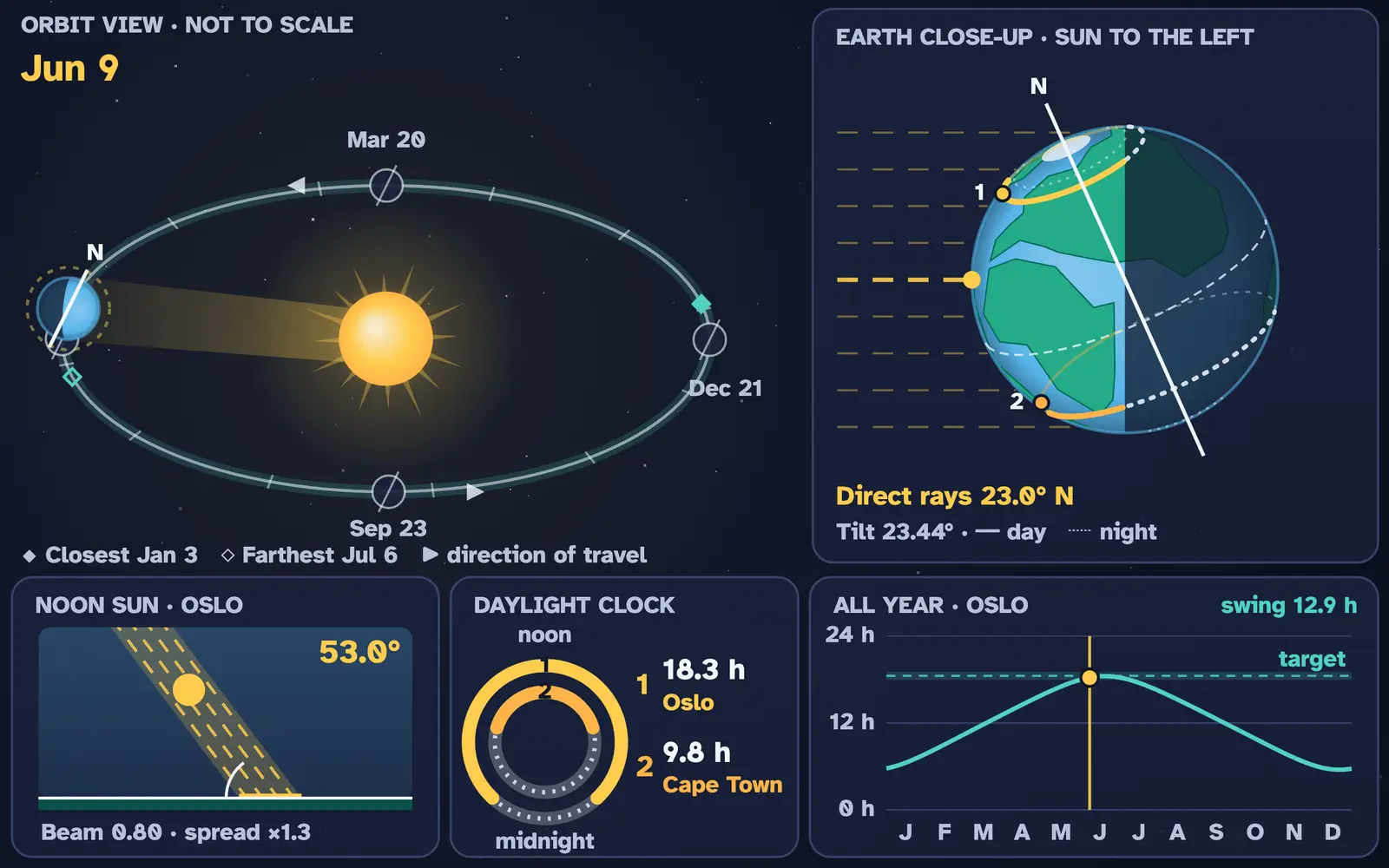 Arcade Game
Spin Earth around the Sun and bend its tilt to hit 18 city missions: midnight Sun, polar night, overhead noon and more.
Play Season Spinner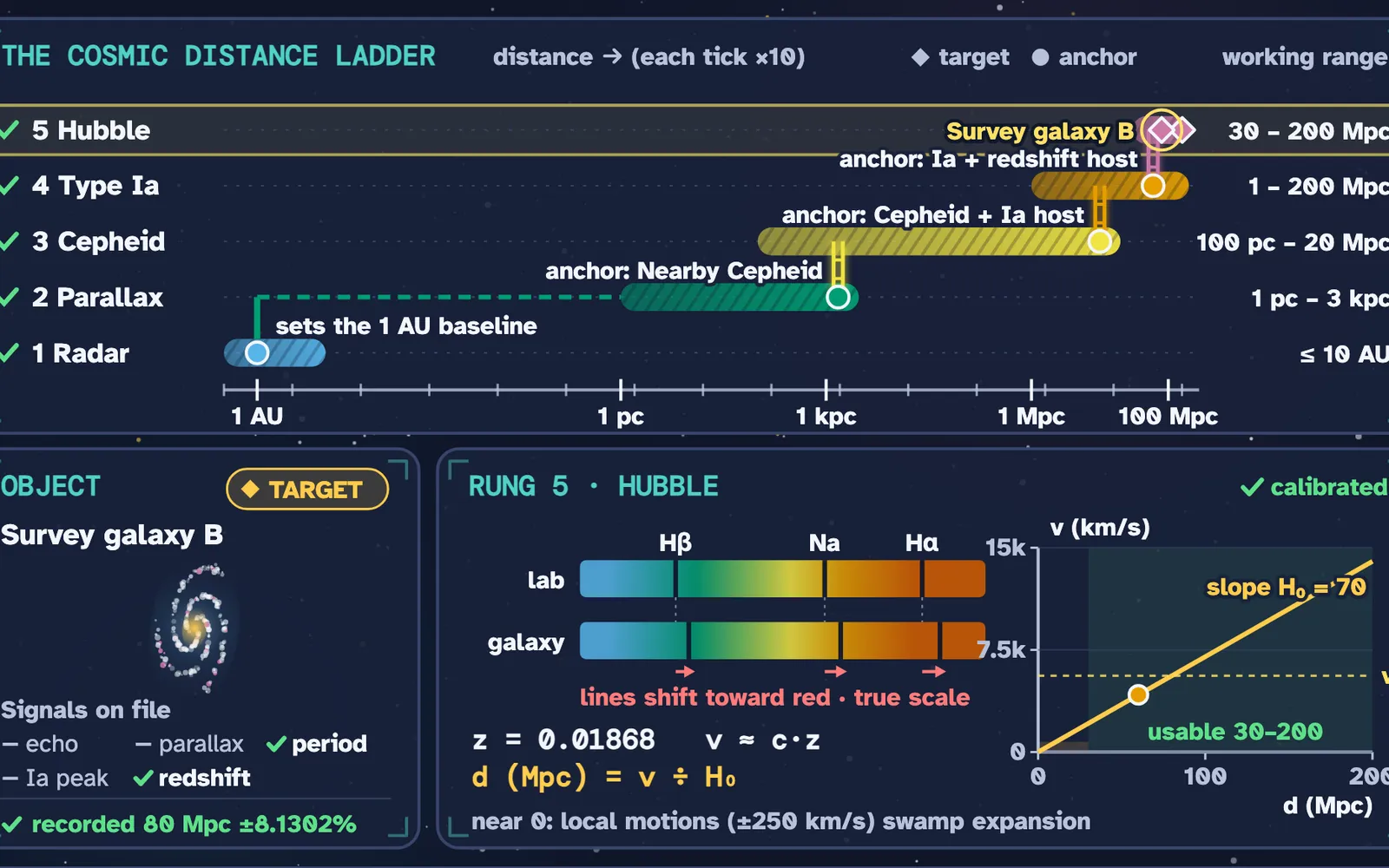 Arcade Game
Chain radar, parallax, Cepheids, Type Ia supernovae and redshift to measure 25 surveys, from Mars to galaxies 160 Mpc away.
Play Distance Ladder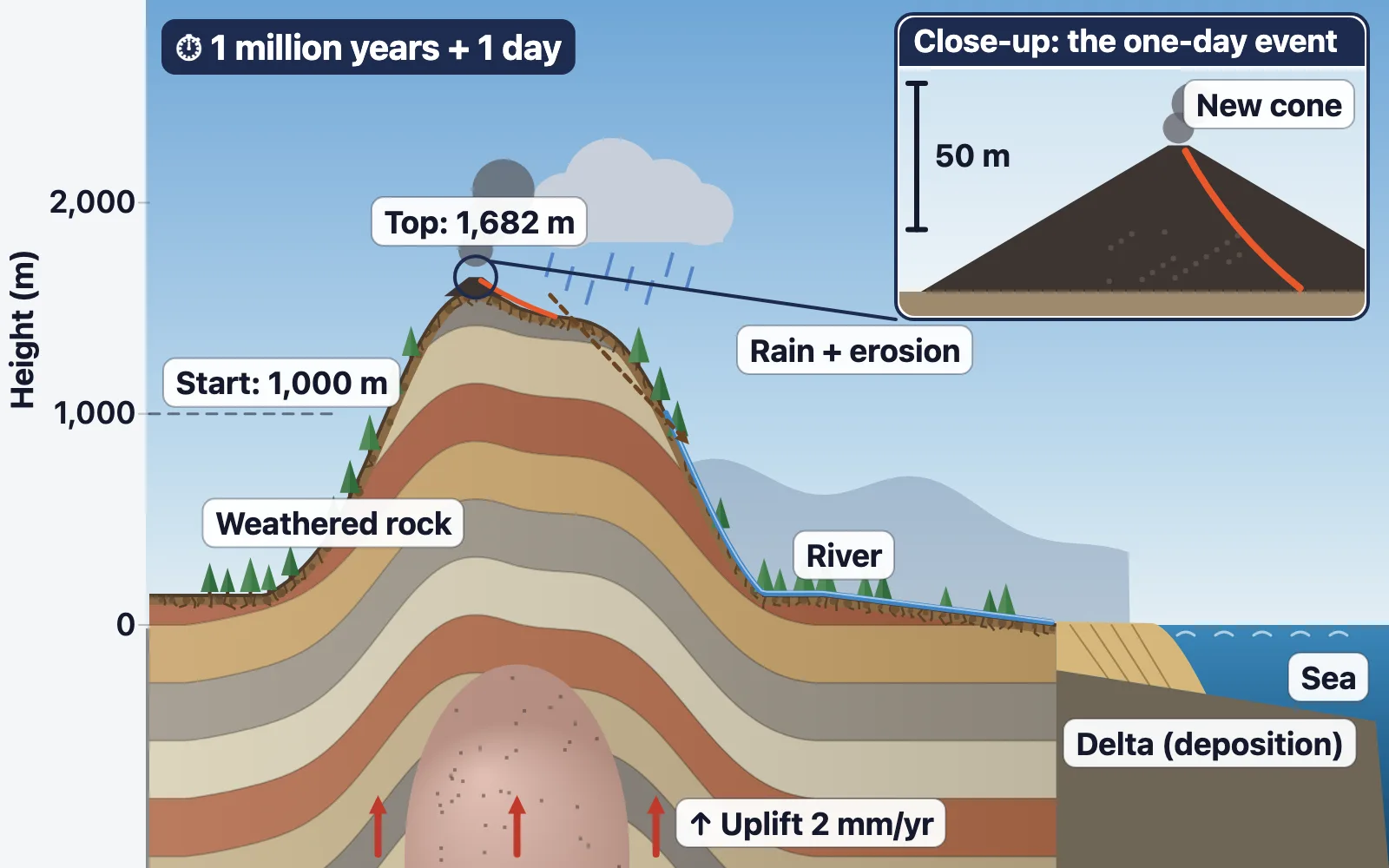 Lab
Run a mountain from 1 year to 10 million years: see slow uplift and erosion add up, then compare a one-day landslide or eruption.
Launch Landscape Time Machine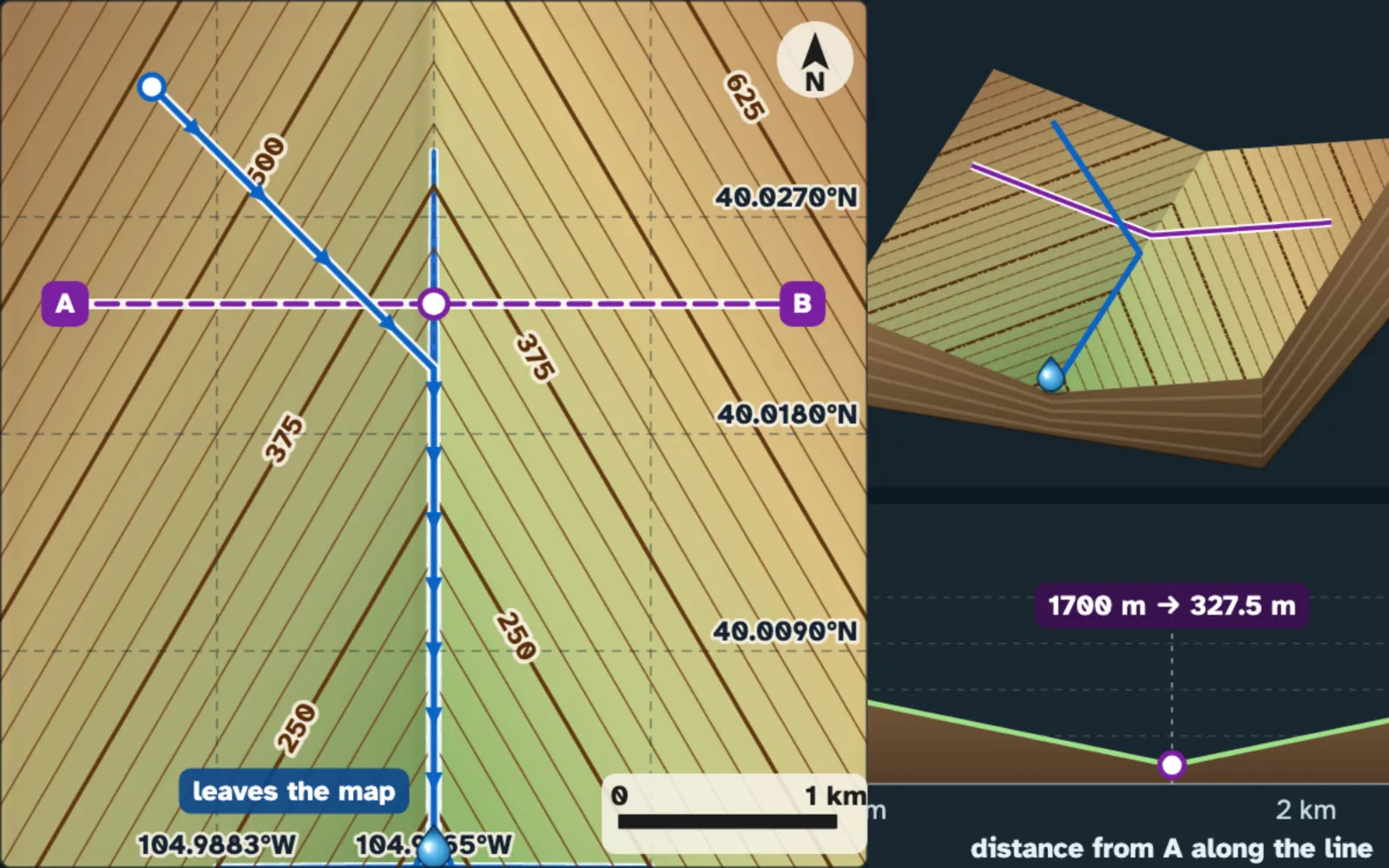 Lab
Sculpt land and watch contour lines redraw, drag elevation profiles across a valley, and drop rain to see why contour V’s point upstream.
Launch Mapping Earth’s Surface Lab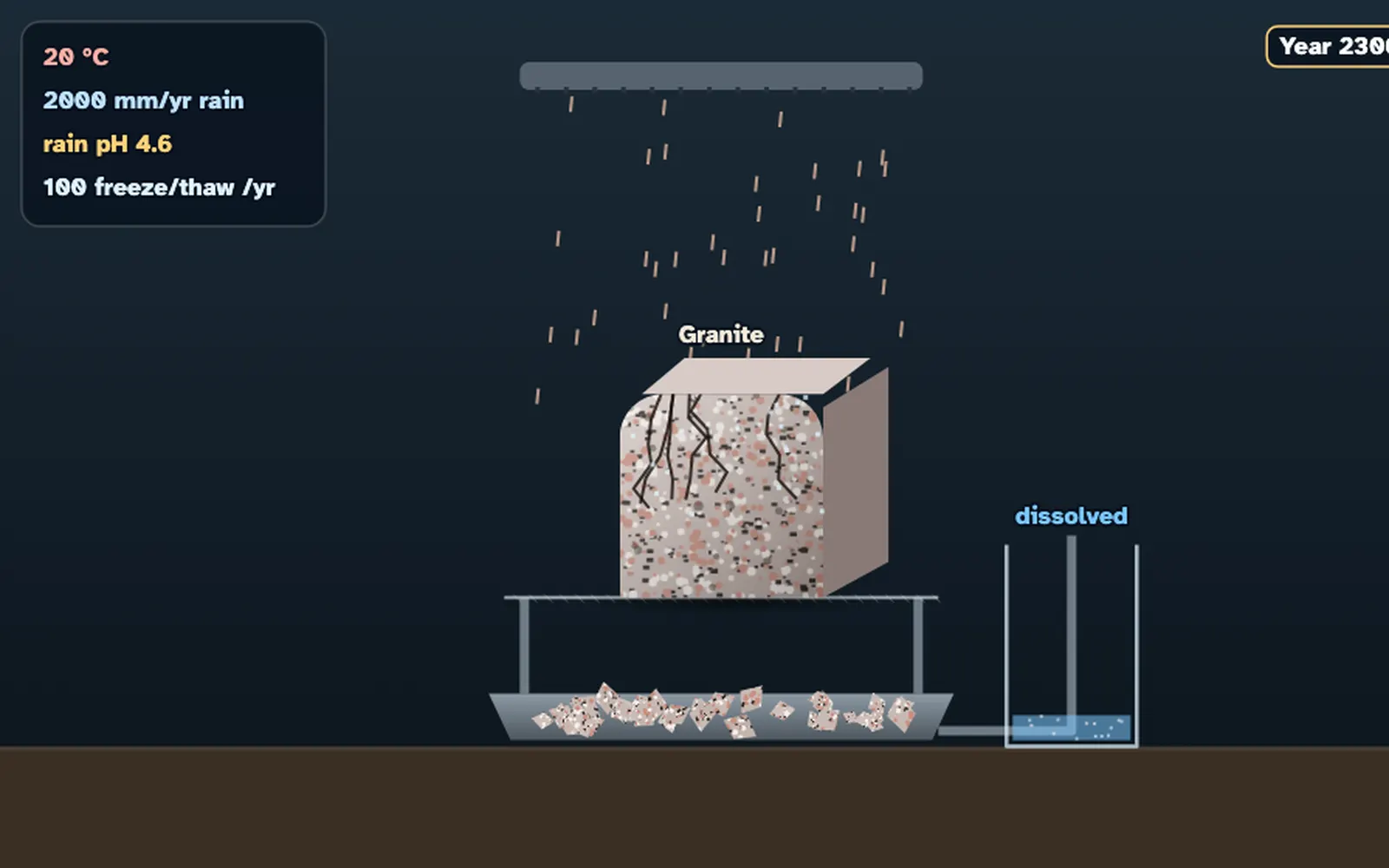 Lab
Weather four rocks under rain, acid and frost and track every gram, then raise a hillside's water table and read its stability.
Launch Weathering & Mass Wasting Lab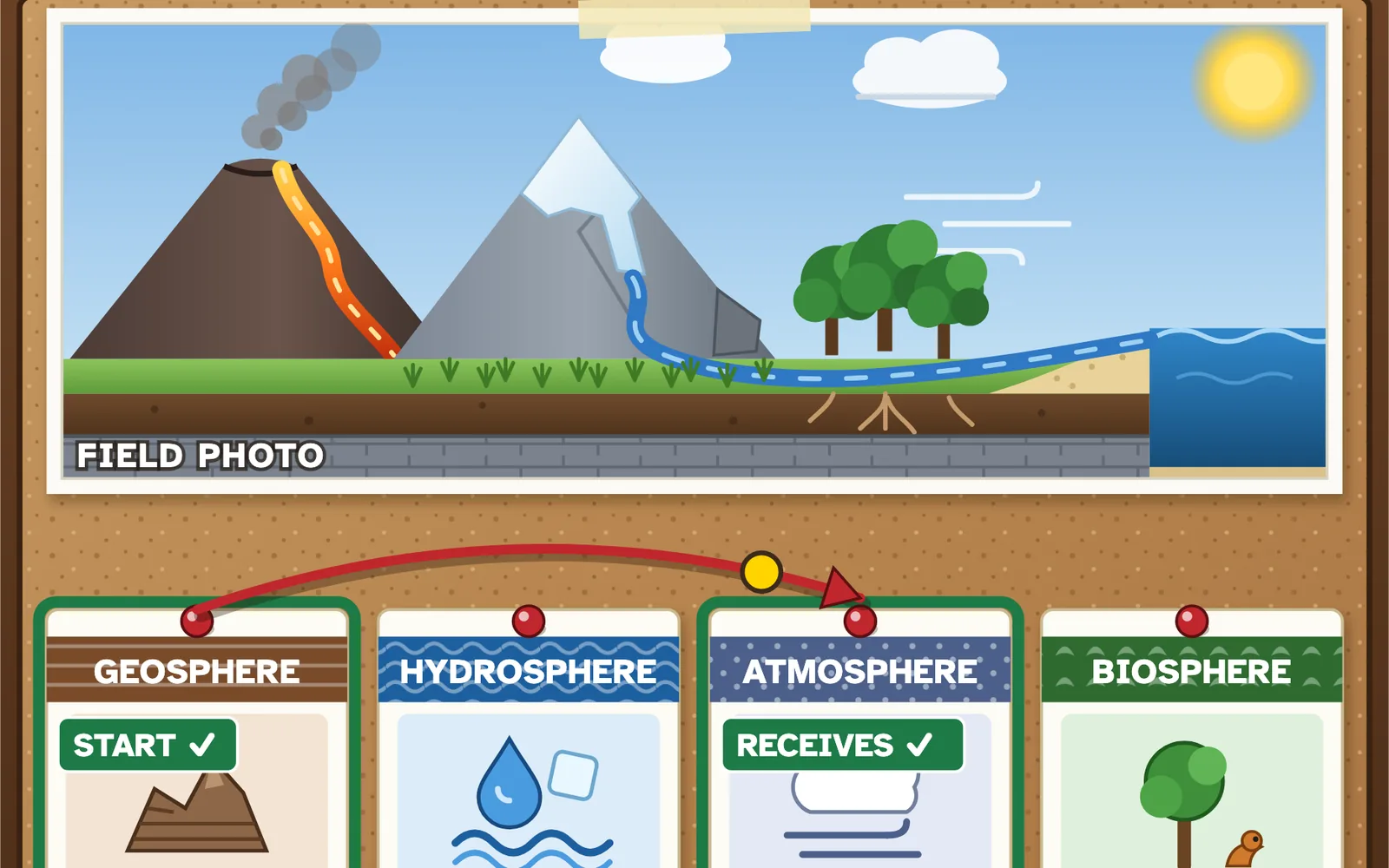 Practice
File field evidence under geosphere, hydrosphere, atmosphere or biosphere and pin the arrow for each interaction between spheres.
Launch Earth Systems Detective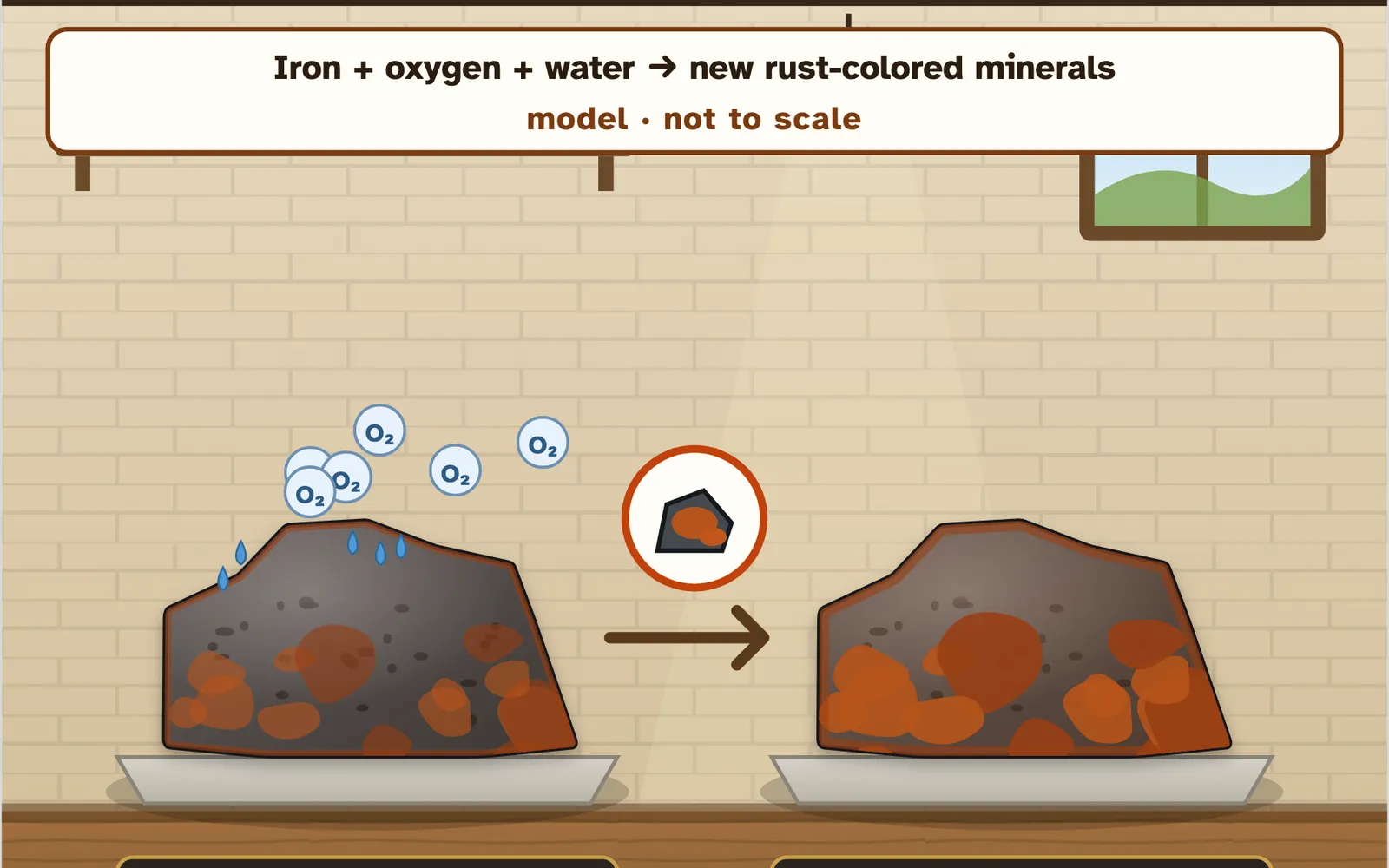 Practice
Run a stone workshop: pick freeze-thaw, roots, abrasion, acid rain or rust for each order, then name creep, slumps, rockfalls and mudflows.
Launch Weathering Workshop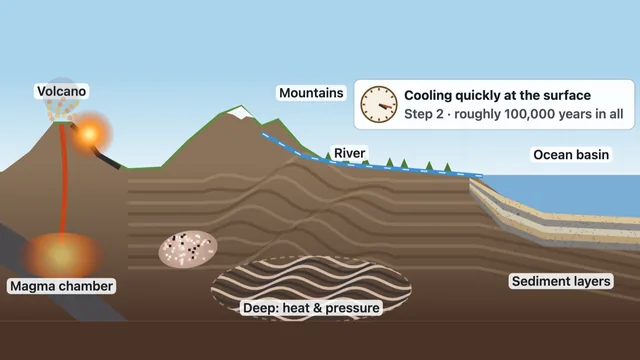 Practice
Run Earth's rock recycling plant: line up uplift, weathering, melting and more to turn one rock into another. 10-question runs.
Launch Rock Cycle Recycler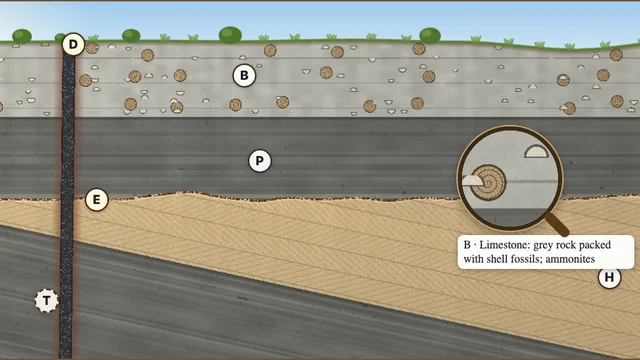 Practice
Be a geologic detective: put a cliff's layers, faults, dikes and erosion surfaces in order, then date the rocks. 10-question runs.
Launch Rock Layer Detective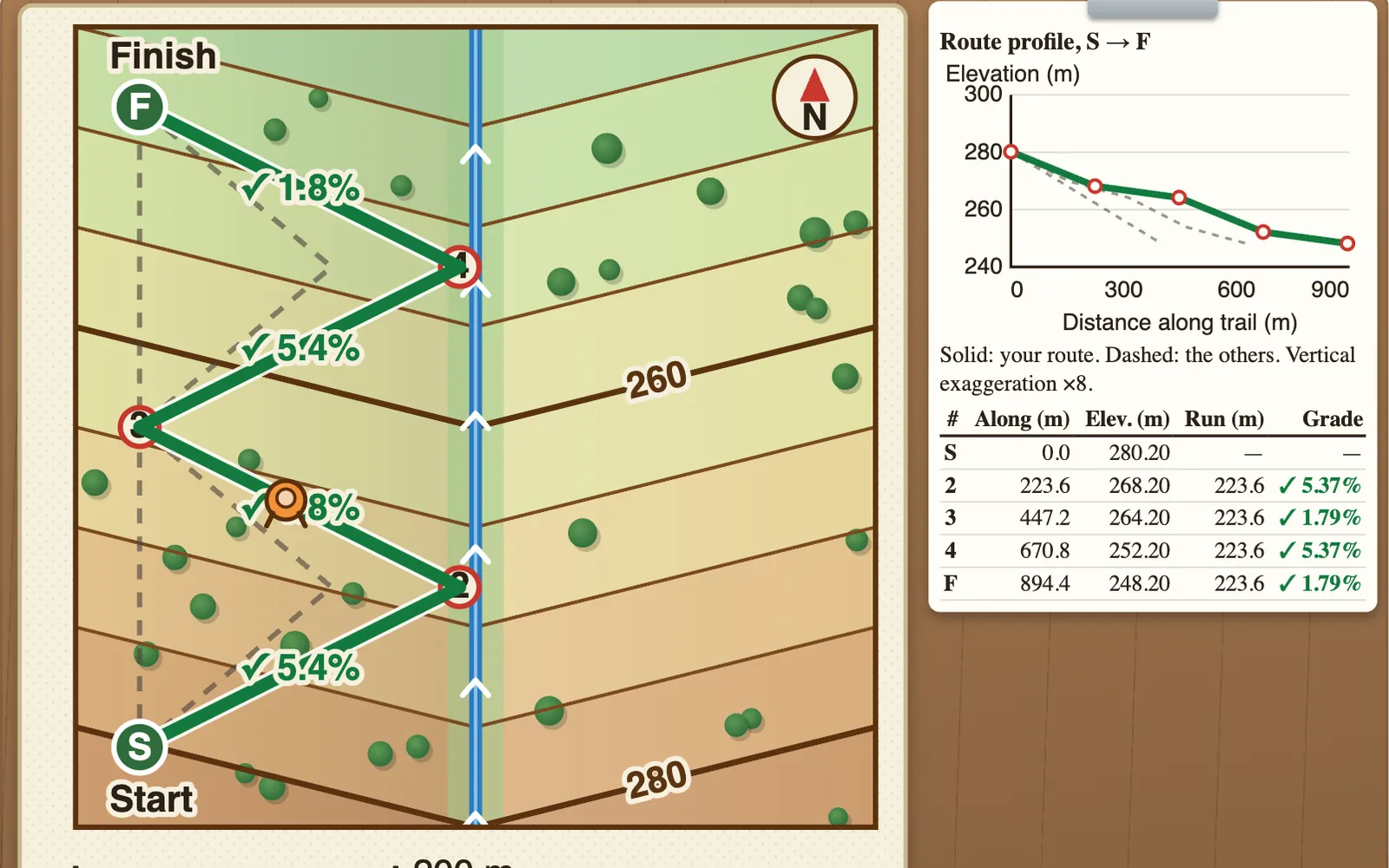 Practice
Plan hiking trails on a contour map: read the interval, find which way the creek flows, and keep every segment under the grade limit.
Launch Topo Trail Planner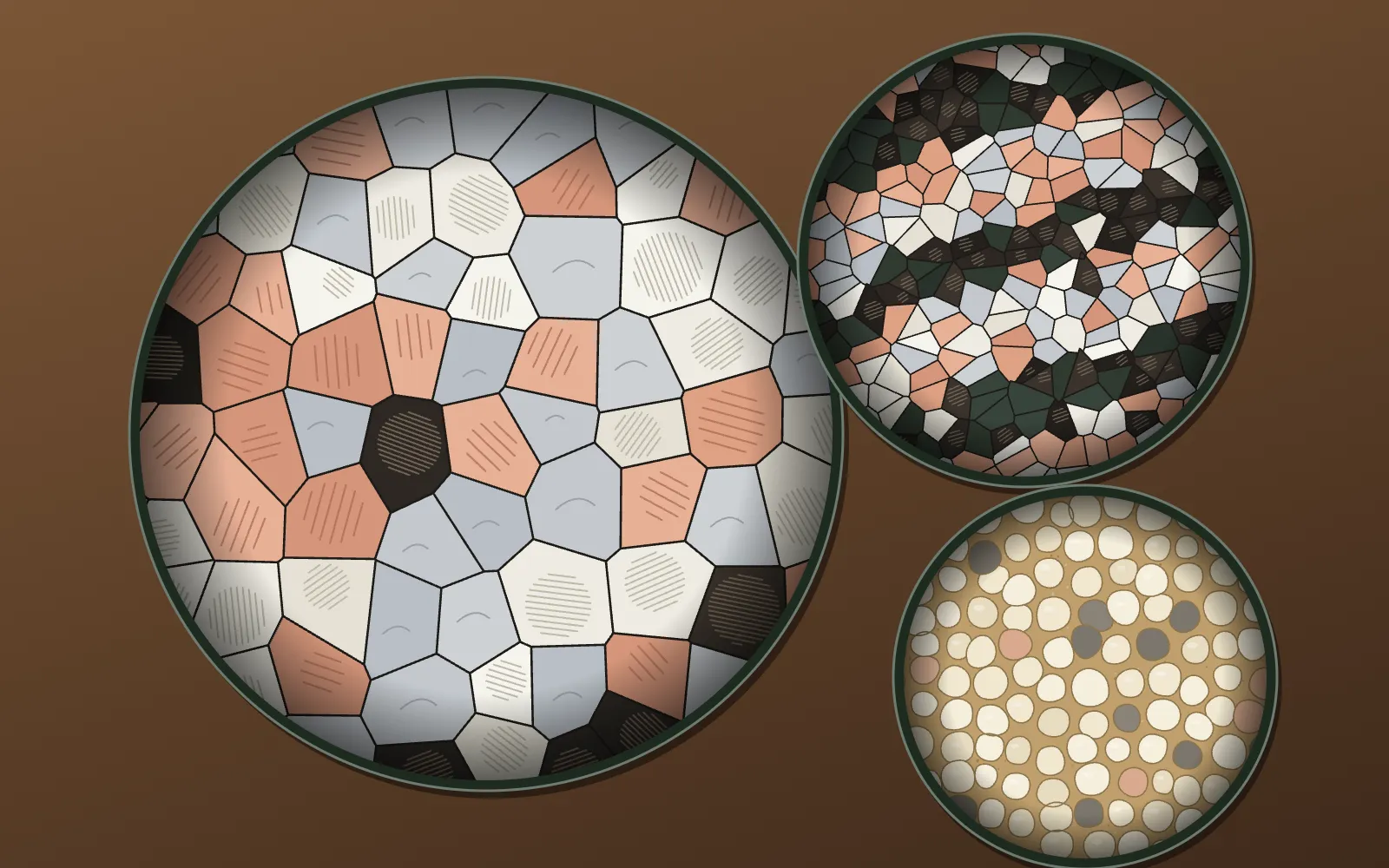 Practice
Inspect rock textures and observation notes, identify twelve rocks and defend the evidence for how each one formed.
Launch Thin Section Scope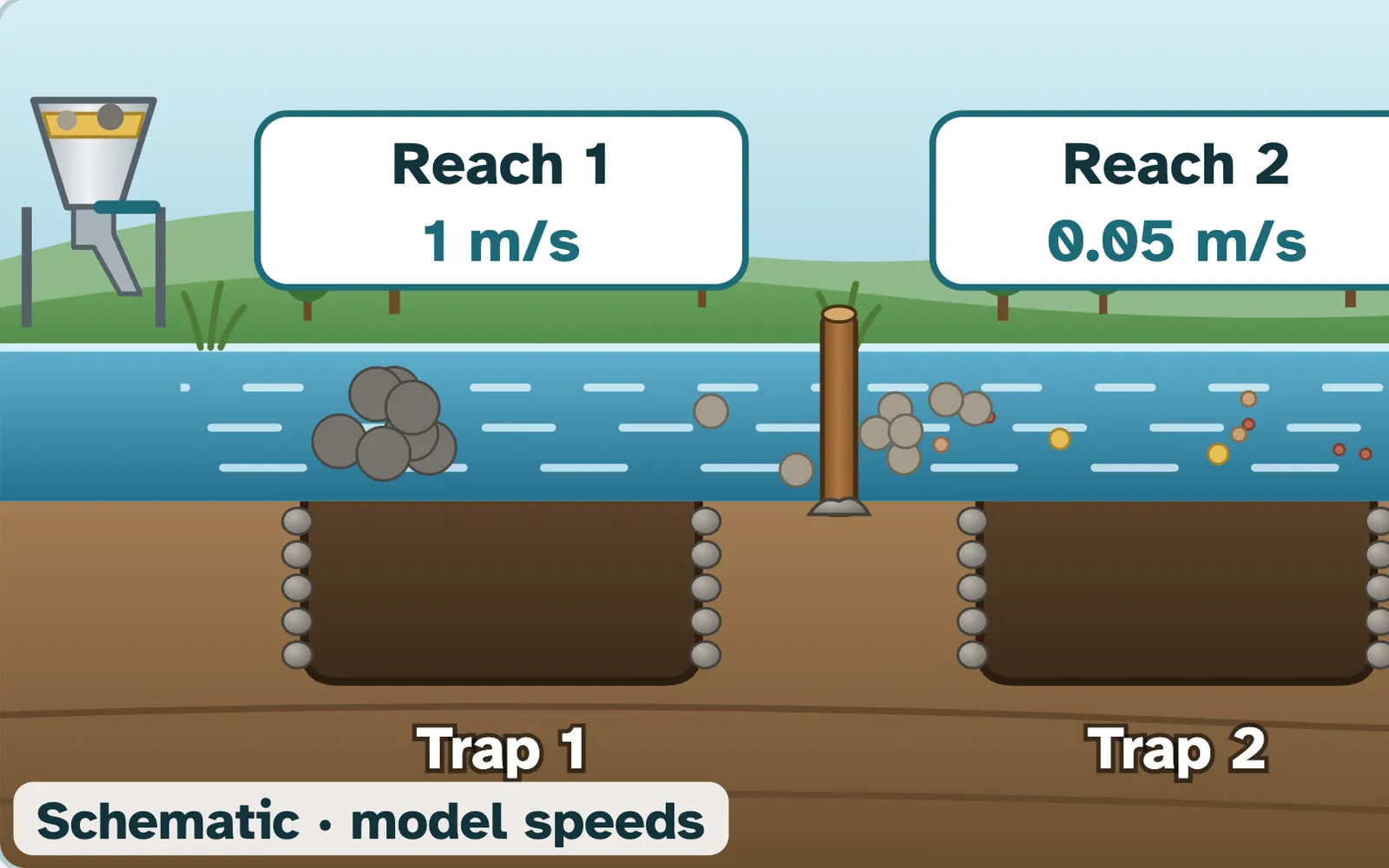 Practice
Help a river restoration crew: set three reach speeds so each sediment trap catches the ordered grains, then release the pulse.
Launch Sediment Sorter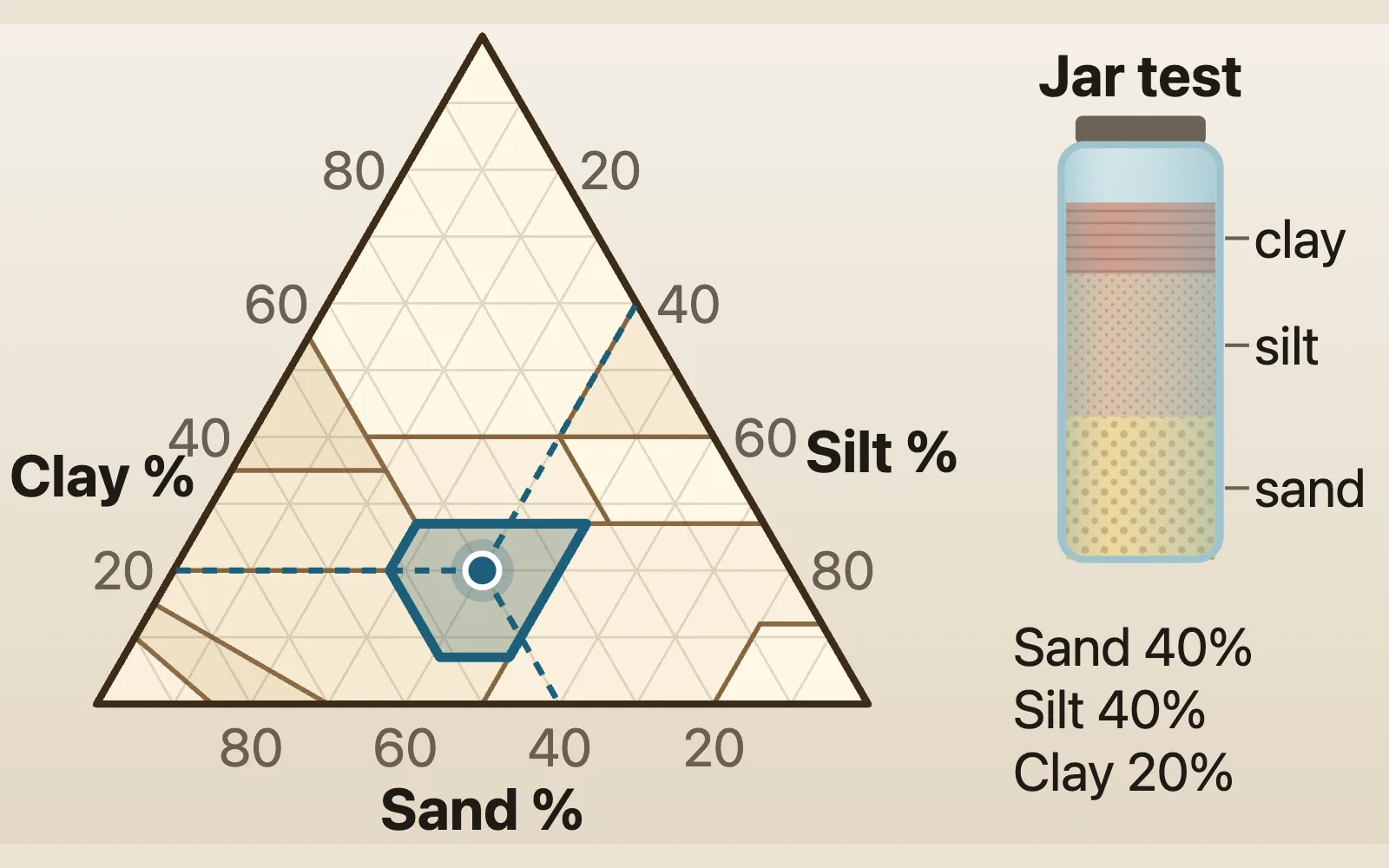 Practice
Plot soil on the USDA texture triangle, read a soil pit, compare drainage and write a conservation plan for a farm losing soil.
Launch Soil Scientist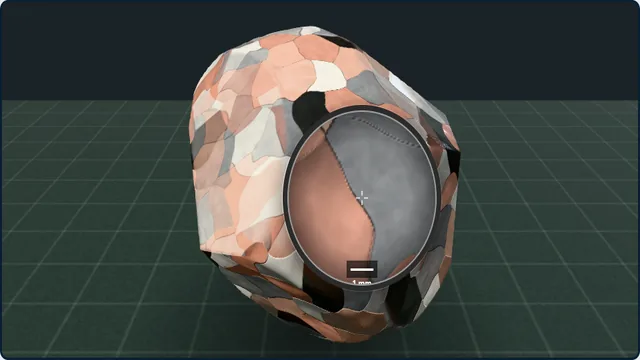 Lab
Test 3D mineral and rock specimens with a streak plate, scratch kit, acid, magnet and hand lens, then identify the unknowns.
Launch Rock & Mineral ID Lab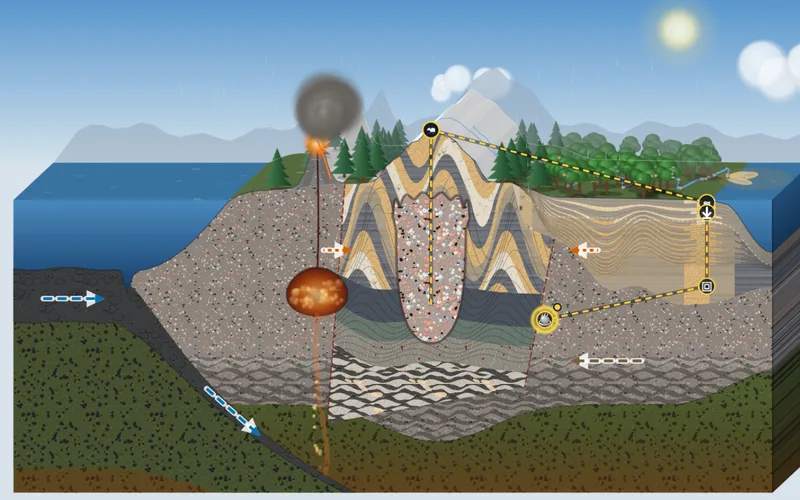 Lab
A living cross-section on a deep-time clock: cool magma into crystals, cement river grains into rock, and follow one grain around the cycle.
Launch Rock Cycle Lab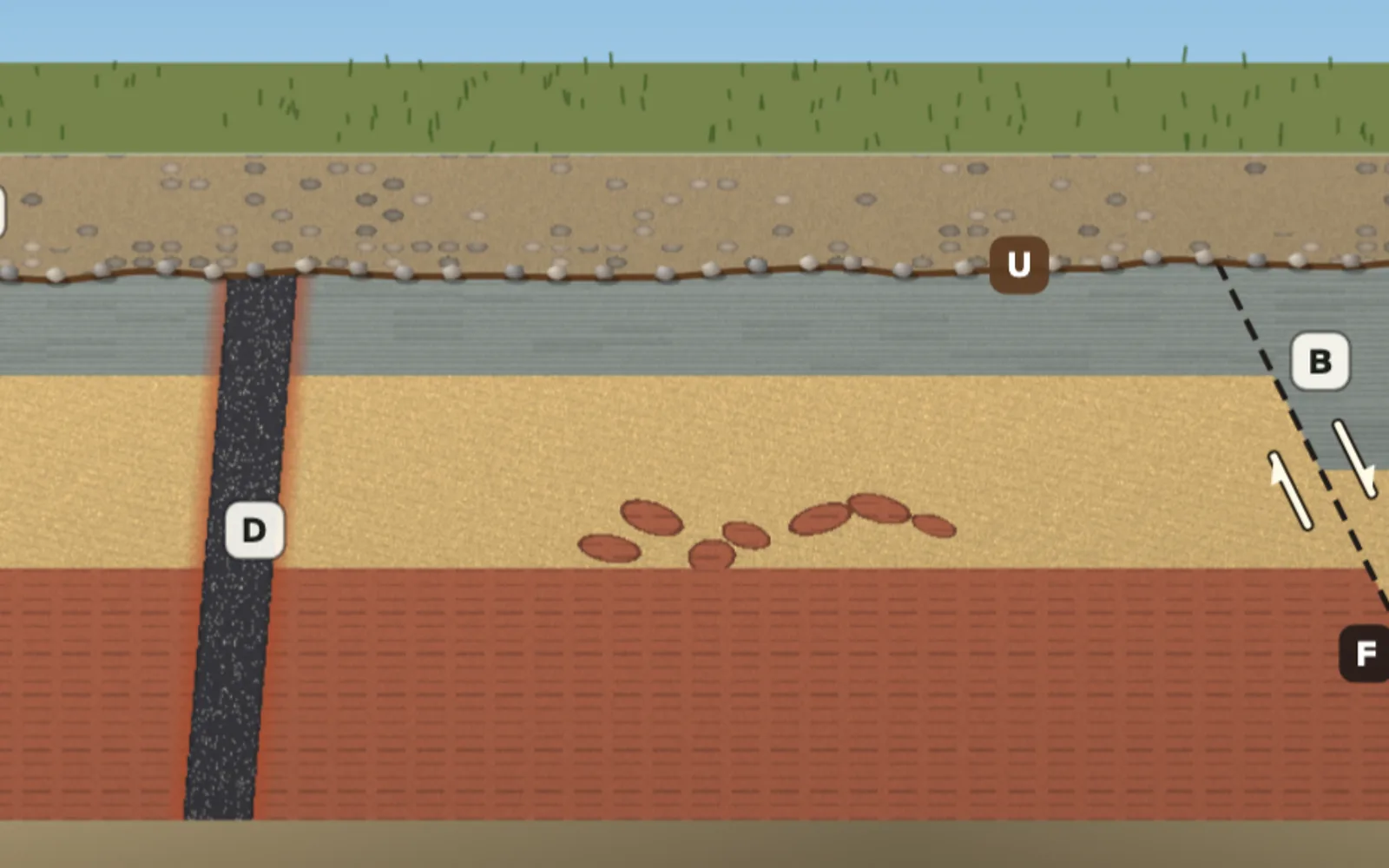 Lab
Read a cliff’s history from its clues, date samples with radioactive clocks, and place fossil beds on the ICS time scale.
Launch Geologic Time & Fossils Lab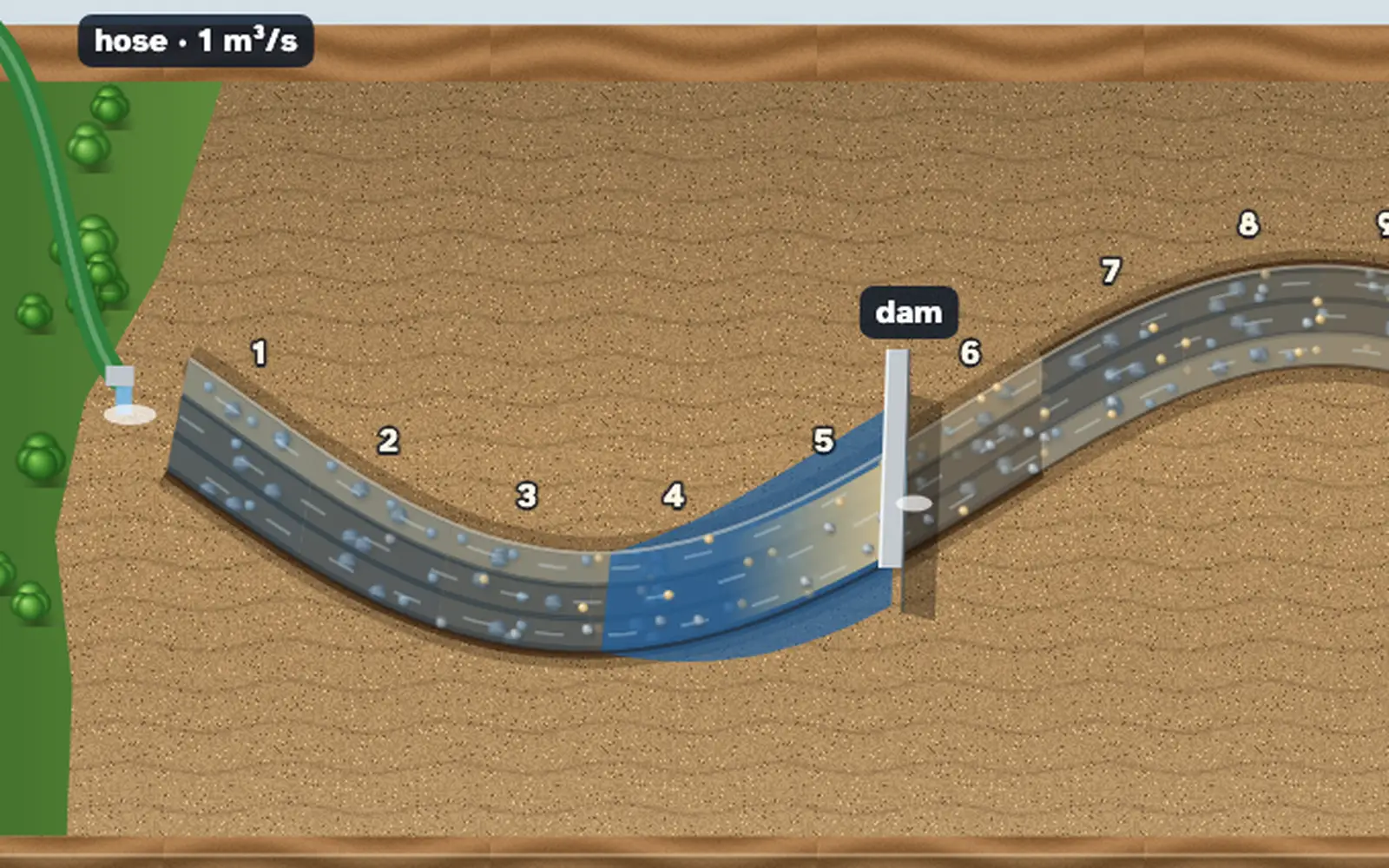 Lab
Run water over sand: find the speed that moves each grain, watch cut banks, point bars and deltas form, and test dams and levees.
Launch Stream Table Lab: Erosion & Deposition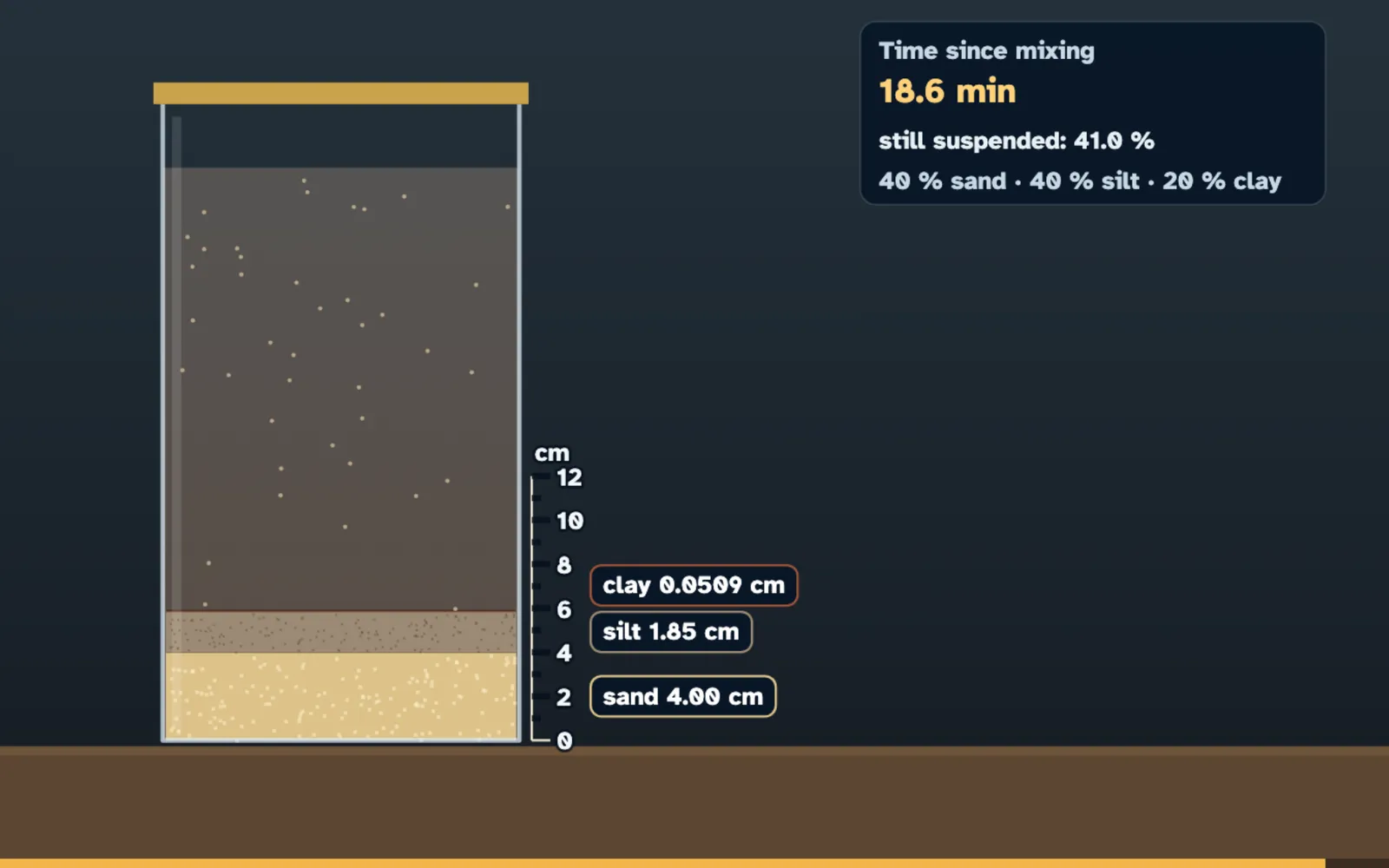 Lab
Settle sand, silt and clay in a jar, pour water through soil columns, read a soil test kit and wash soil off a rain tray.
Launch Soil Lab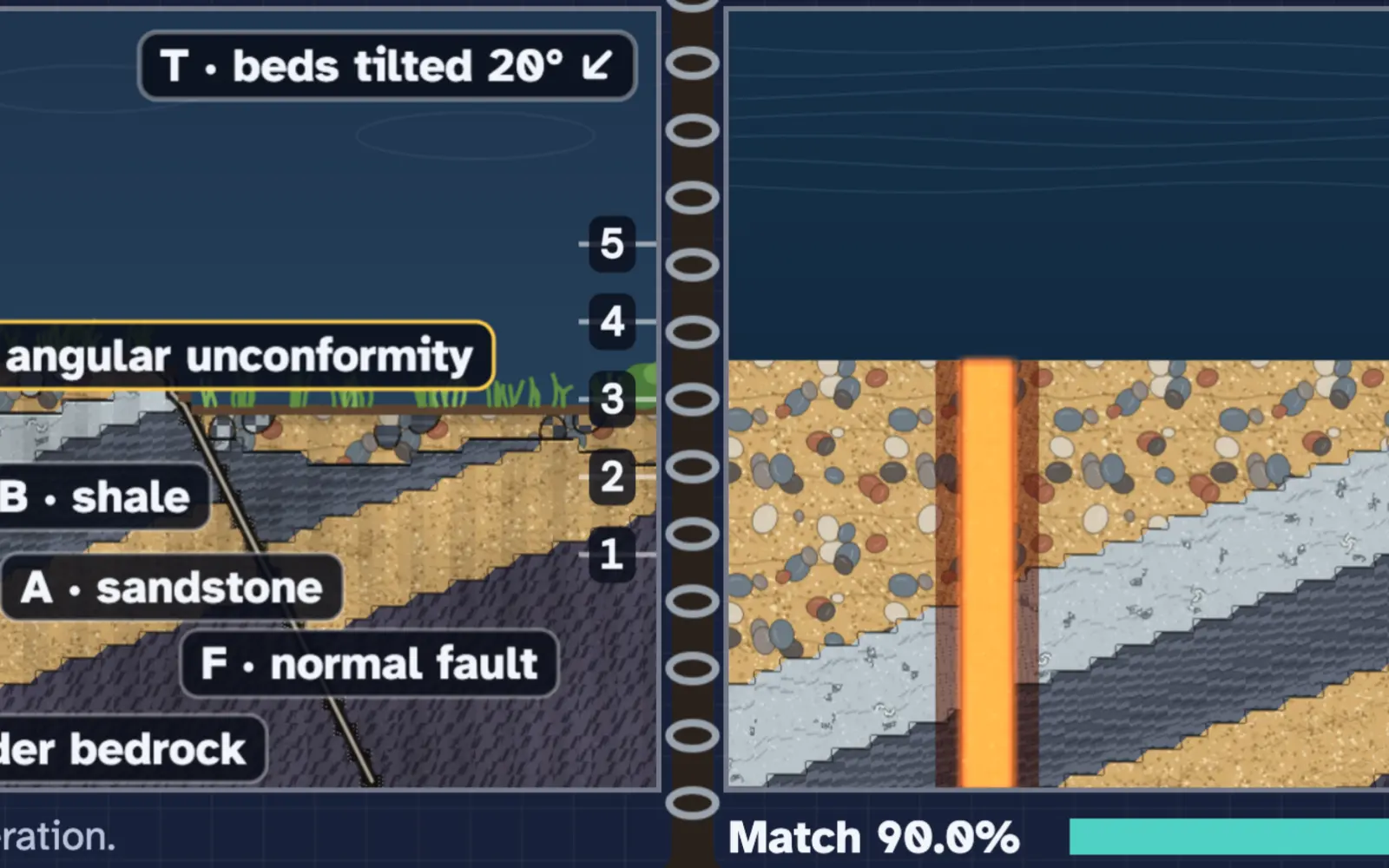 Arcade Game
Build geologic history forward: deposit, tilt, erode, intrude and fault until your basin matches the field outcrop. 21 cases.
Play Outcrop Rebuild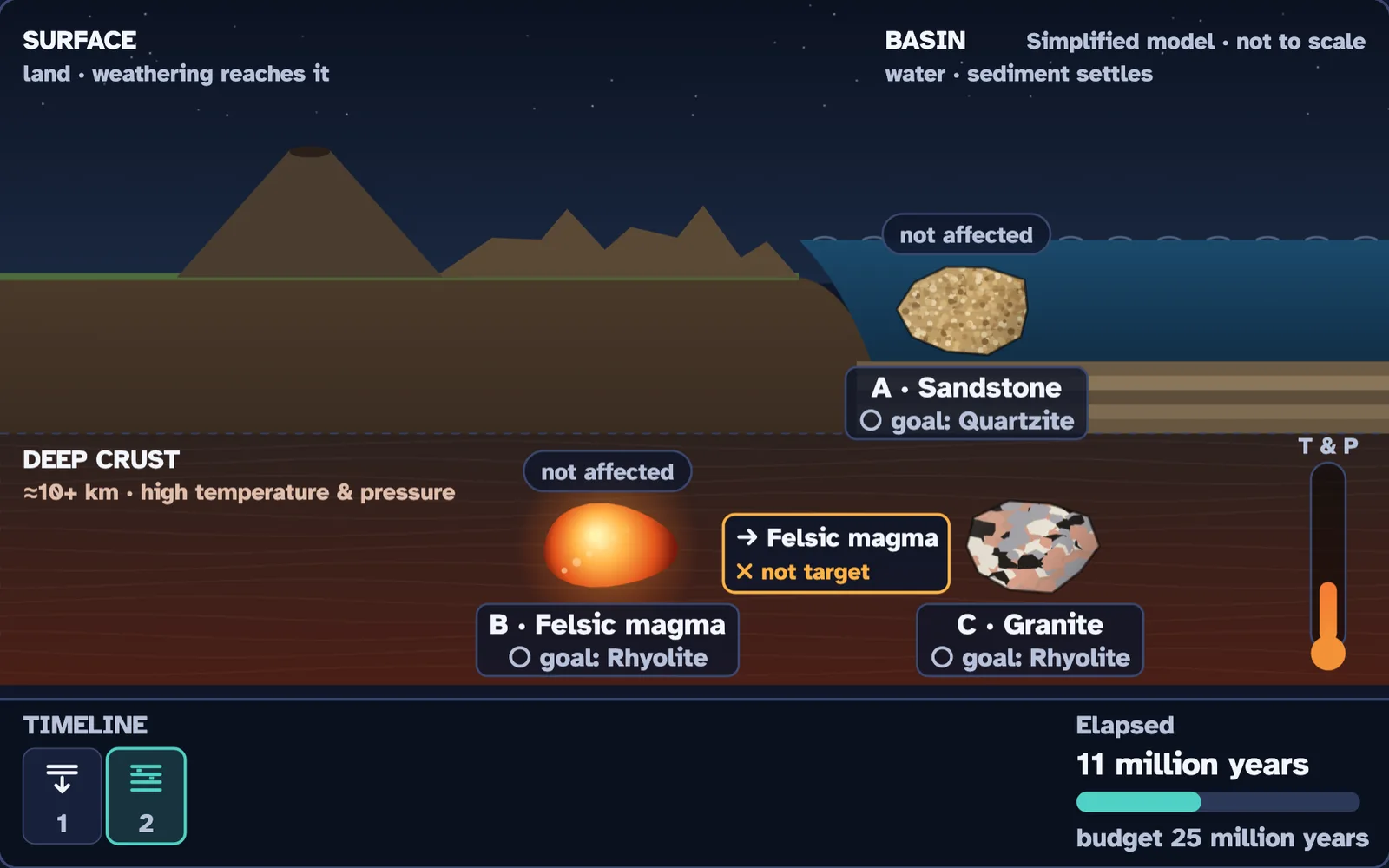 Arcade Game
One region, up to three rocks, one chain of Earth events. Order uplift, burial, heat and melting so every rock hits its target.
Play Rock Cycle Relay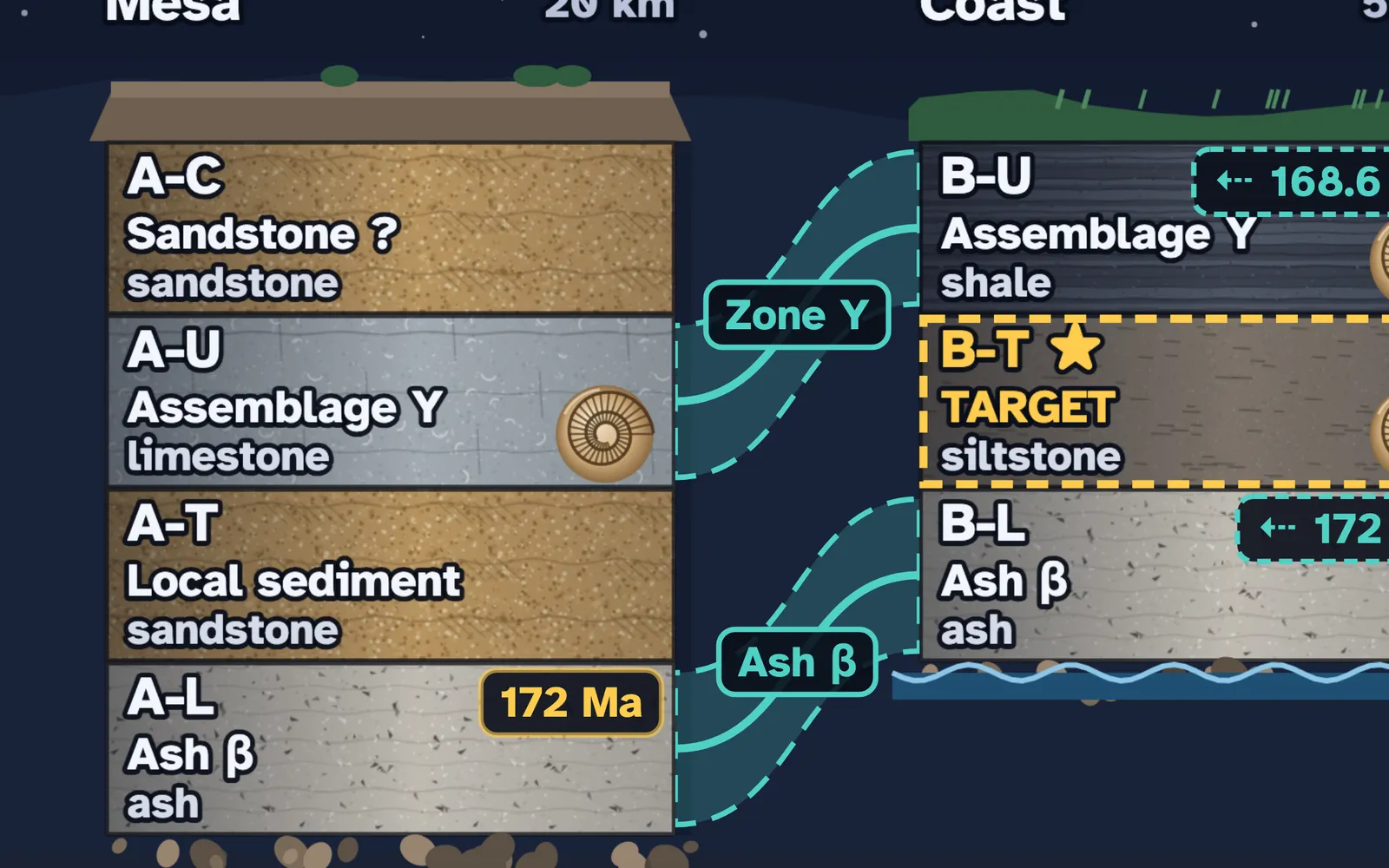 Arcade Game
Tie ash beds and fossil zones across distant outcrops, carry their dates over, and bracket the age of an undated layer. 25 cases.
Play Fossil Clock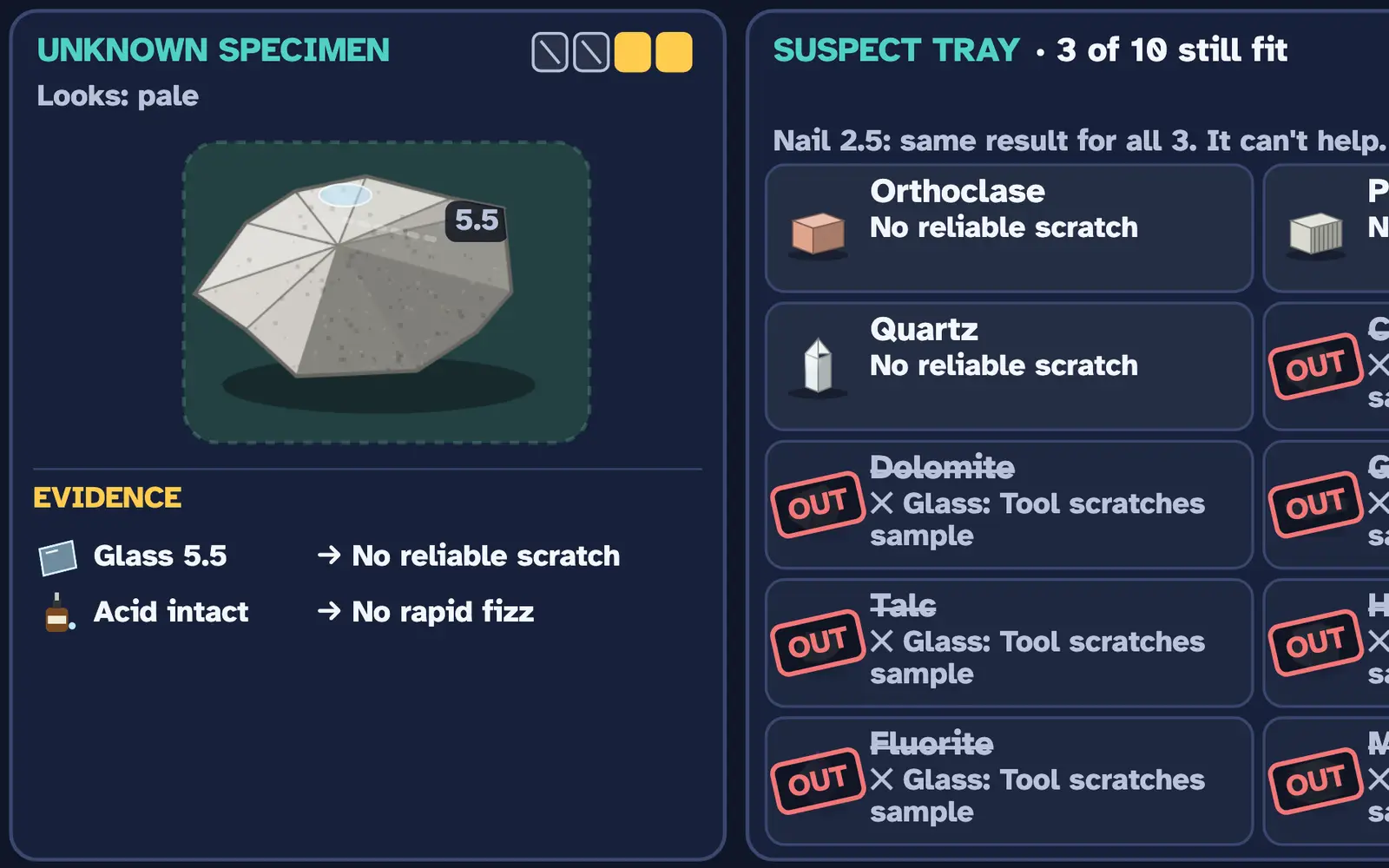 Arcade Game
One unknown mineral, a tray of suspects, a tight test budget. Plan streak, scratch, acid and magnet tests to prove what it is.
Play Streak & Scratch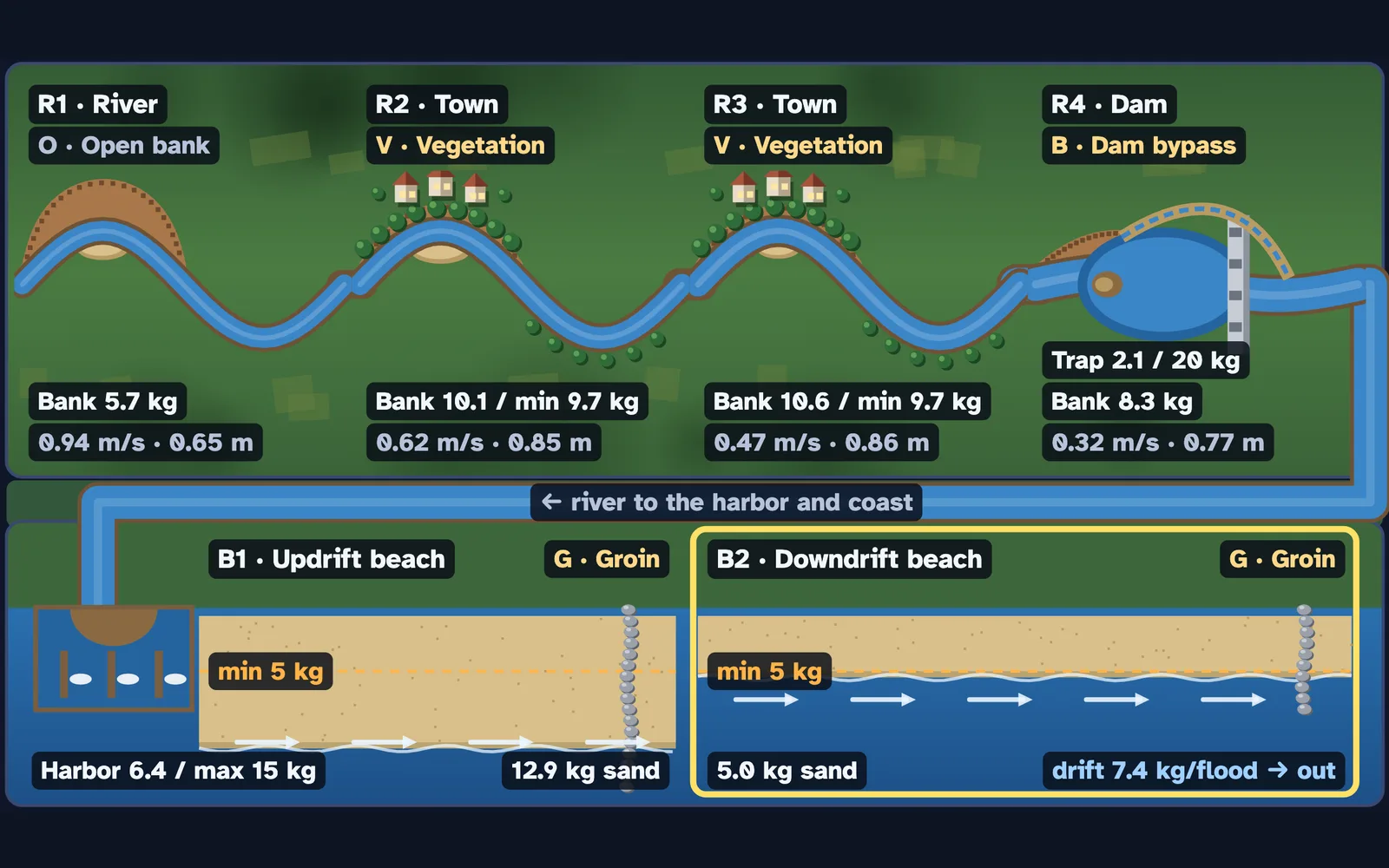 Arcade Game
Protect river towns through a run of floods without starving the harbor and beaches of sand: erosion moves sediment somewhere. 30 levels.
Play Erosion Engineer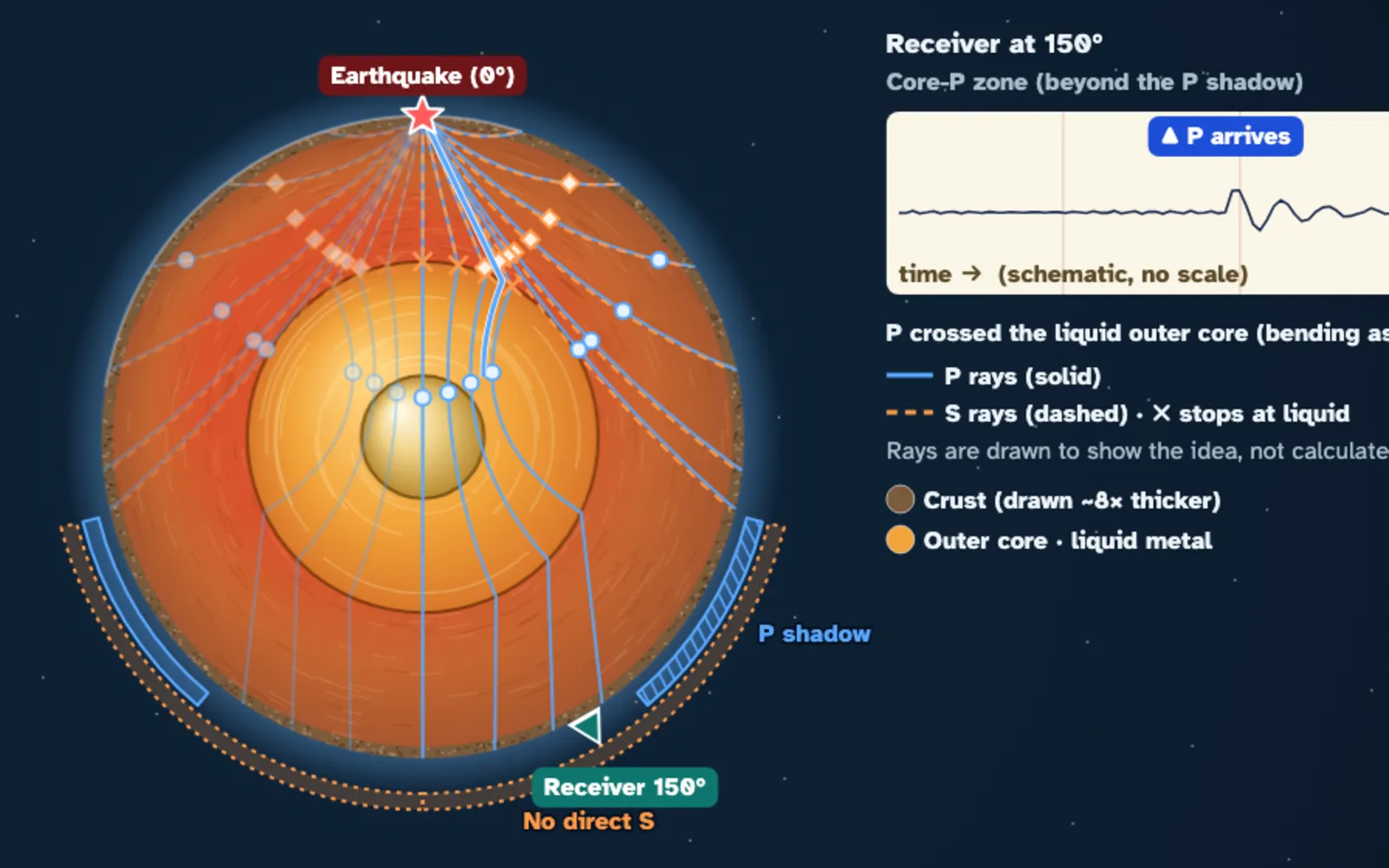 Lab
Pick P and S onsets on three seismograms, turn each lag into a distance circle to find the epicenter, then infer the liquid outer core.
Launch Earthquake Waves & Earth’s Layers Lab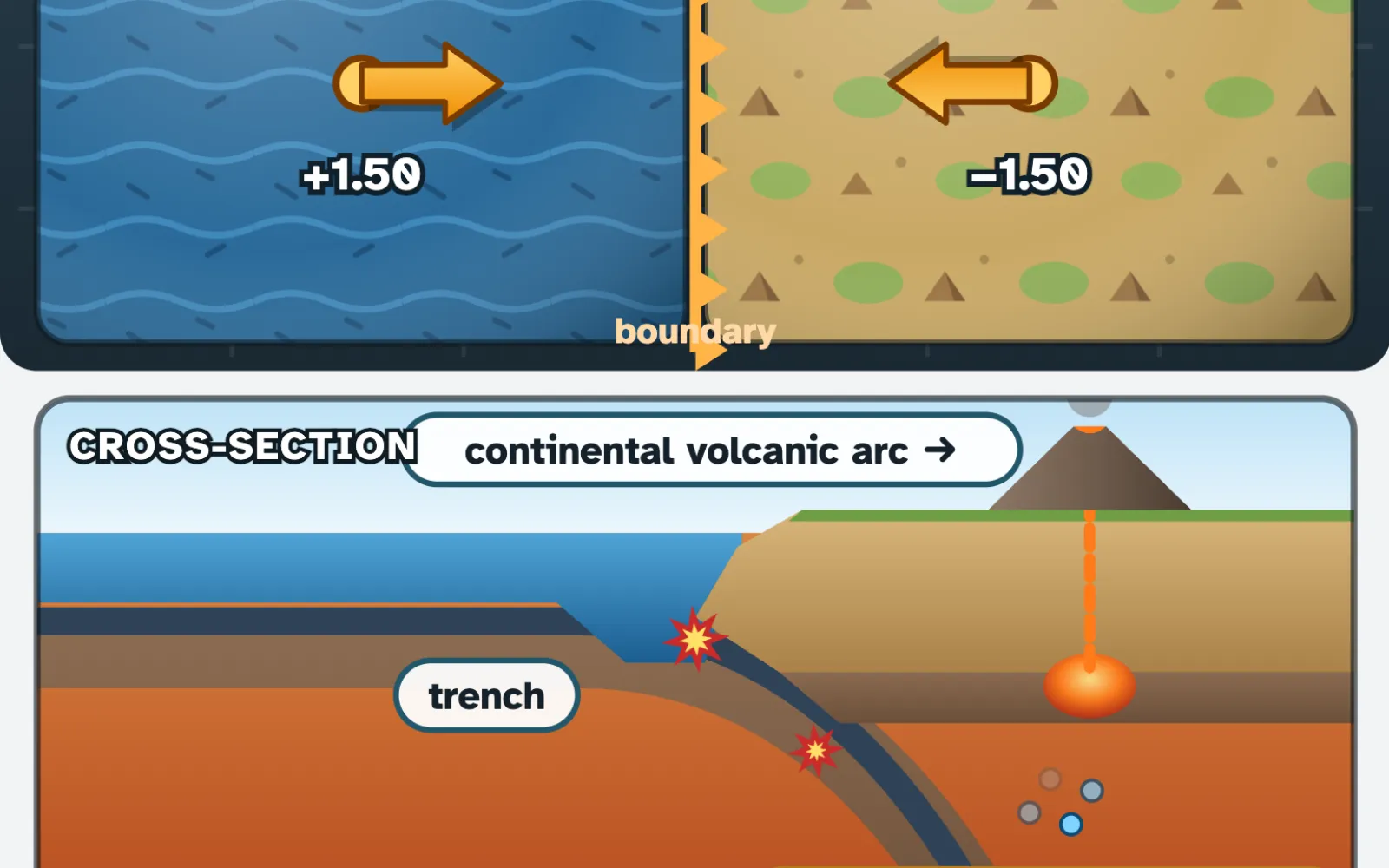 Practice
Run a geology tour's plate model table: move two plates to build the Andes, Himalayas or San Andreas, then explain the landform and hazards.
Launch Plate Boundary Tour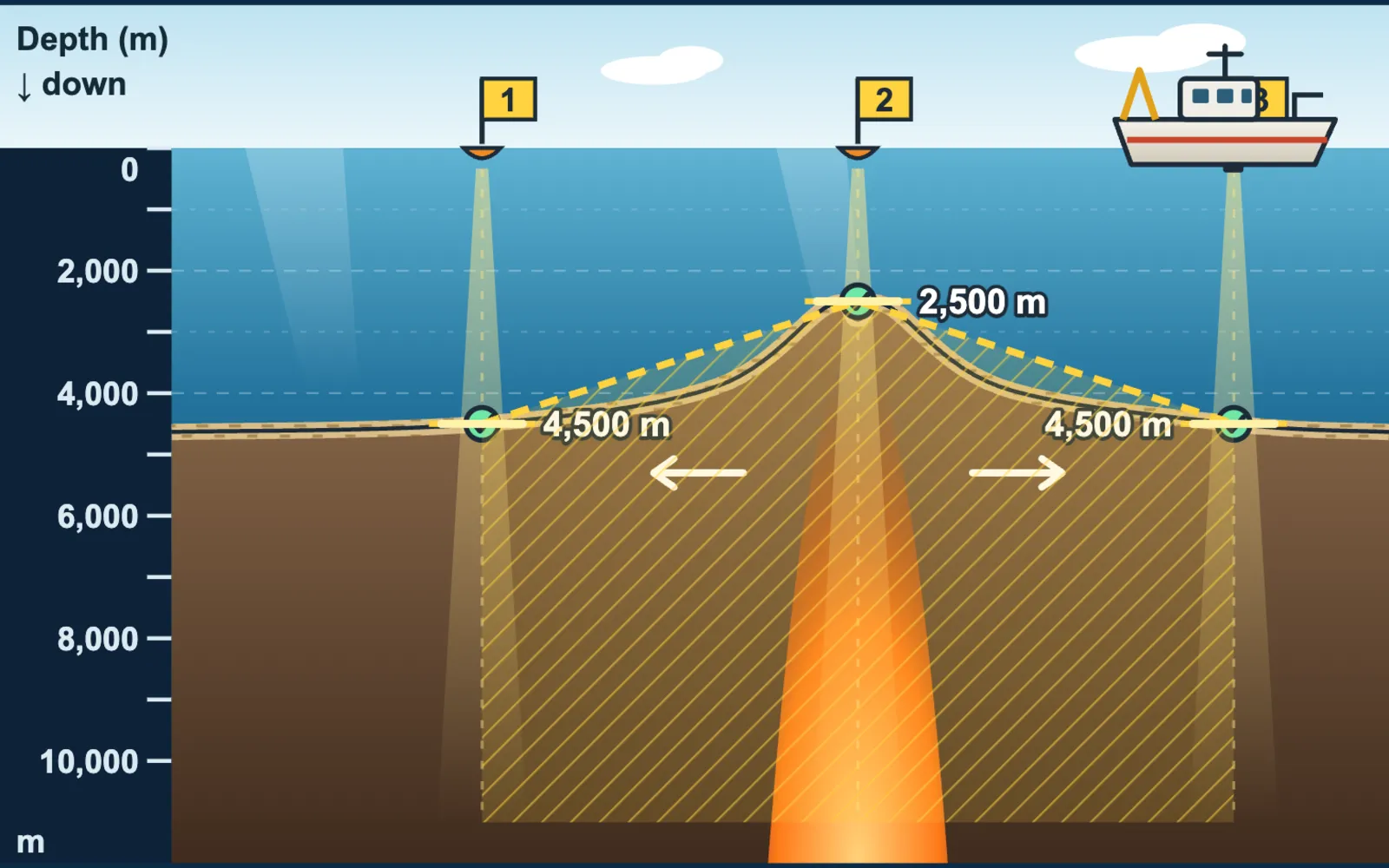 Practice
Run a ship's echo sounder: turn two-way echo times into depths, build the seafloor profile, name the feature and its plate boundary.
Launch Sonar Seafloor Mapper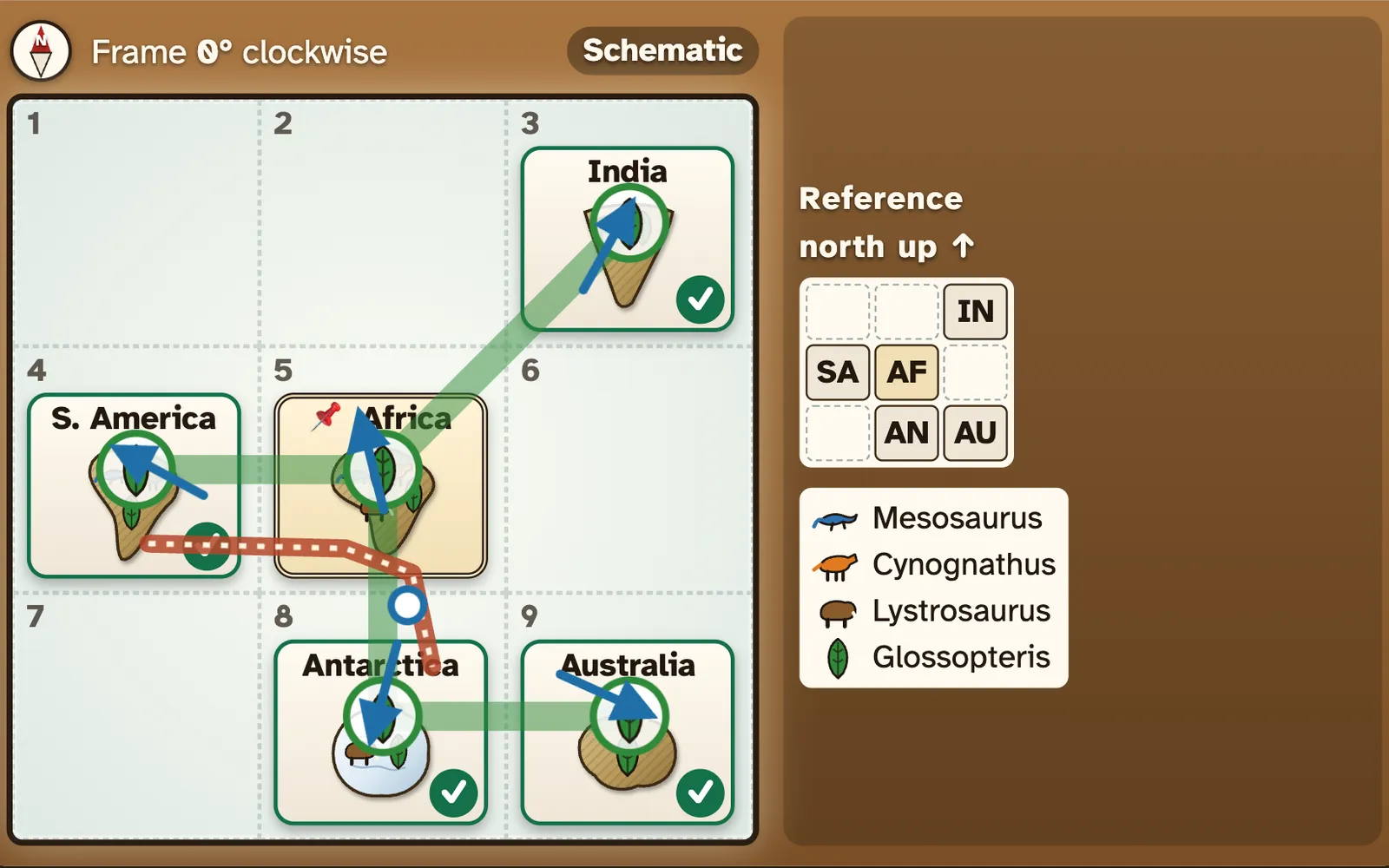 Practice
Fit four continents back against Africa on a turned map, then explain what shared fossils, rock belts and glacial scratches reveal.
Launch Pangaea Puzzle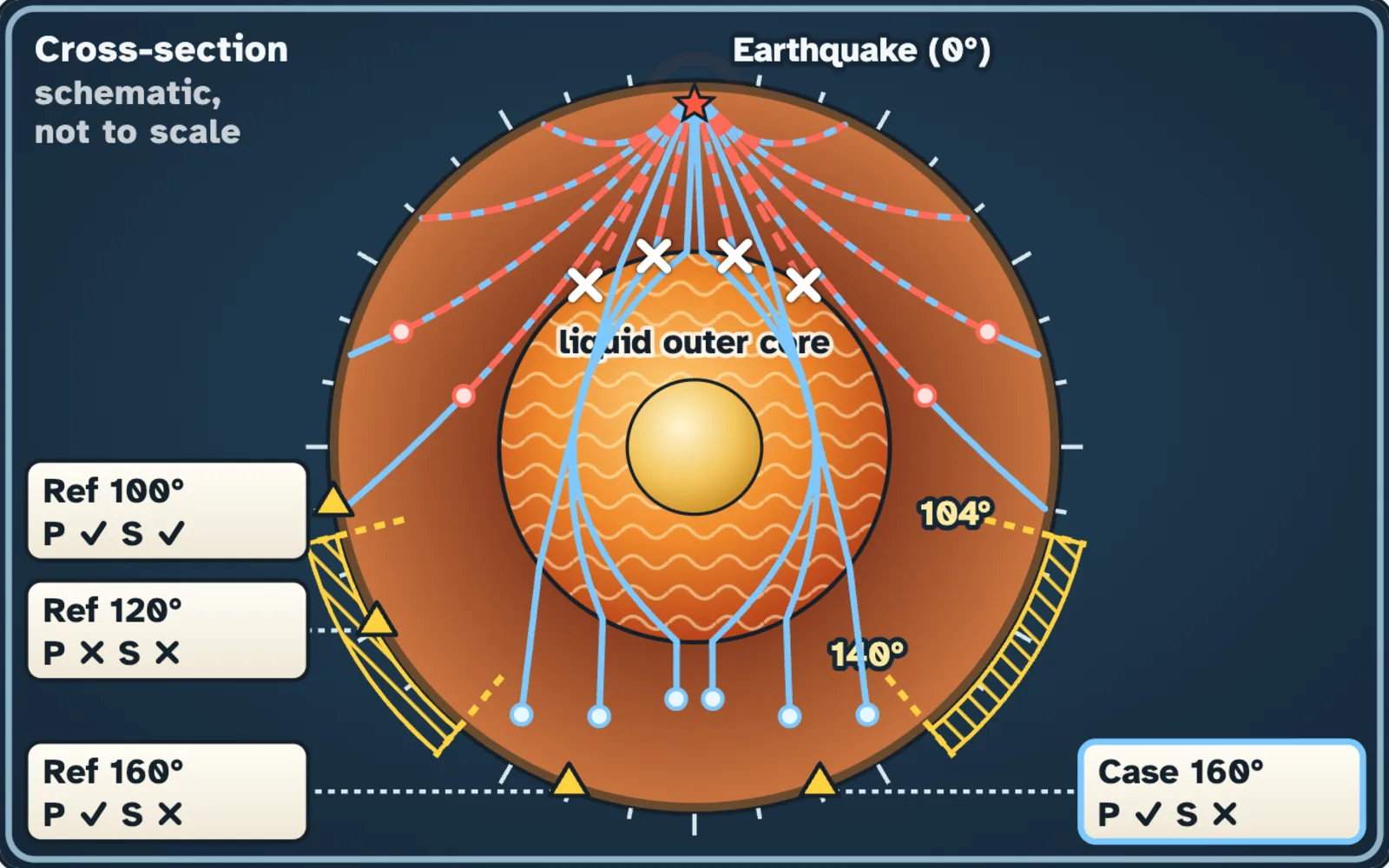 Practice
Map where P and S waves go missing to infer the liquid outer core, and turn S − P lags into distance circles that locate a local epicenter.
Launch Seismic Shadow Detective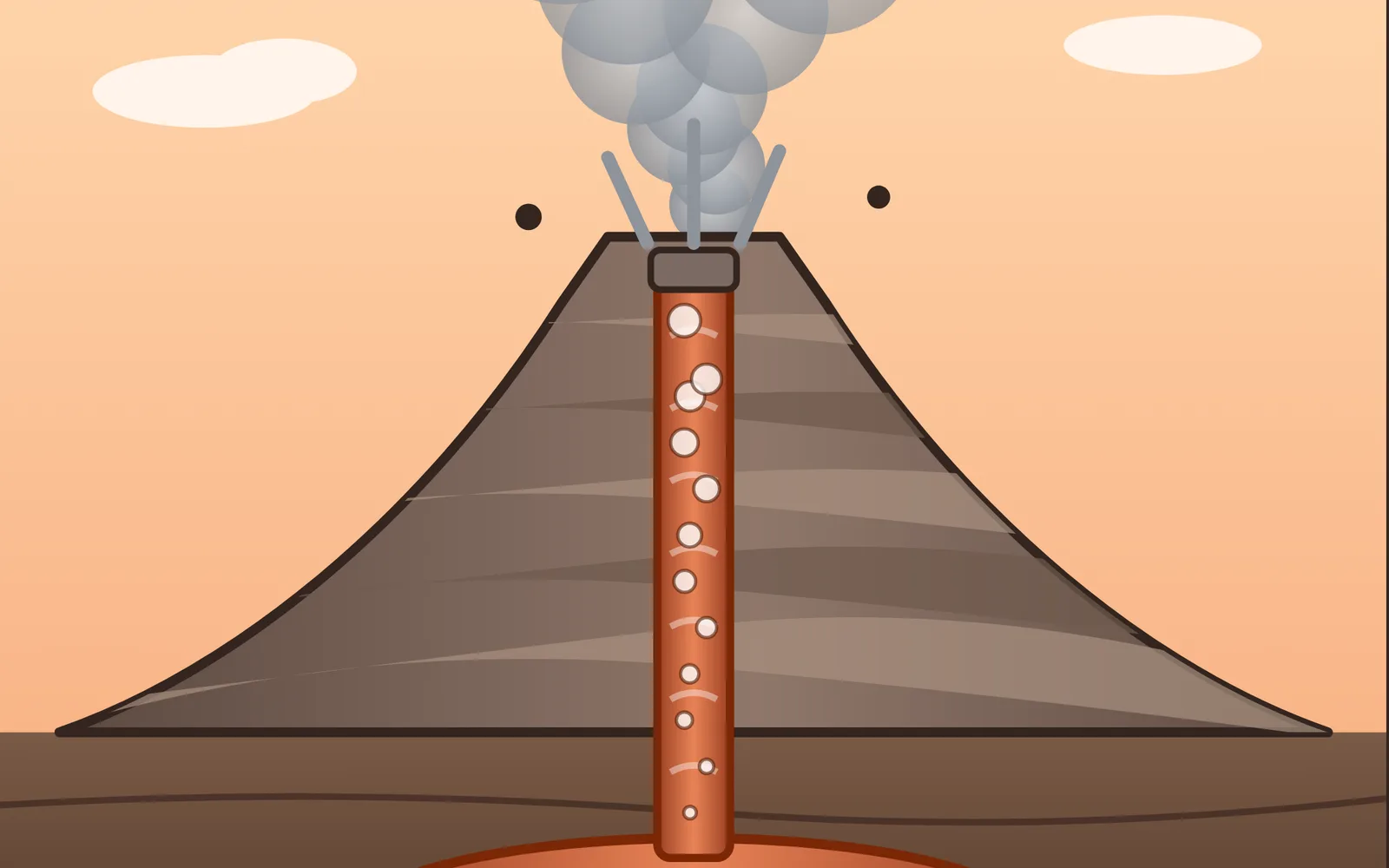 Practice
Build a magma, watch silica and gas change the eruption, then match a real volcano's setting and plan for a site on a hazard map.
Launch Volcano Forecaster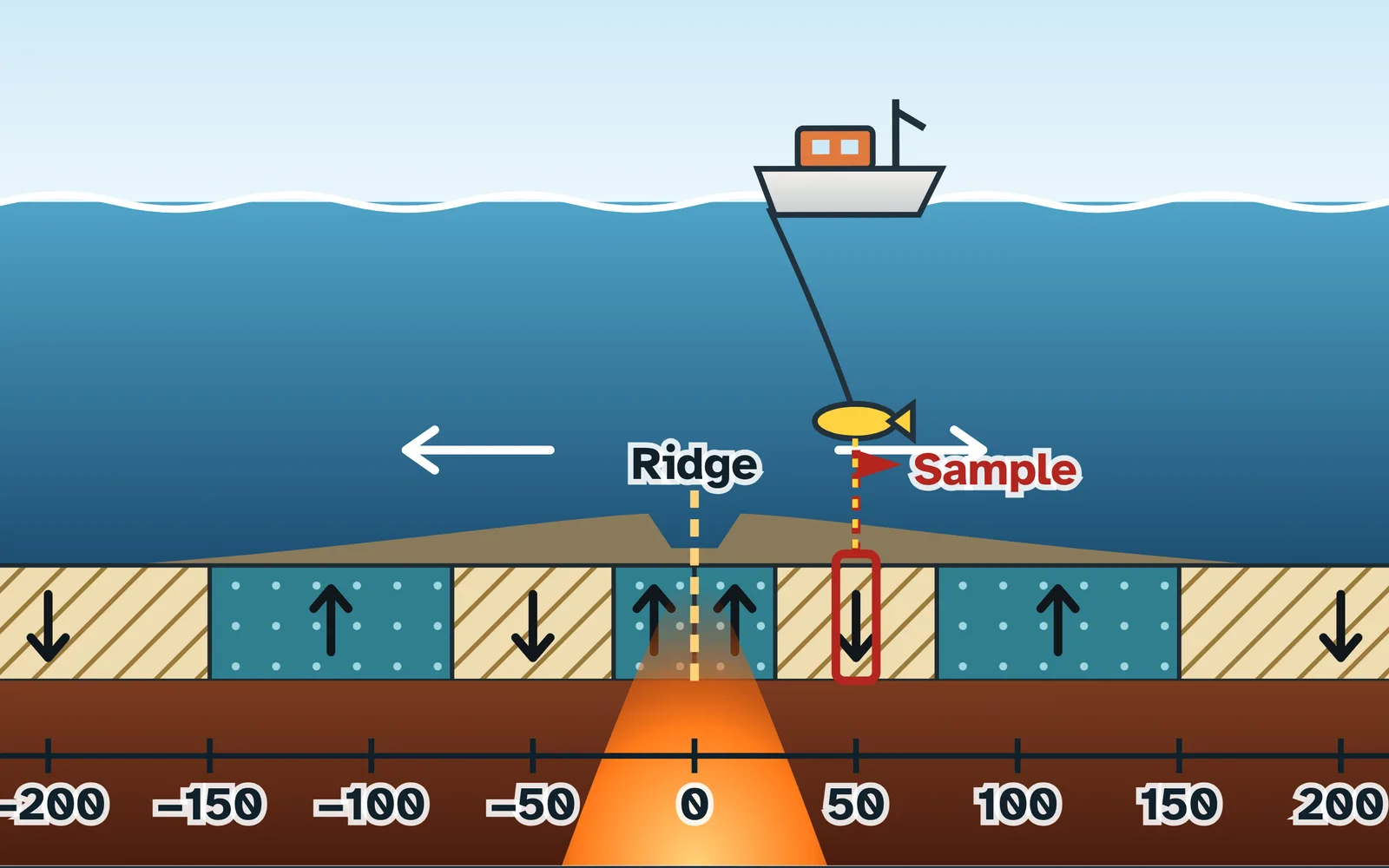 Practice
Tow a magnetometer across a mid-ocean ridge, read the mirrored magnetic stripes, then date the crust and find spreading rates.
Launch Magnetic Stripe Reader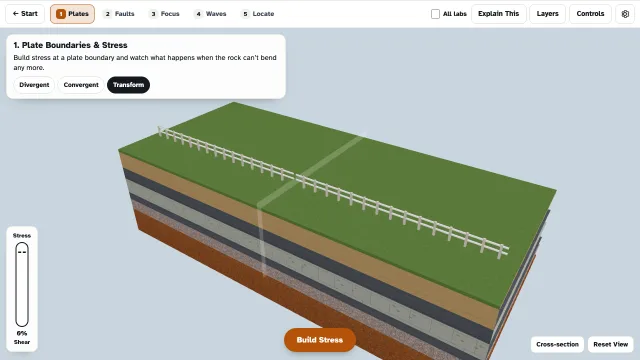 Simulation
Build stress at plate boundaries, slip faults, race seismic waves, find an epicenter, and plan for earthquake hazards.
Launch Fault Lines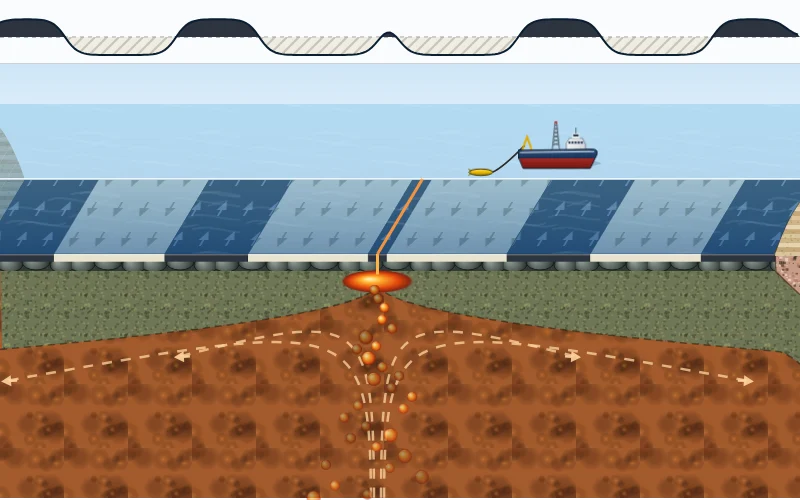 Lab
Drill and date seafloor cores for spreading rates, read mirror-image magnetic stripes, and grow trenches, arcs and mountains.
Launch Plate Tectonics & Seafloor Spreading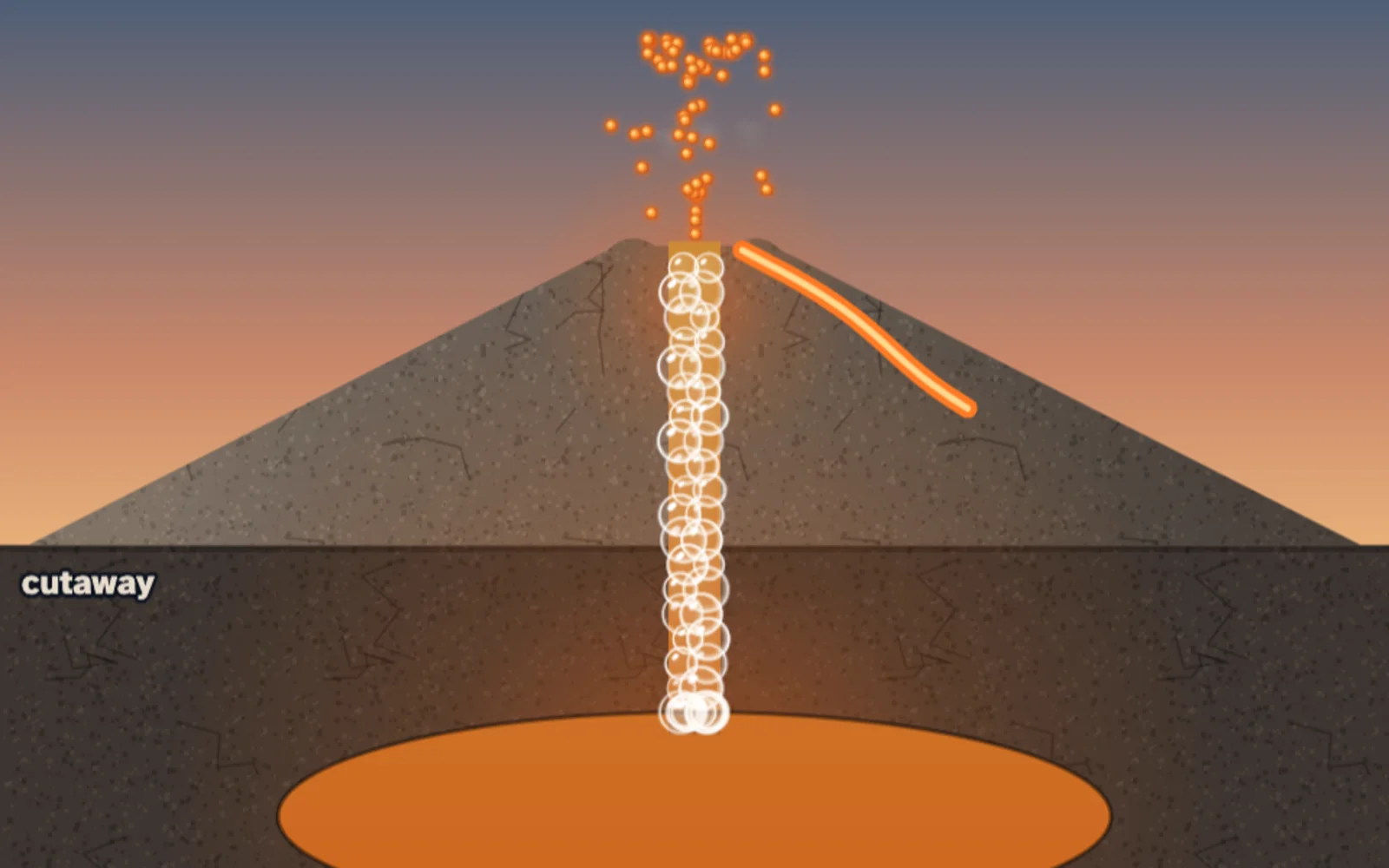 Lab
Separate stiff melt from trapped gas, drop eruption volumes on the VEI ruler, and see which hazards turn with the wind.
Launch Volcanoes & Magma Lab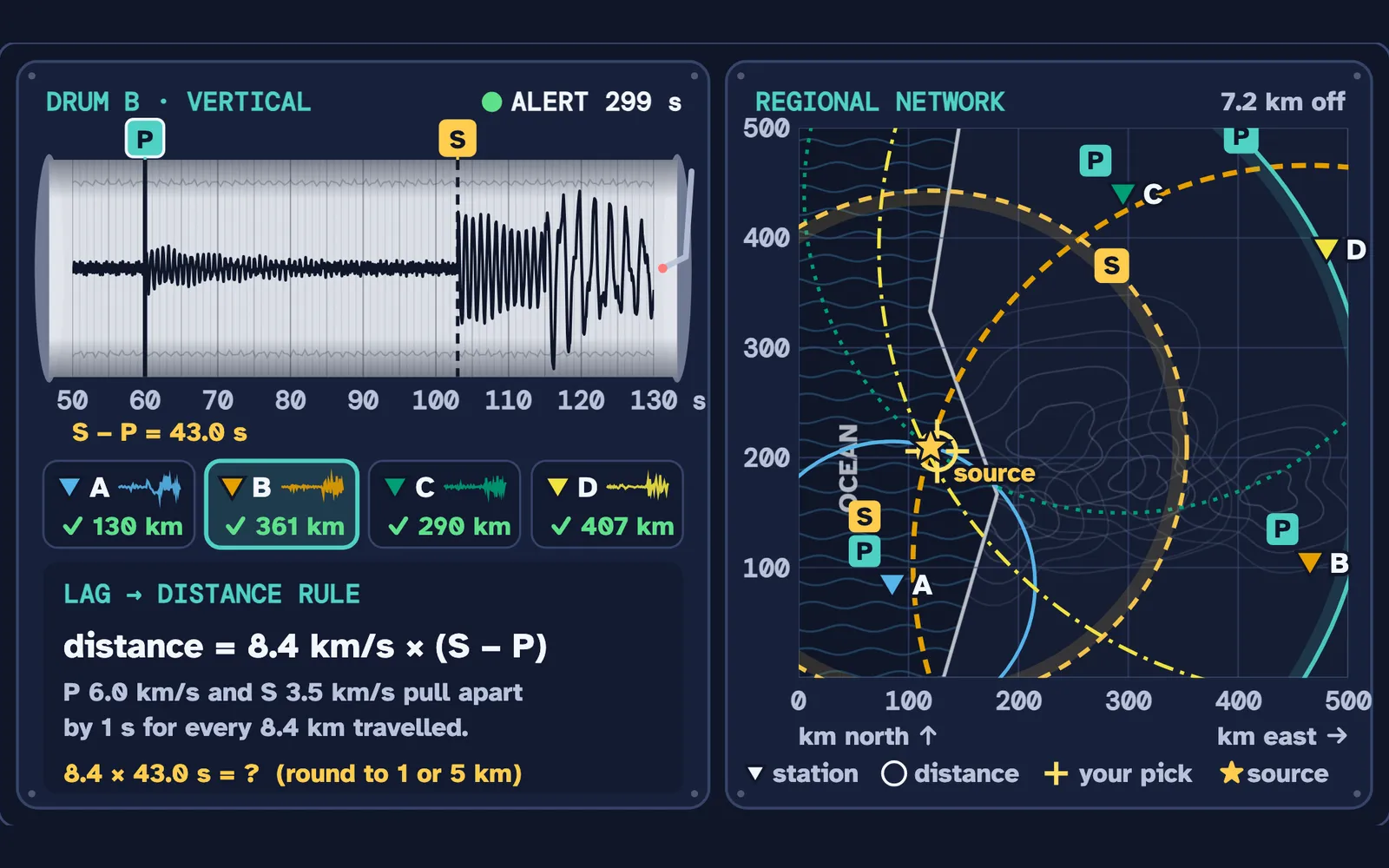 Arcade Game
Pick P and S waves on drum seismograms, turn each lag into a distance circle, and pin 25 regional quakes before the alert window closes.
Play Quake Locator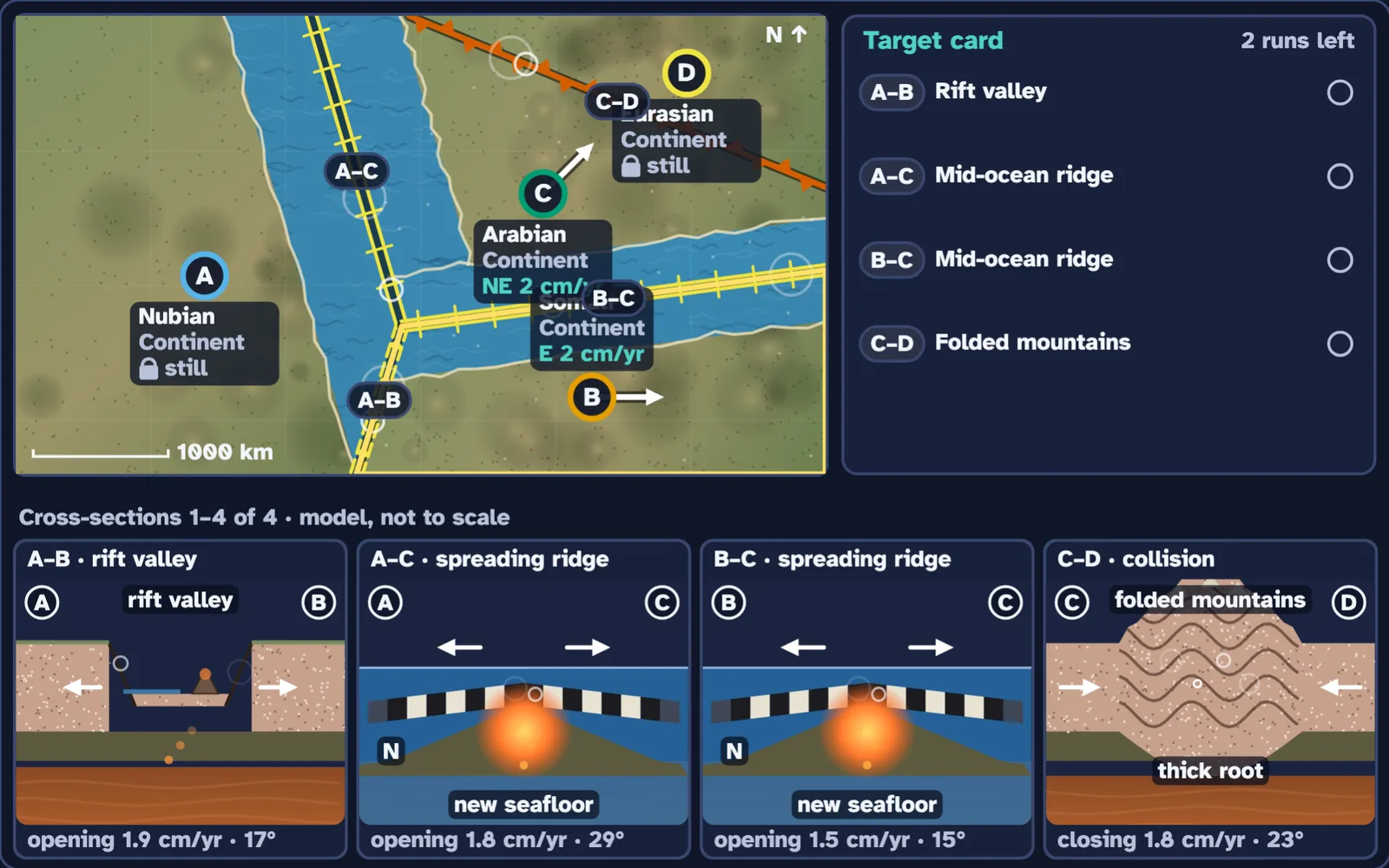 Arcade Game
Steer tectonic plates so every boundary builds the right landform: trenches, arcs, mountains, ridges, rifts and hotspot chains. 20 maps.
Play Plate Pilot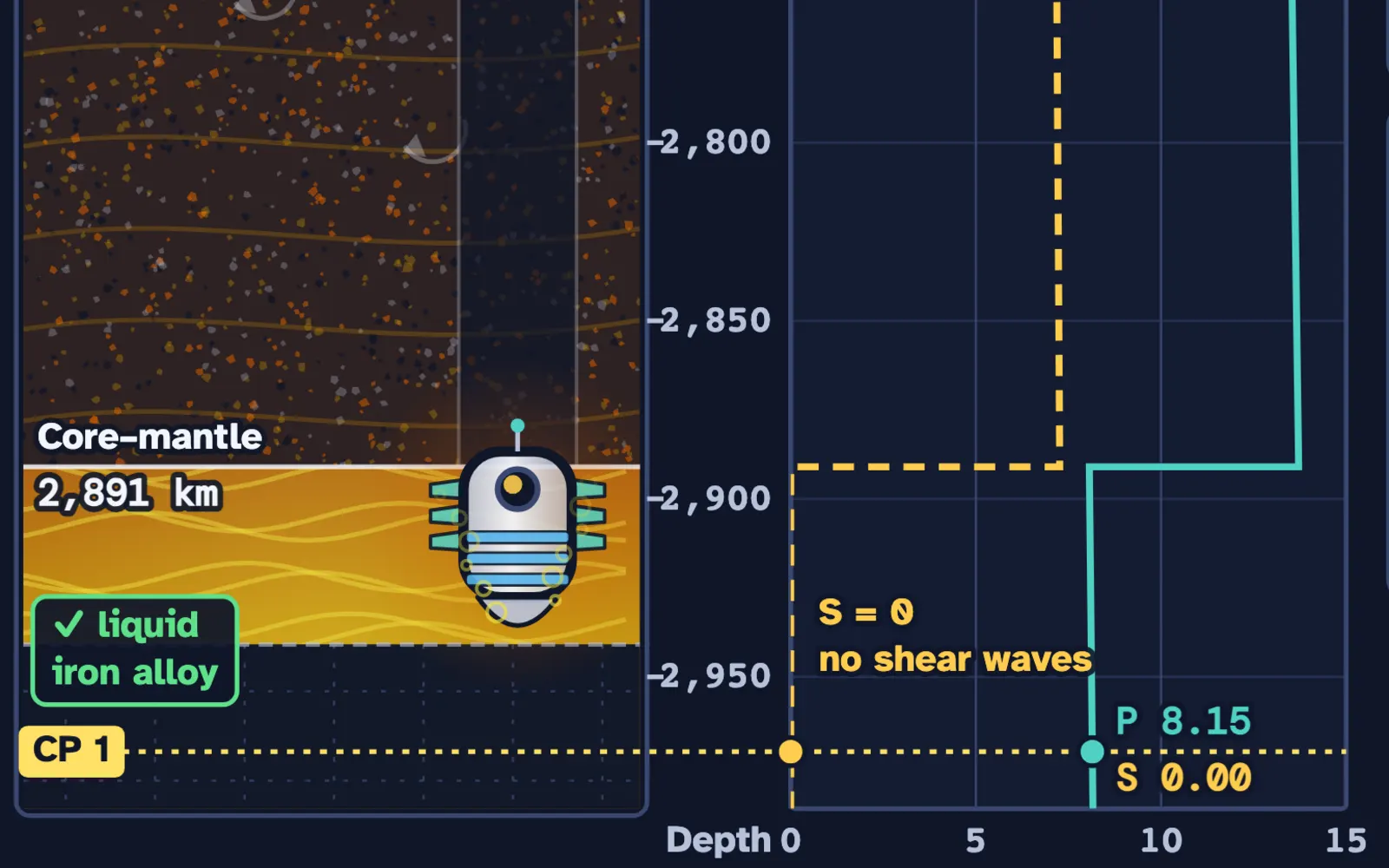 Arcade Game
Read P and S waves to forecast each layer, gear up a fantasy drill pod to survive it, and descend to Earth's center. 16 missions.
Play Core Driller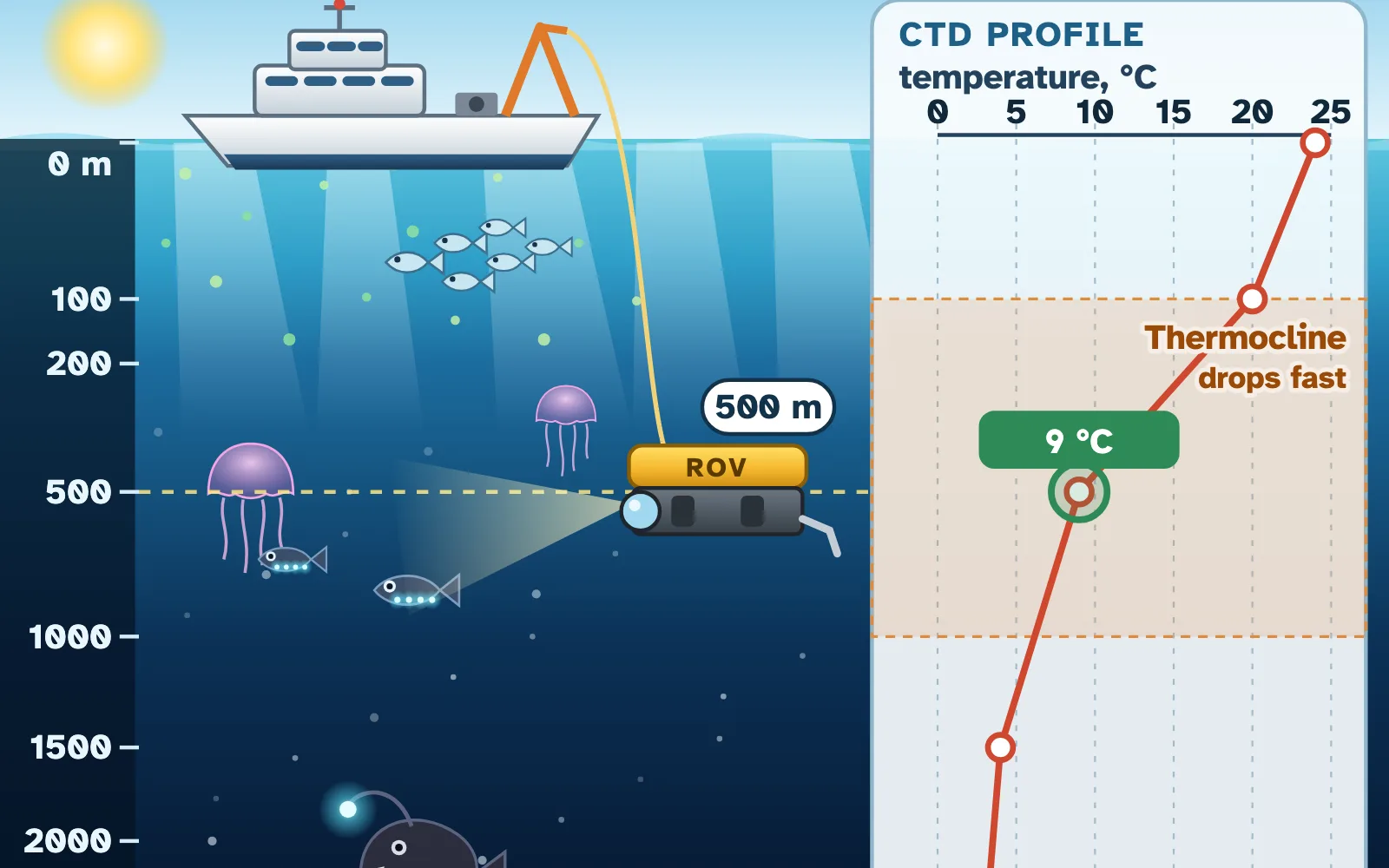 Practice
Run a research ship's dive desk: read the CTD temperature and salinity profile, name the light zone, and (AP) find the pressure on the ROV.
Launch Ocean Layers Dive Simulation
Explore gyres, the Coriolis effect, upwelling, density-driven circulation, and the AMOC with real climatology data.
Launch Currents: Ocean Circulation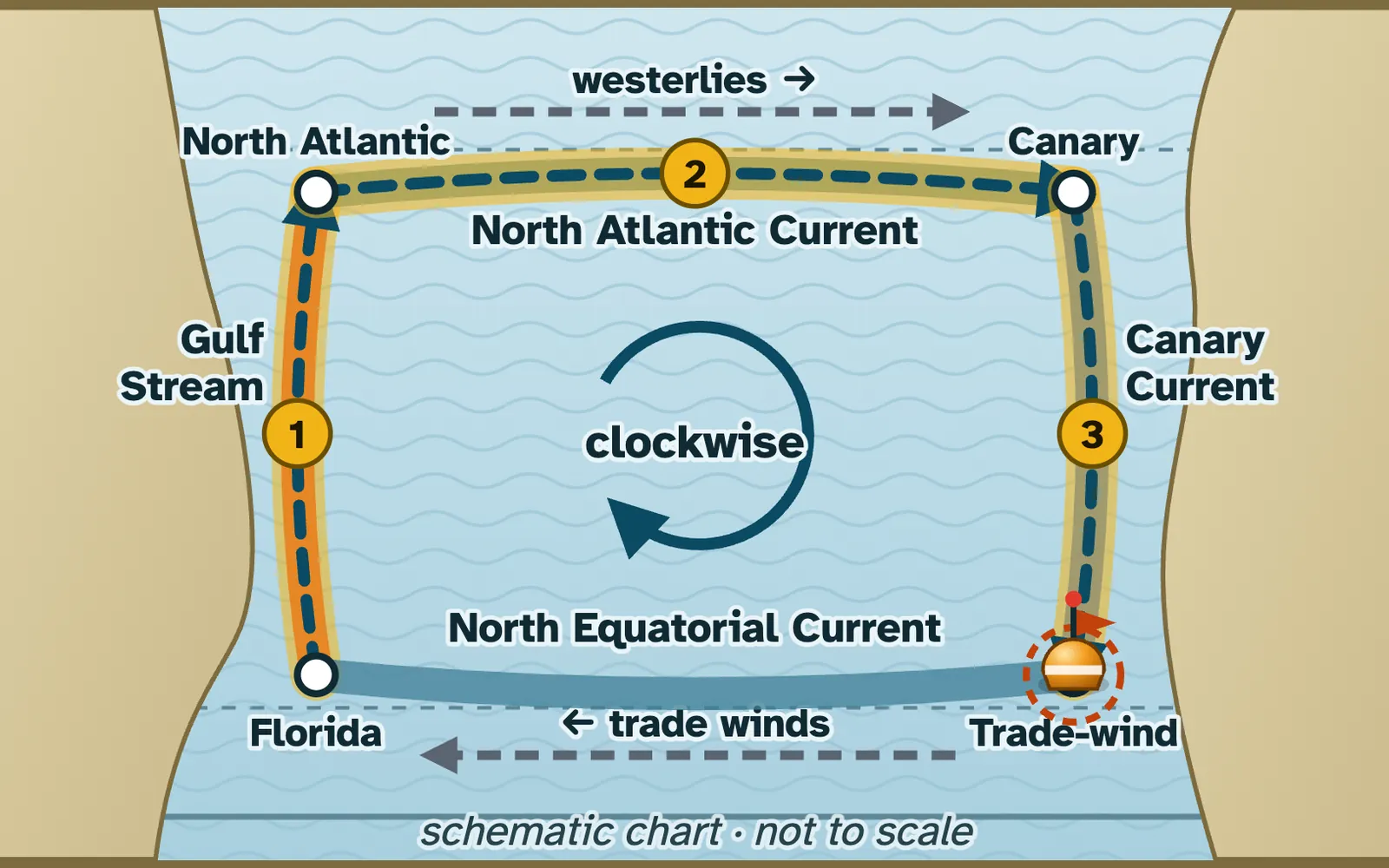 Practice
Run a research ship’s chart room: route drifter buoys around ocean gyres, say which way they turn, and test whether seawater sinks.
Launch Current Navigator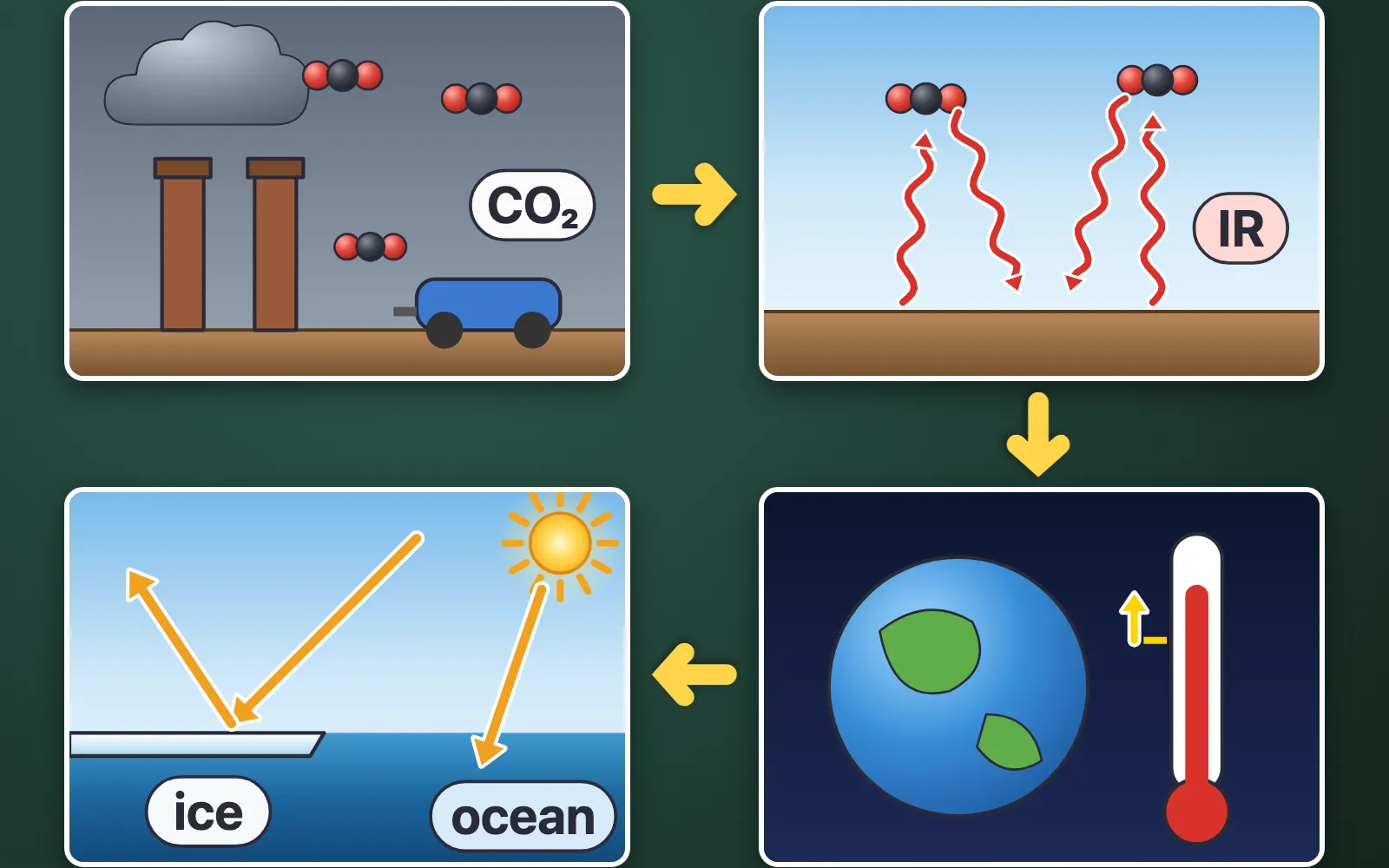 Practice
Put picture cards in cause-and-effect order, then find the missing link that explains why, across every General science unit.
Launch Cause & Effect Chains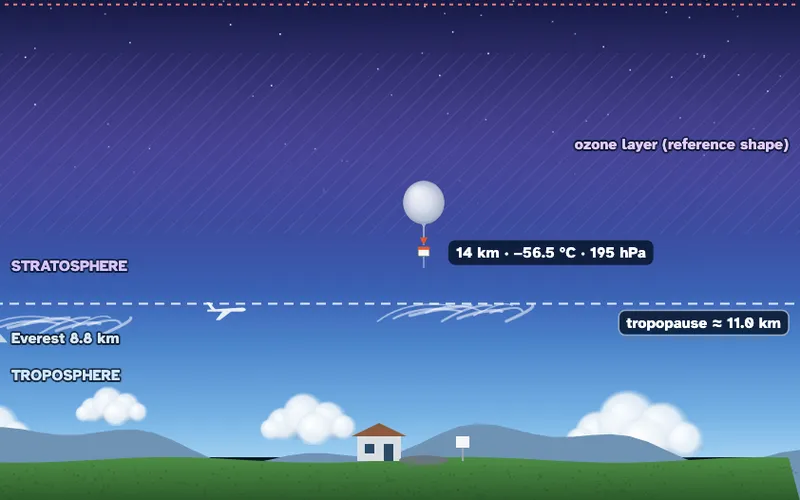 Lab
Fly a weather balloon to 32 km: record temperature and pressure, find the tropopause, watch it swell and burst, compare tropics and poles.
Launch Weather Balloon Ascent Lab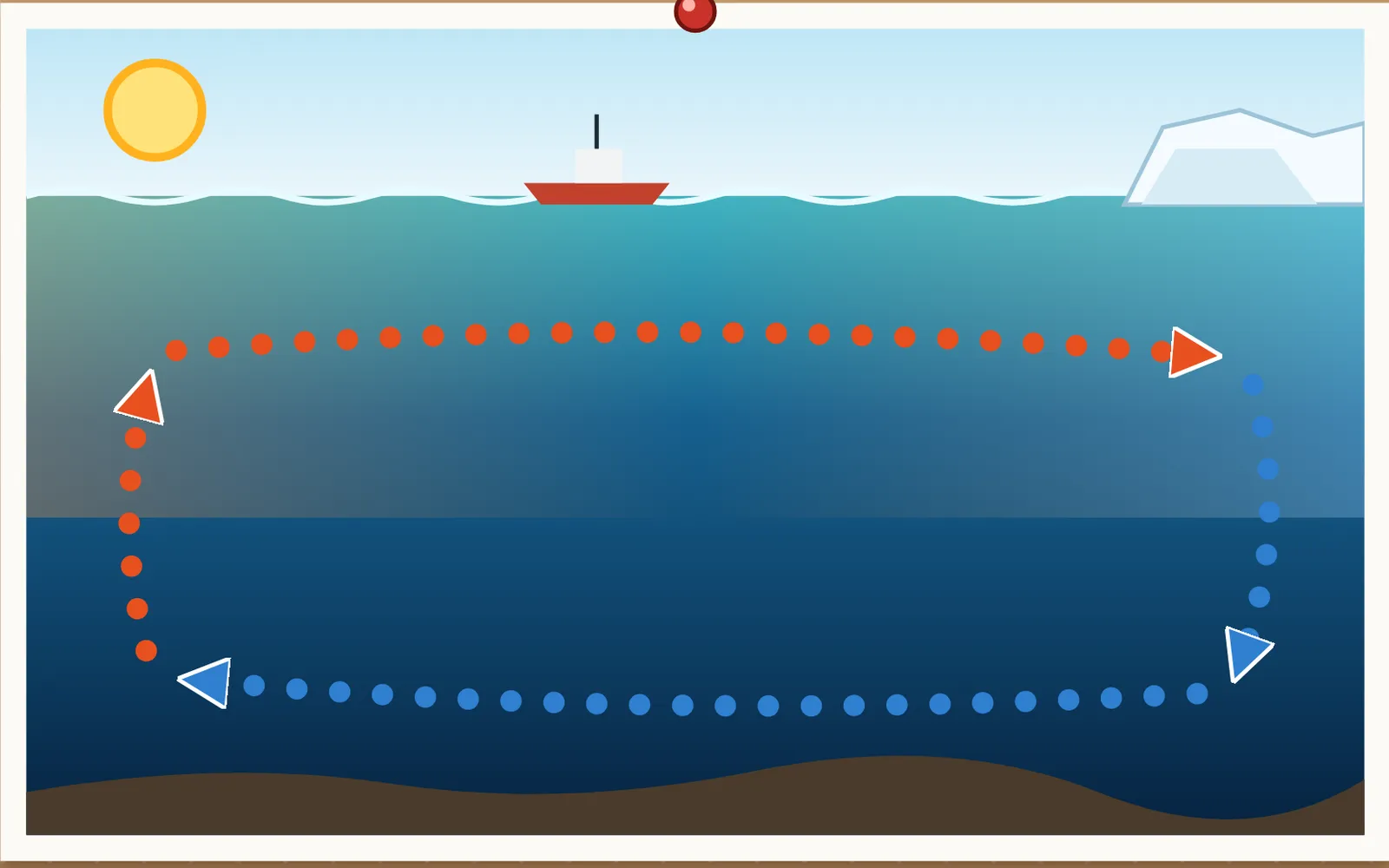 Practice
Crack thermal cases in kitchens, skies and oceans: name conduction, convection or radiation, track heat warmer to cooler and time slab flow.
Launch Heat Transfer Detective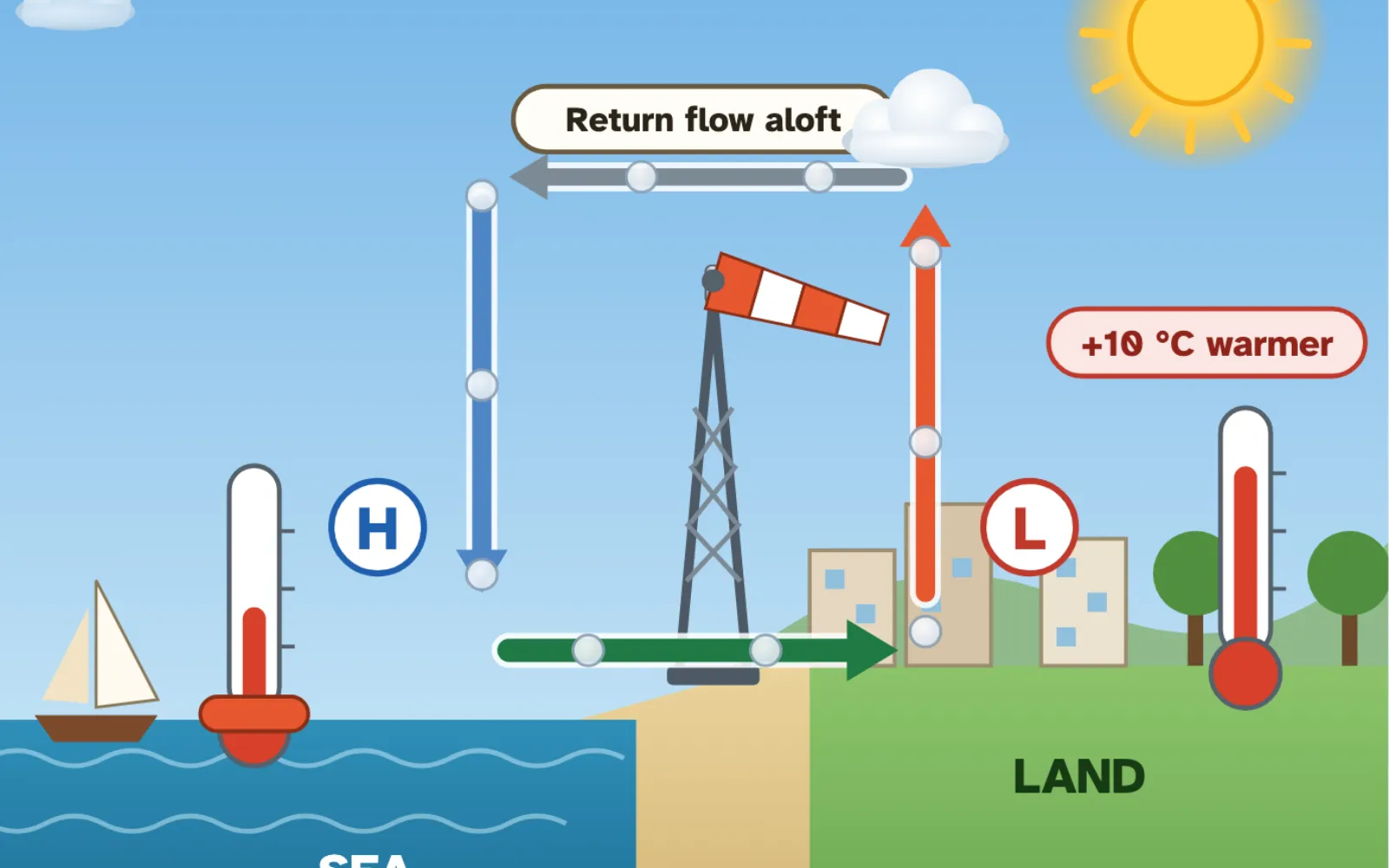 Practice
Read two barometers to set the pressure push, call the sea or land breeze by day or night, and (AP) spiral winds around highs and lows.
Launch Air Pressure & Wind Station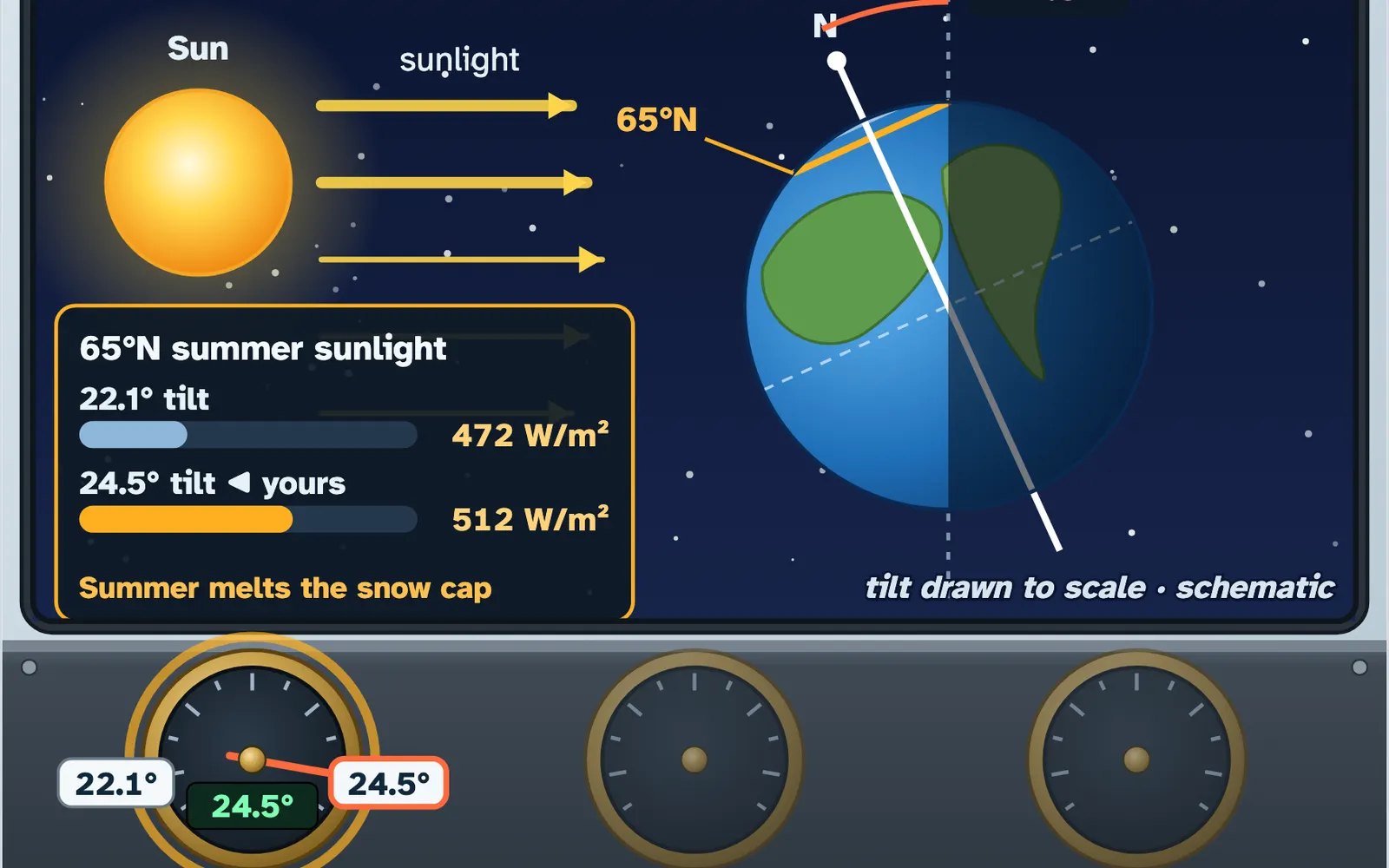 Practice
Run a polar station's orbital console: turn tilt, orbit-shape and wobble dials to see when Arctic snow survives summer.
Launch Milankovitch Dials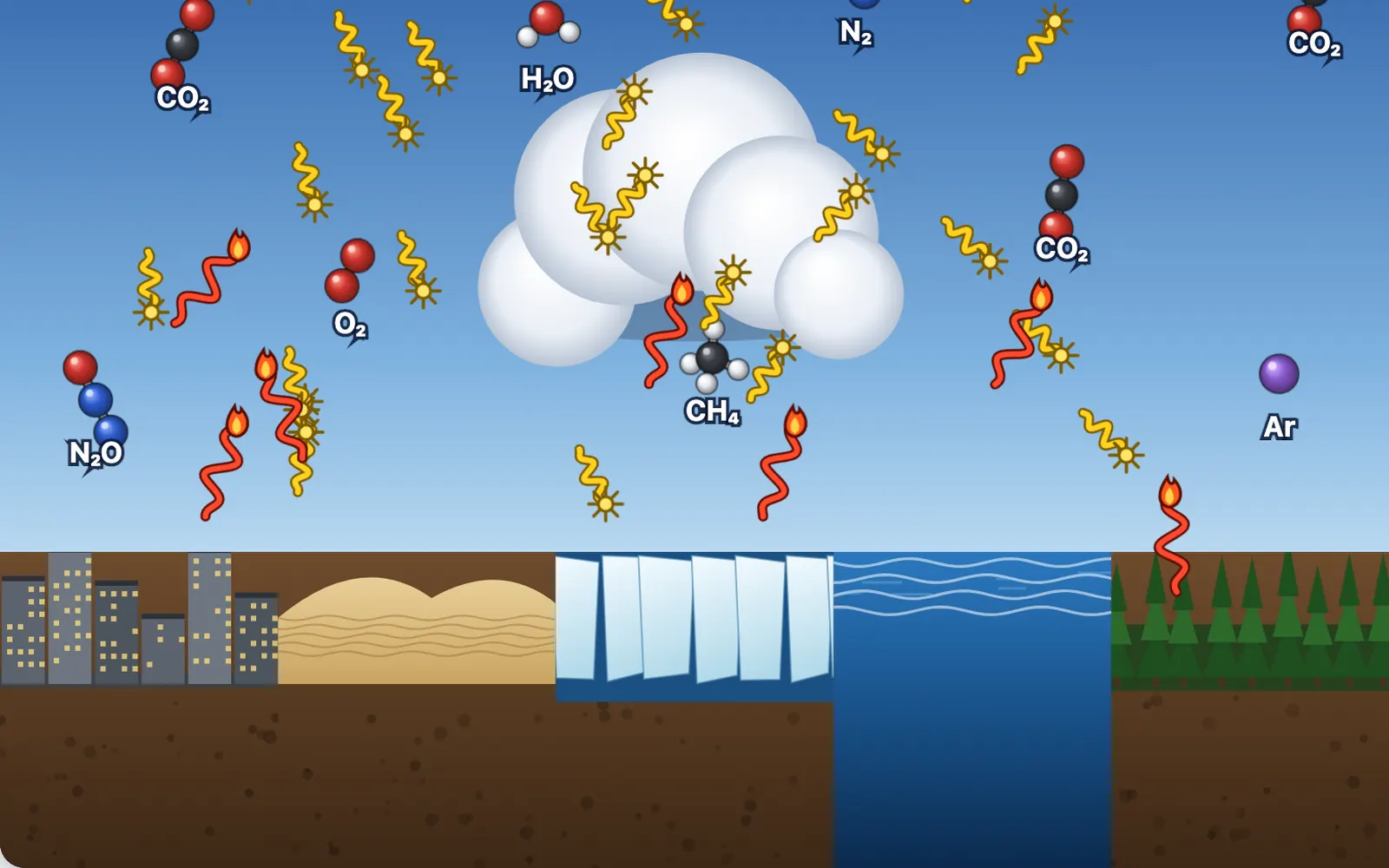 Practice
Be the energy bouncer at Earth's front door: route sunlight and infrared photons, rank albedo and keep the energy budget balanced.
Launch Greenhouse Photon Bouncer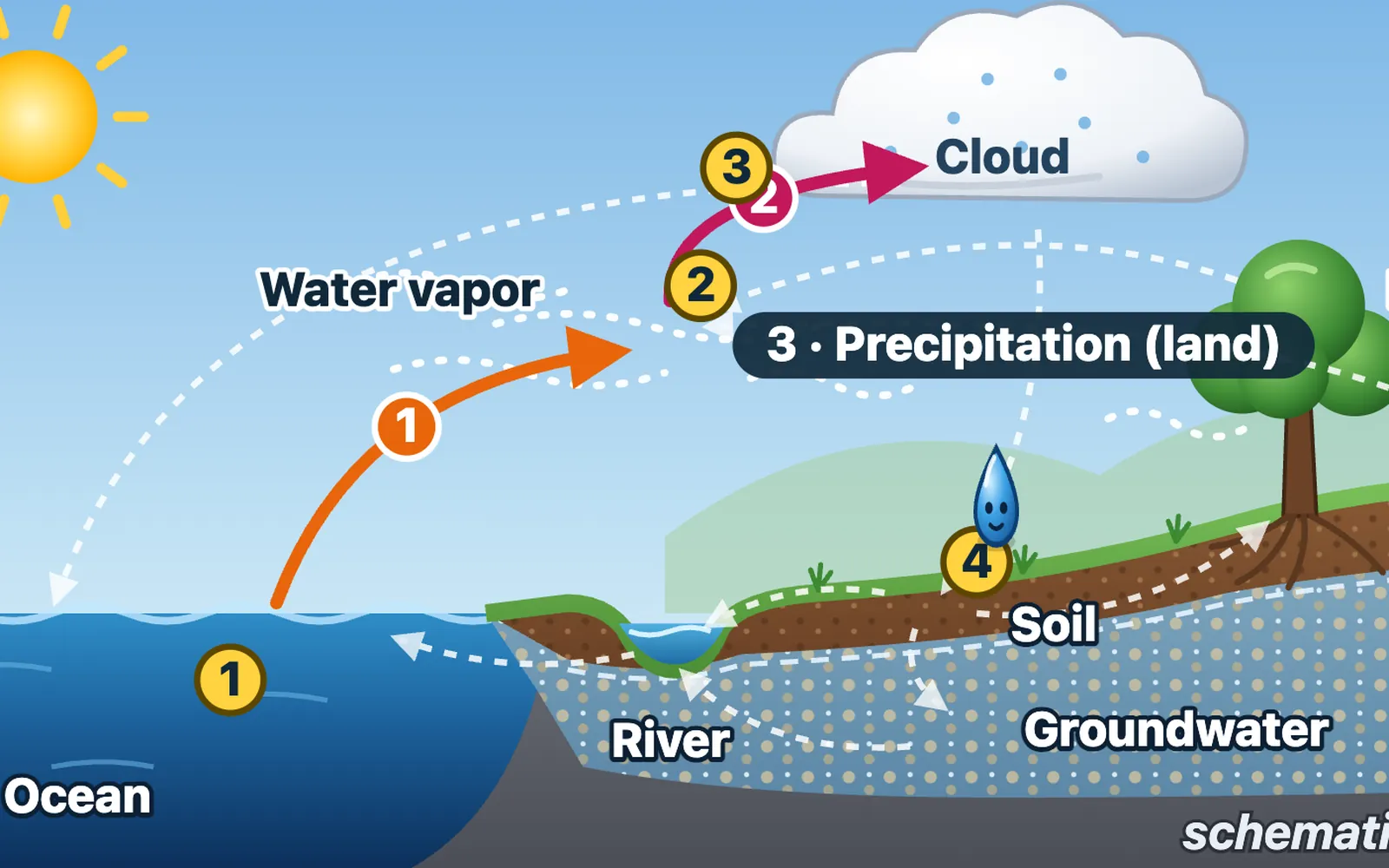 Practice
Plot a tagged water molecule's trip through the water cycle: name each leg's process and state change, and compare residence times.
Launch Water Droplet Journey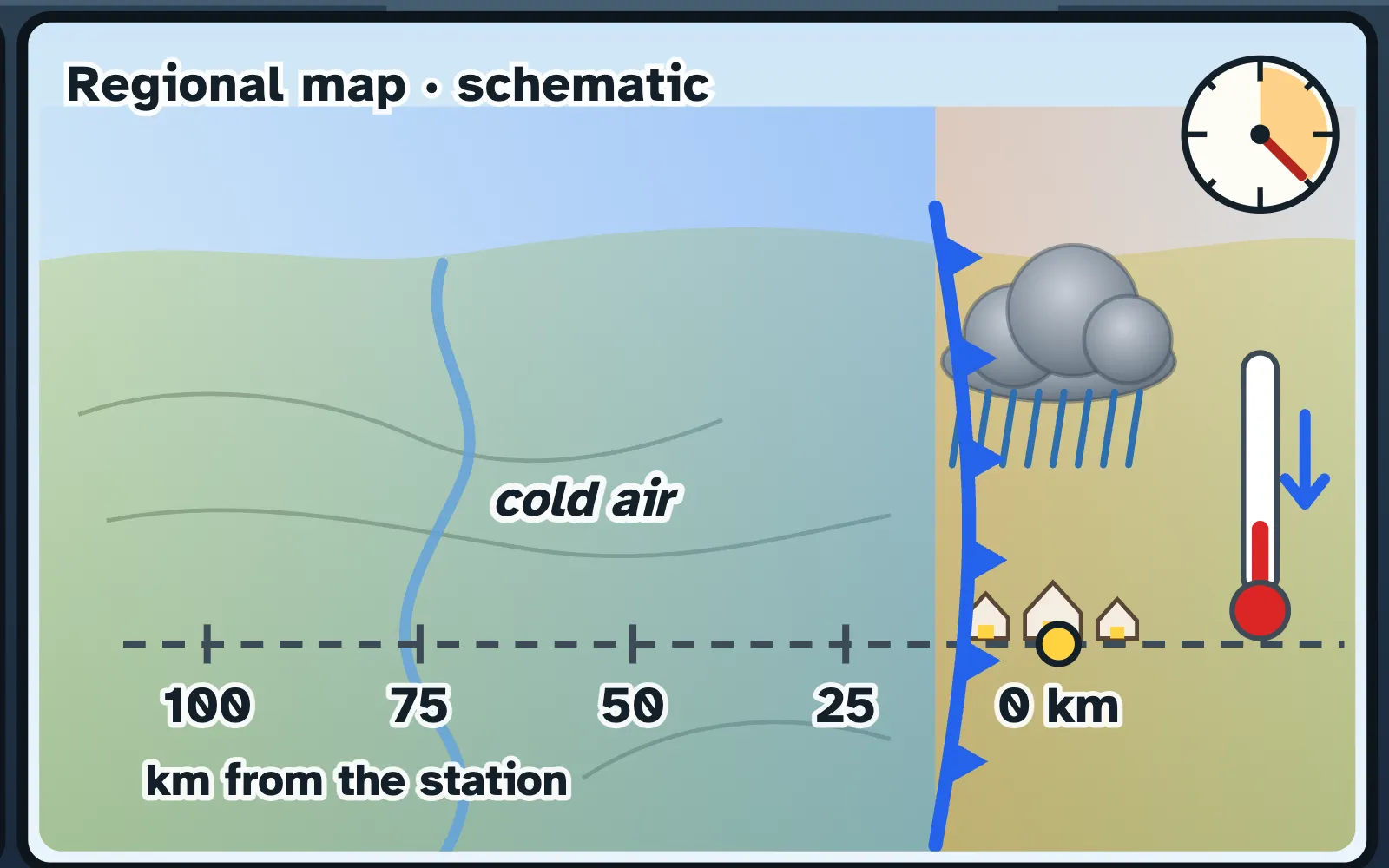 Practice
Decode a station plot's pressure and wind barbs, name the front on the map, run a 24-hour front clock and put the outlook on air.
Launch Weather Desk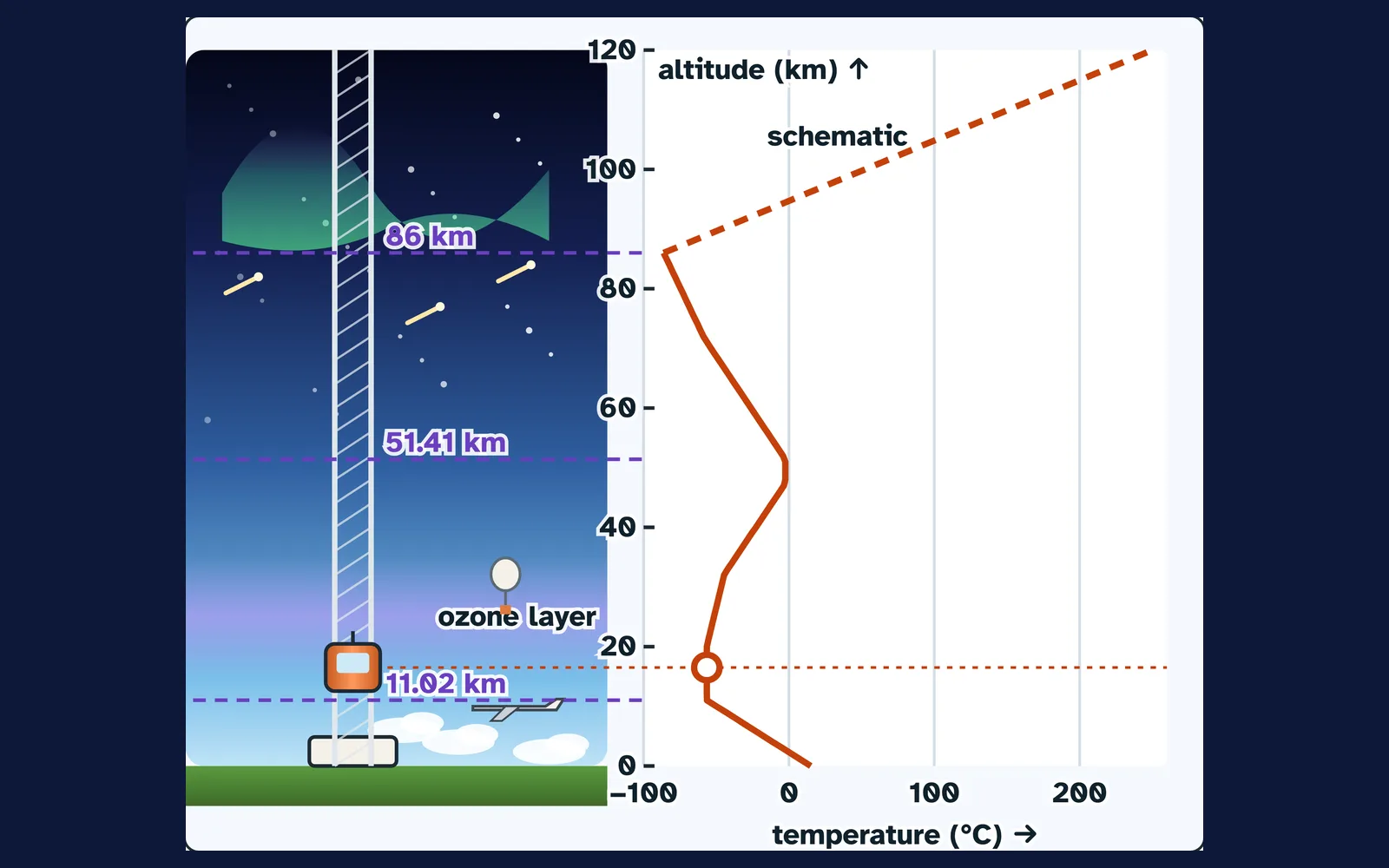 Practice
Ride an elevator to 120 km: read the temperature, name each layer of the atmosphere and what heats it, and estimate the pressure.
Launch Atmosphere Elevator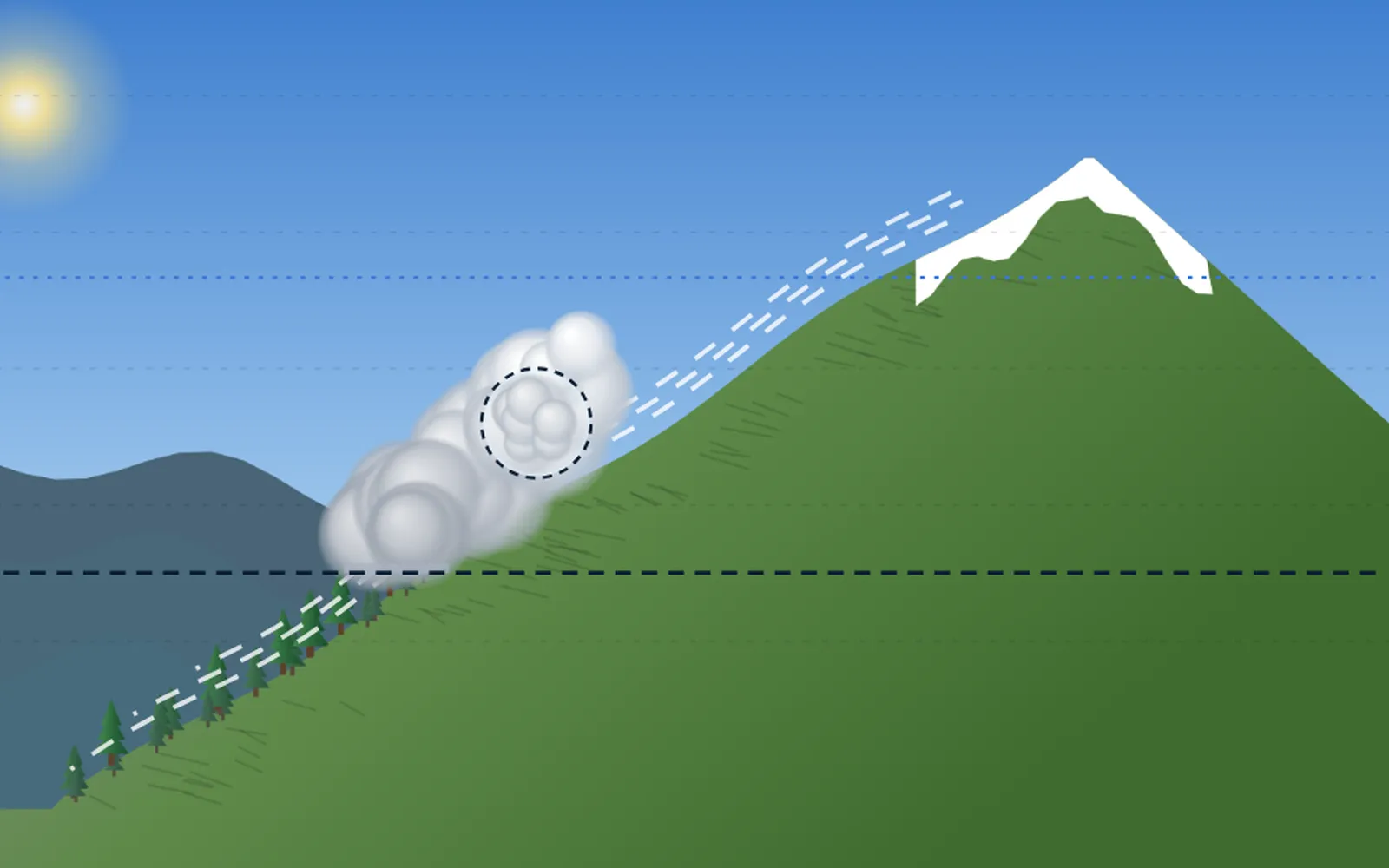 Lab
Chill a cup until dew forms to find the dew point, lift air up a mountain until a cloud forms, and keep a lake's water budget.
Launch Water Cycle & Weather Lab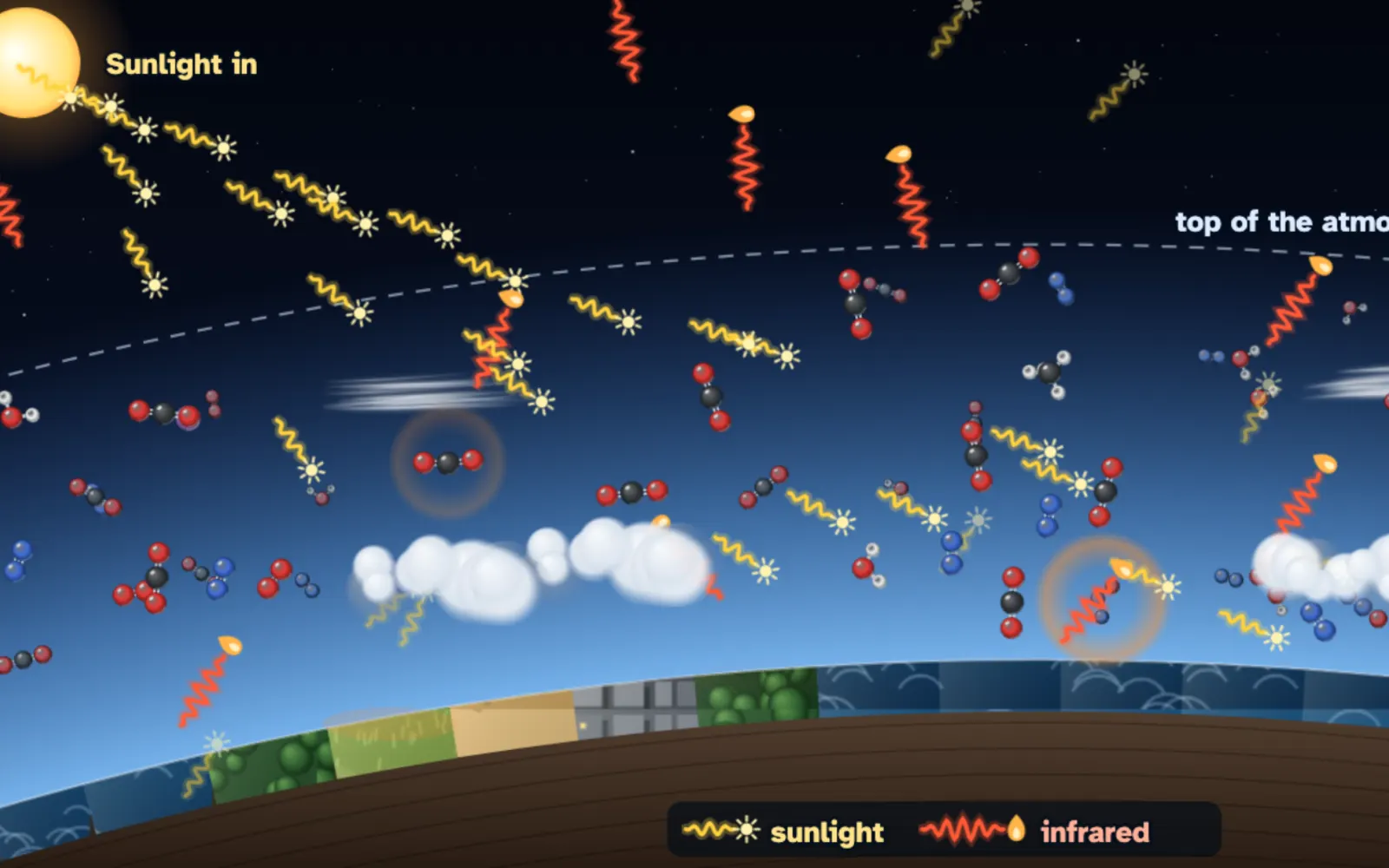 Lab
Follow sunlight in and heat out, find which gases trap infrared, then test the model against real CO₂ and temperature data.
Launch Greenhouse Effect & Climate Lab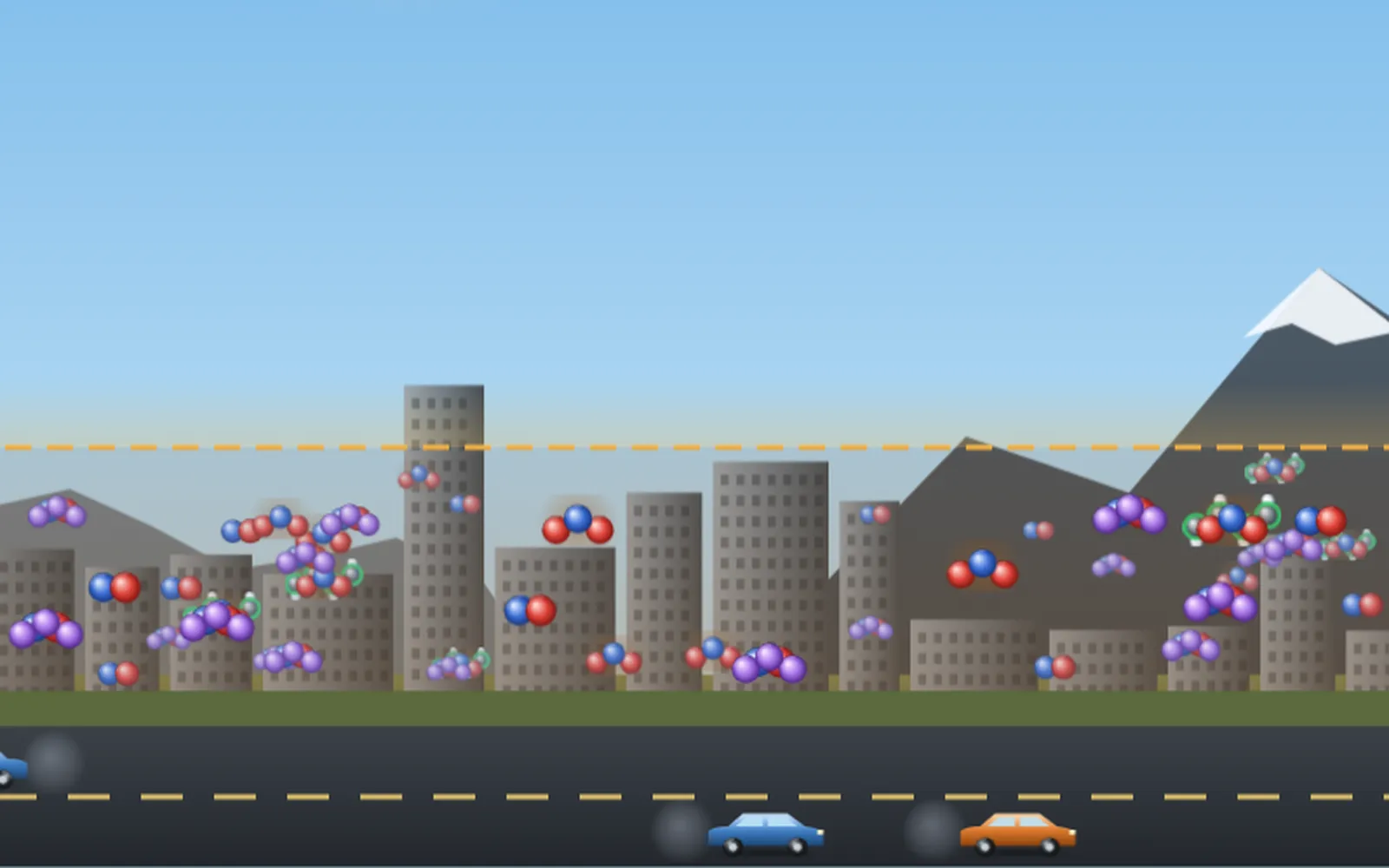 Lab
Watch smog build over a model day, trap pollution under an inversion lid, filter particles and turn monitor readings into an AQI.
Launch Air Quality Lab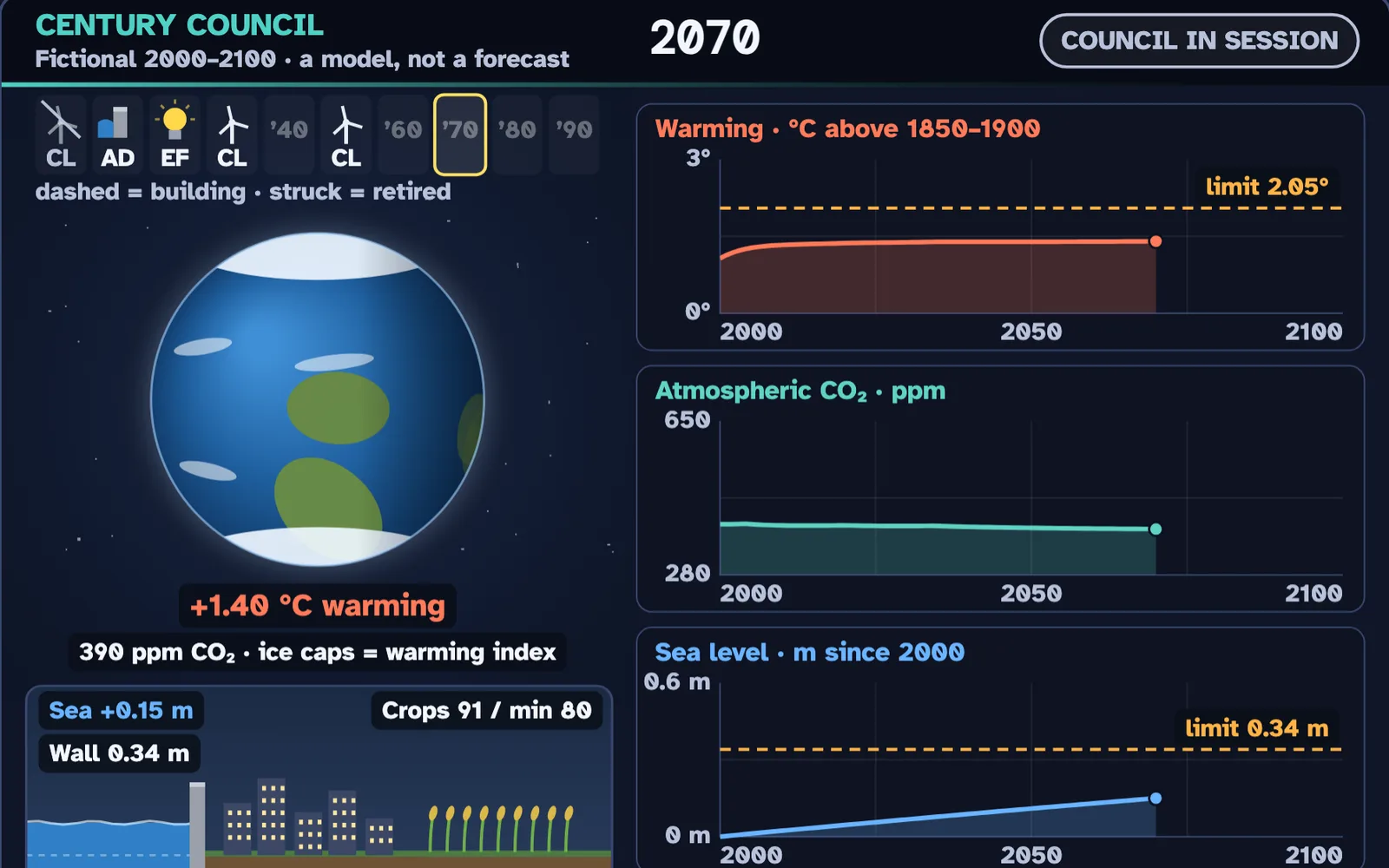 Arcade Game
Run a century council from 2000 to 2100: fund clean energy, forests and sea walls, then watch CO₂, warming and the sea respond. 30 levels.
Play Climate Control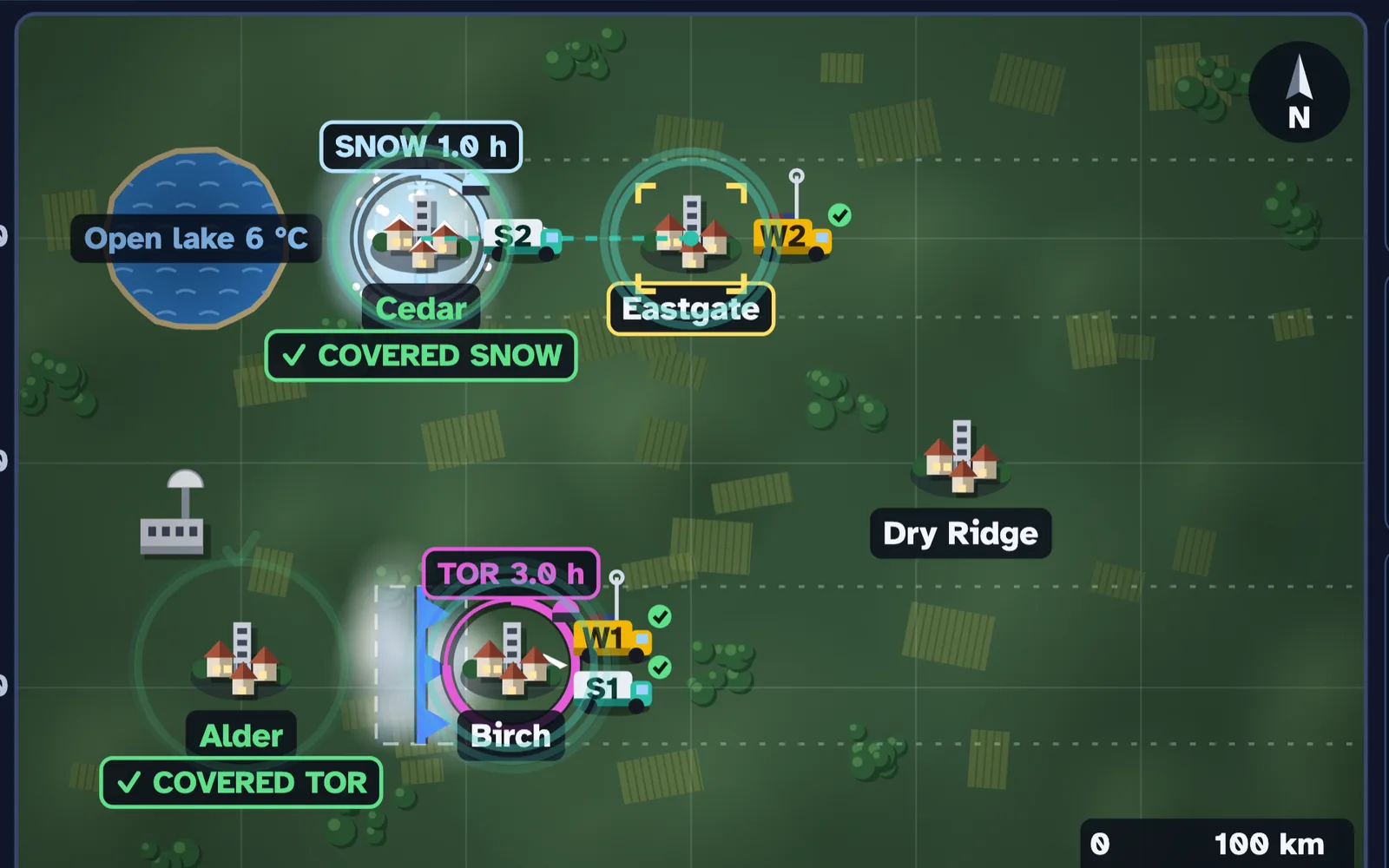 Arcade Game
Run a weather desk: read each town's air, follow the moving front and send teams to issue the right bulletin before impact. 20 levels.
Play Storm Chaser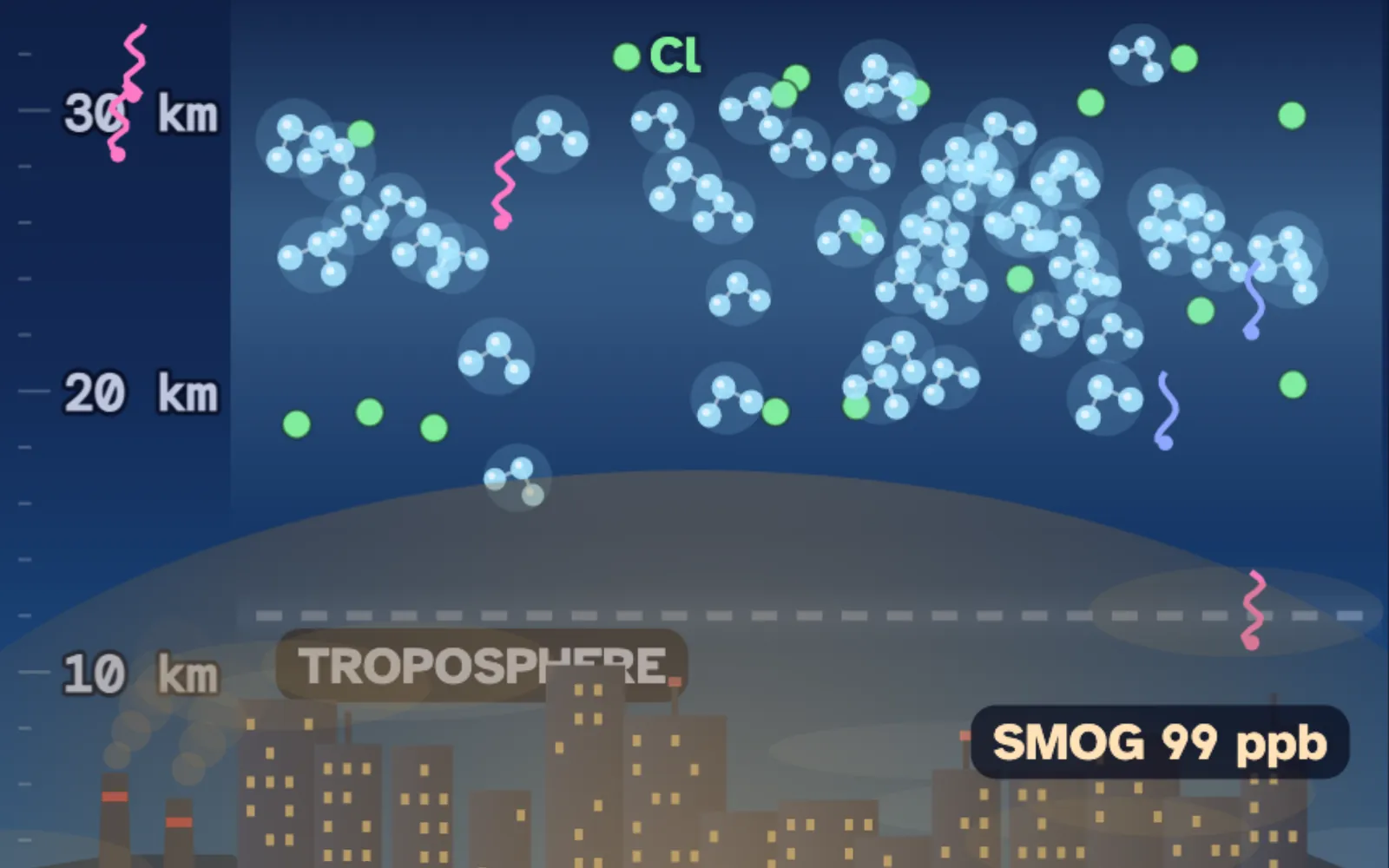 Arcade Game
Run the sky decade by decade: swap CFCs for safer chemicals, beat the time lags to heal the ozone hole, and clear the smog over the city.
Play Ozone Guardian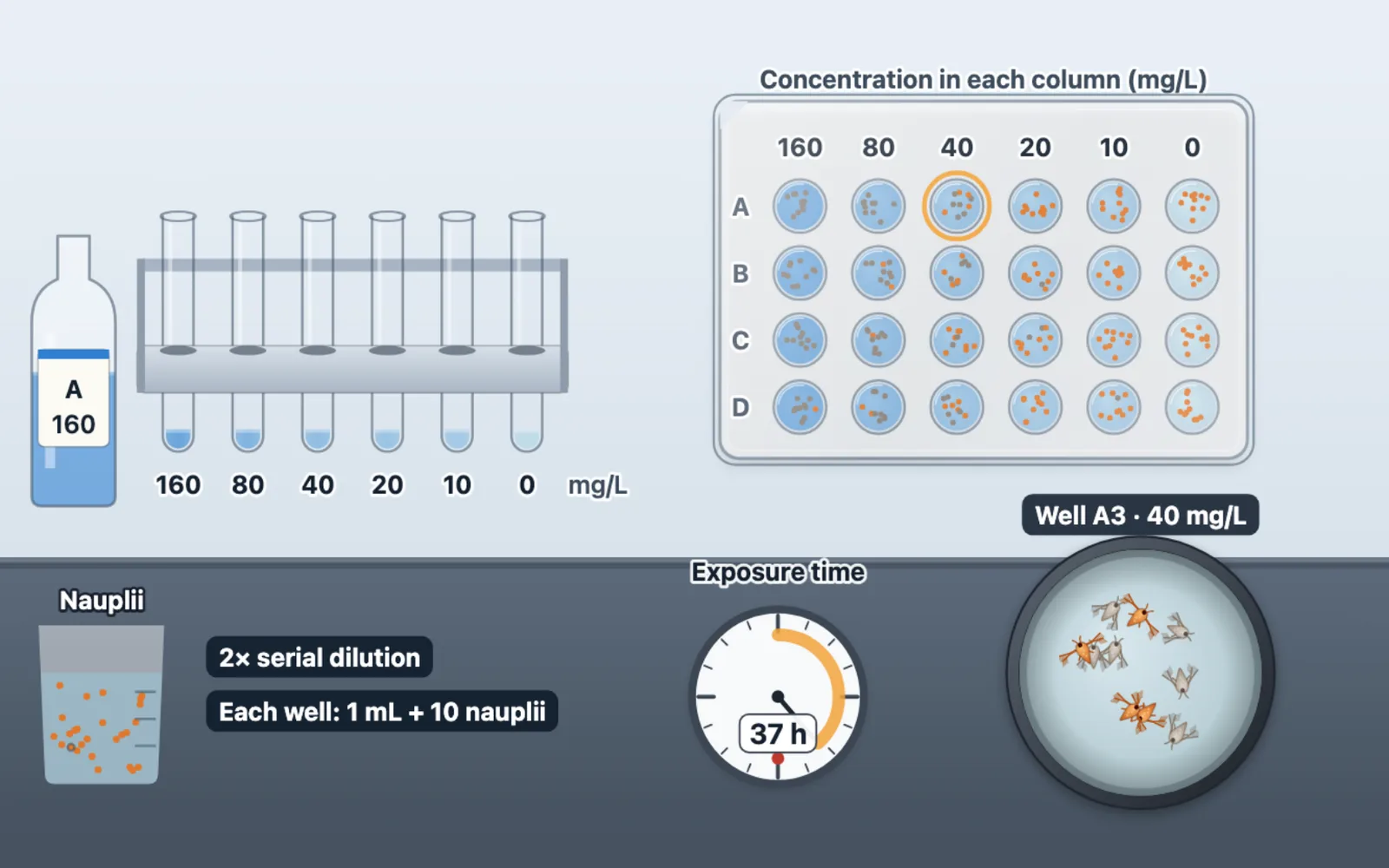 Lab
Make a serial dilution, expose brine shrimp in a well plate, count the dead and read LC50s from dose-response curves.
Launch Toxicology Dose-Response Lab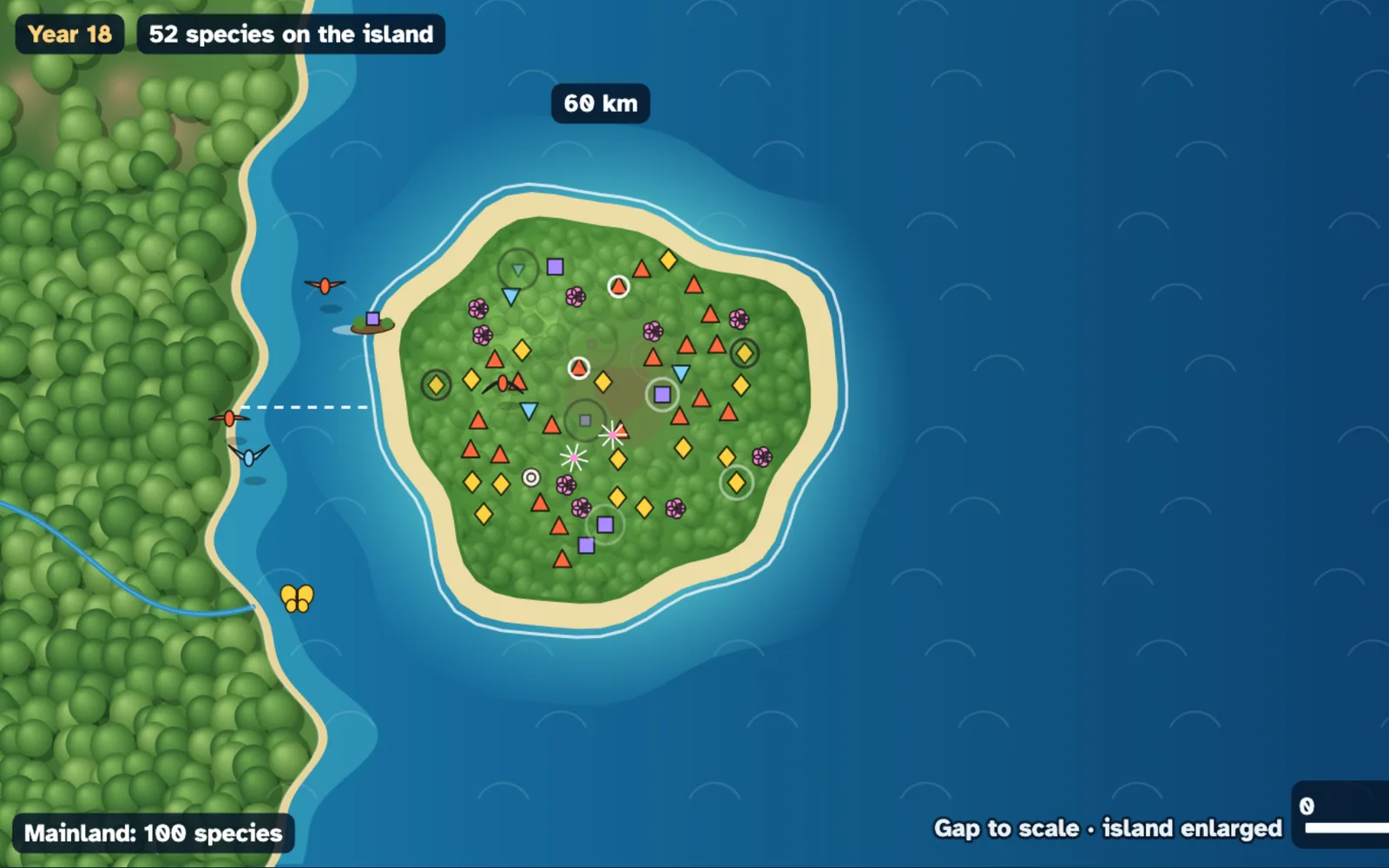 Lab
Colonise islands of different size and distance, read where immigration meets extinction, and test corridors between forest fragments.
Launch Island Biogeography Lab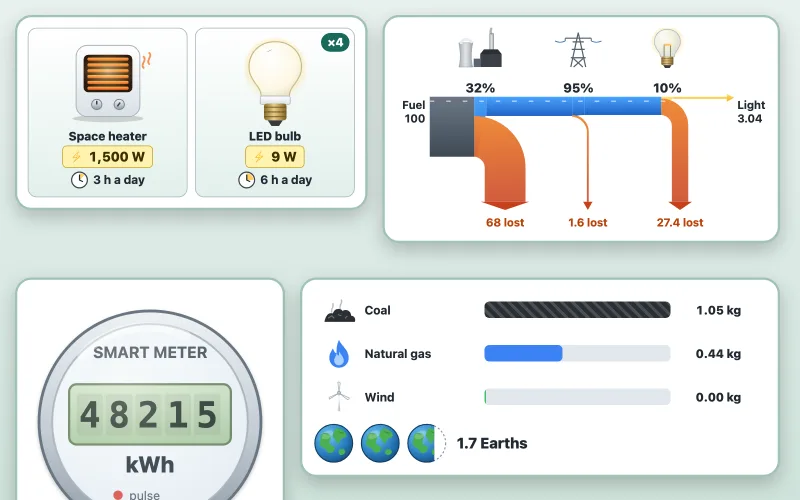 Practice
Audit homes and schools: kWh from watts, bills, CO₂ by source, efficiency chains, upgrade payback and ecological footprints.
Launch Ecological Footprint & Energy Audit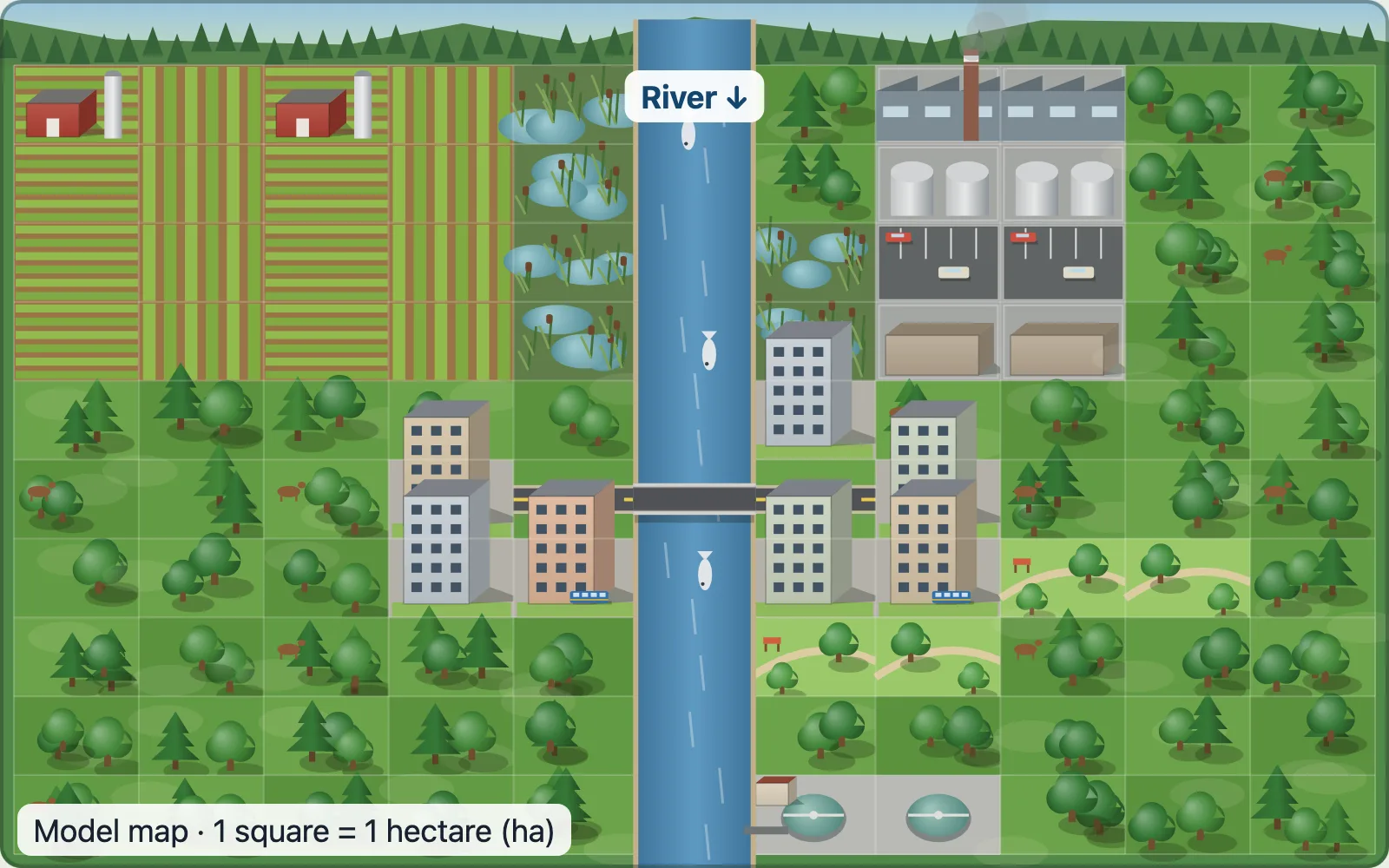 Lab
Plan homes, farms and wetlands in a river valley, run a year of rain, and see how people and land use change the river.
Launch Human Impact Town Planner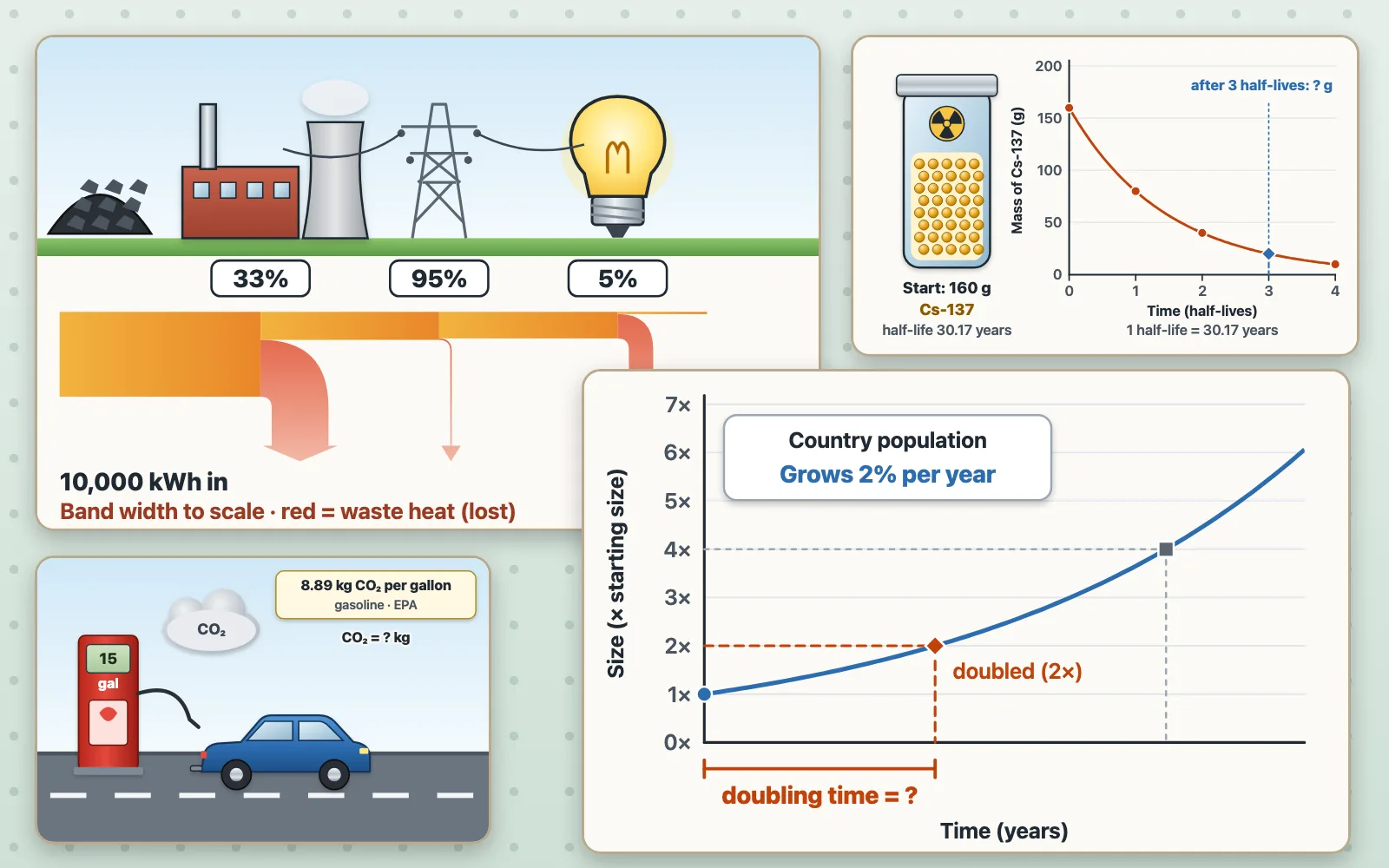 Practice
AP Environmental Science math: percent change, per capita, rule of 70, half-life, kWh → $, gallons → CO₂, efficiency chains.
Launch APES Math Drills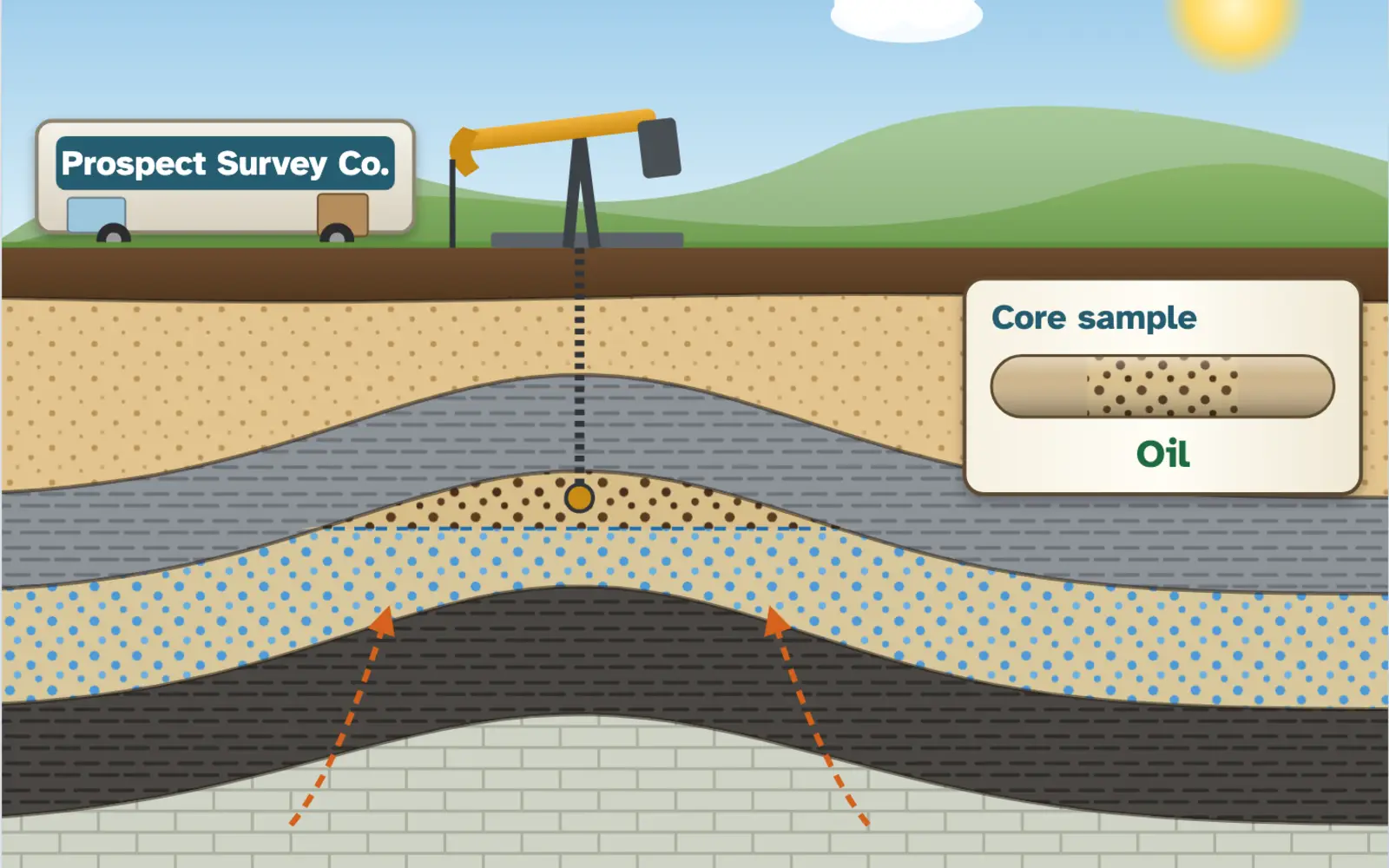 Practice
Read rock clues to find coal, oil, groundwater or copper ore, pick where to drill, and decide which resources renew on a human timescale.
Launch Resource Prospector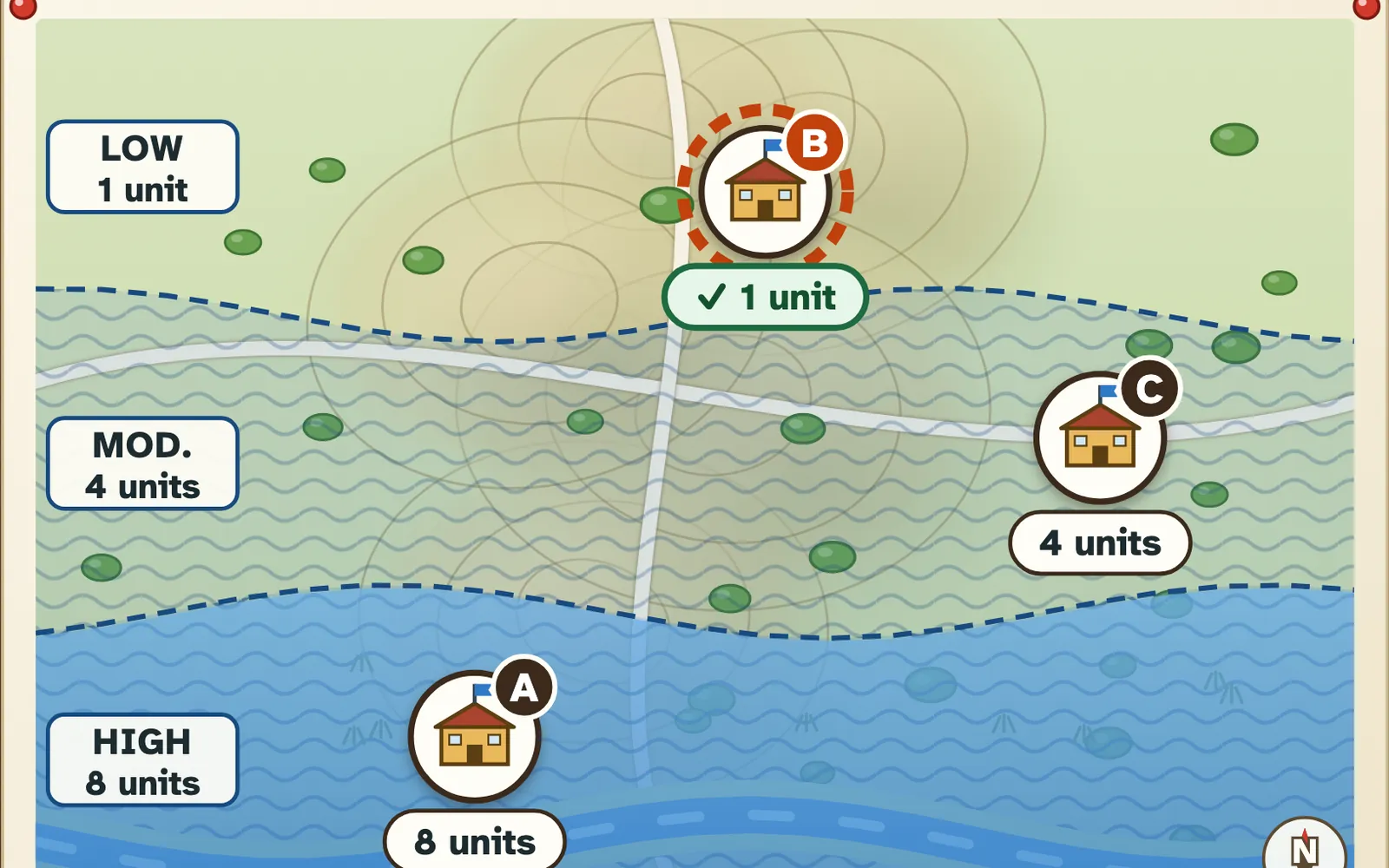 Practice
Read flood, fault, volcano and wildfire hazard maps, site schools and hospitals where exposure is lowest and match each fix.
Launch Hazard Mapper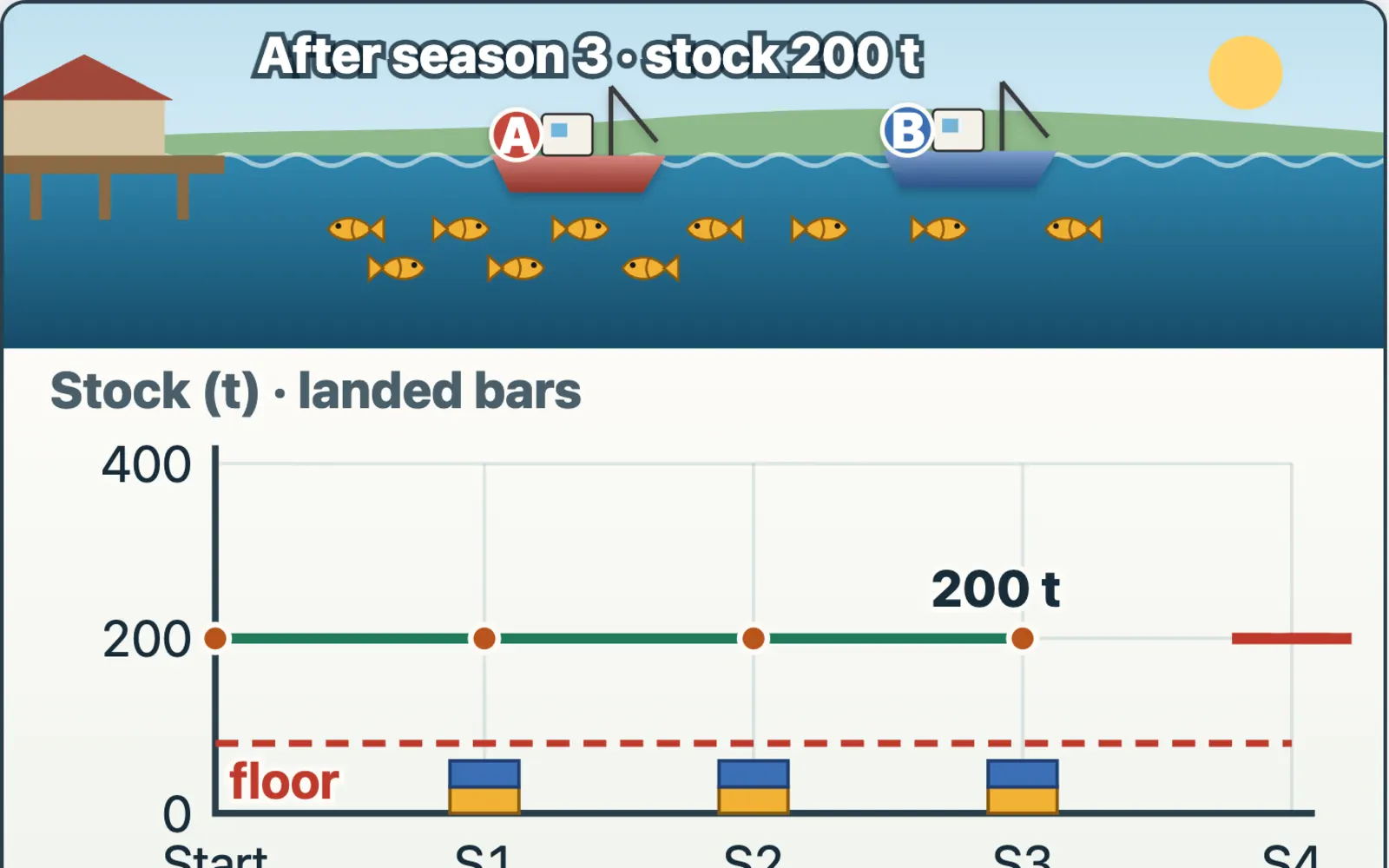 Practice
Find a stock's replenishment peak, plan fishing quotas, audit bycatch, lay out a forest harvest and set a shared-stock cap.
Launch Sustainable Harvest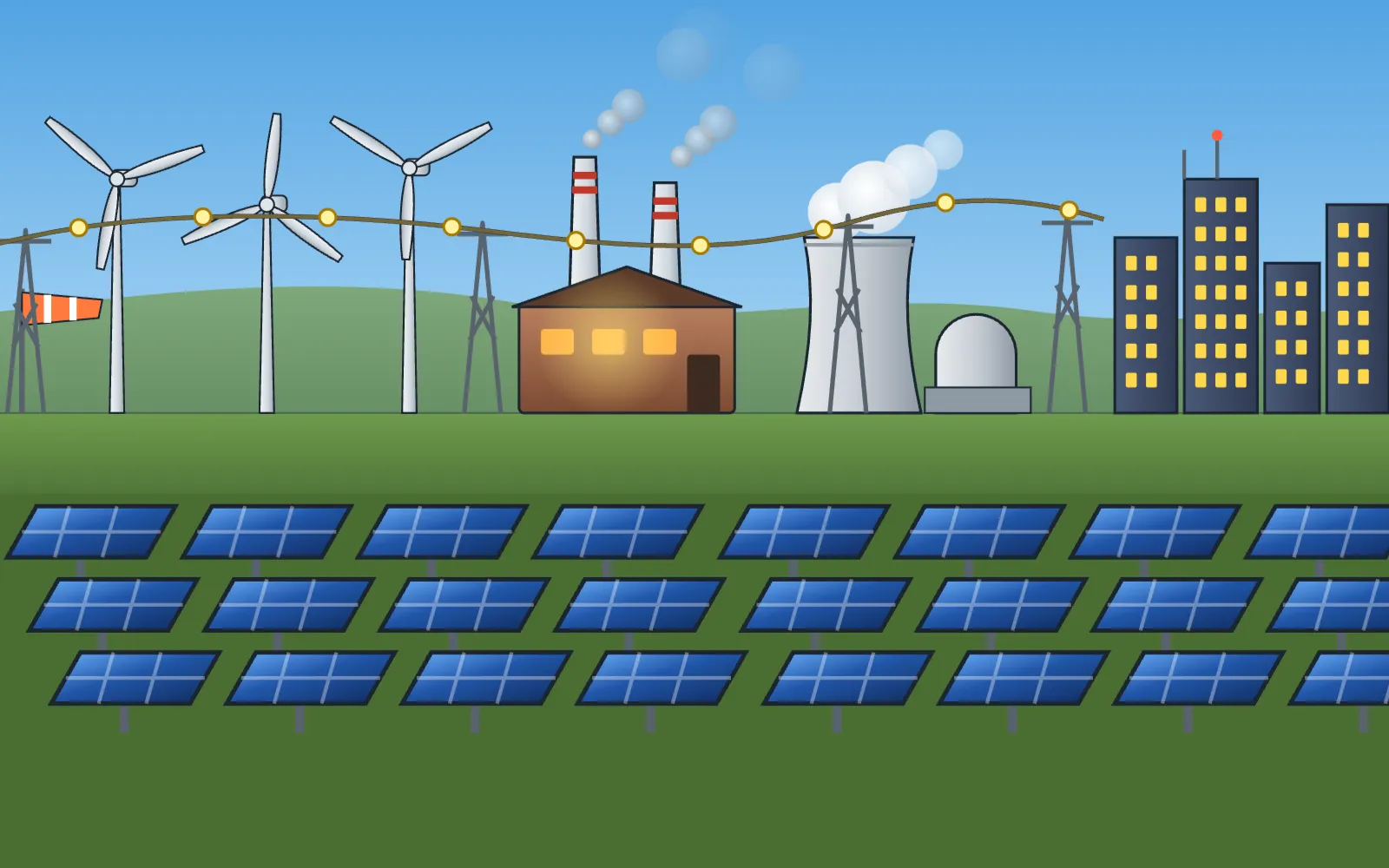 Practice
Dispatch solar, wind, gas and nuclear to meet a city's demand for one hour, keep a reserve for a wind drop and total the emissions.
Launch Power Grid Manager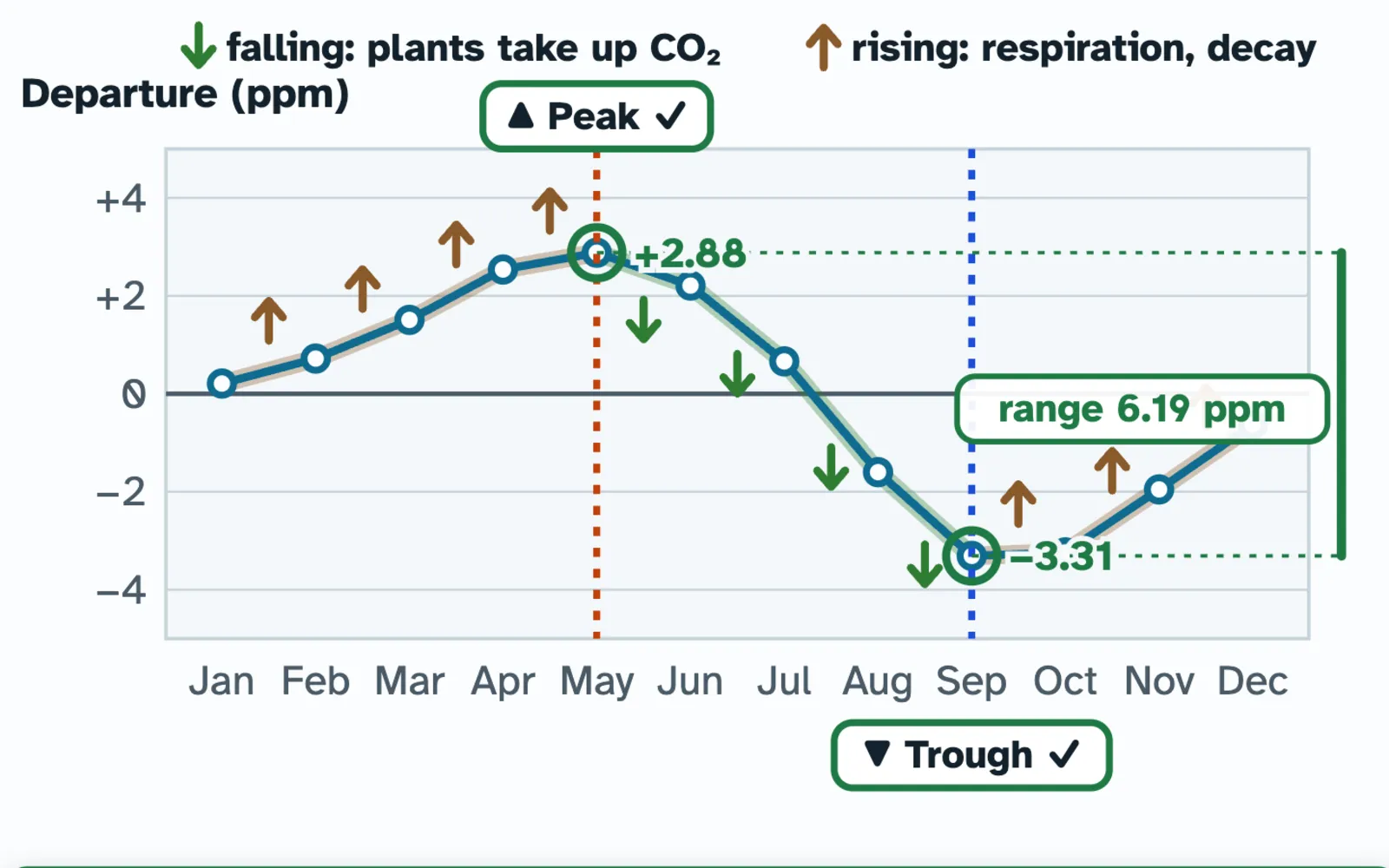 Practice
Staff the Mauna Loa data desk: split the seasonal CO₂ cycle from the long-term rise in real records, then find rates and what-if projections
Launch Climate Data Analyst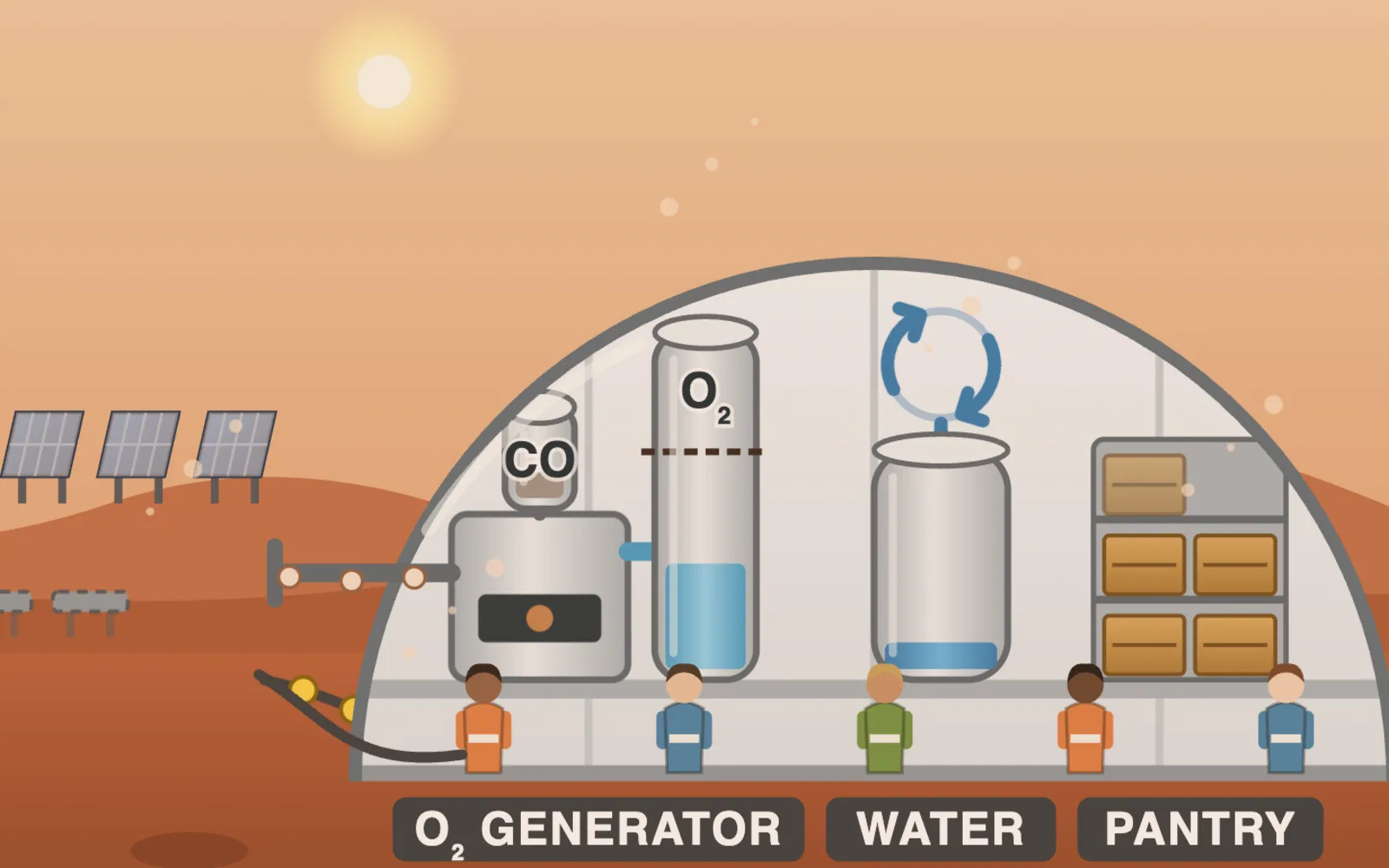 Practice
Run life support on Mars: set oxygen, water recovery, food and solar kits, then run one Earth day and balance the life-support ledger.
Launch Mars Base Life Support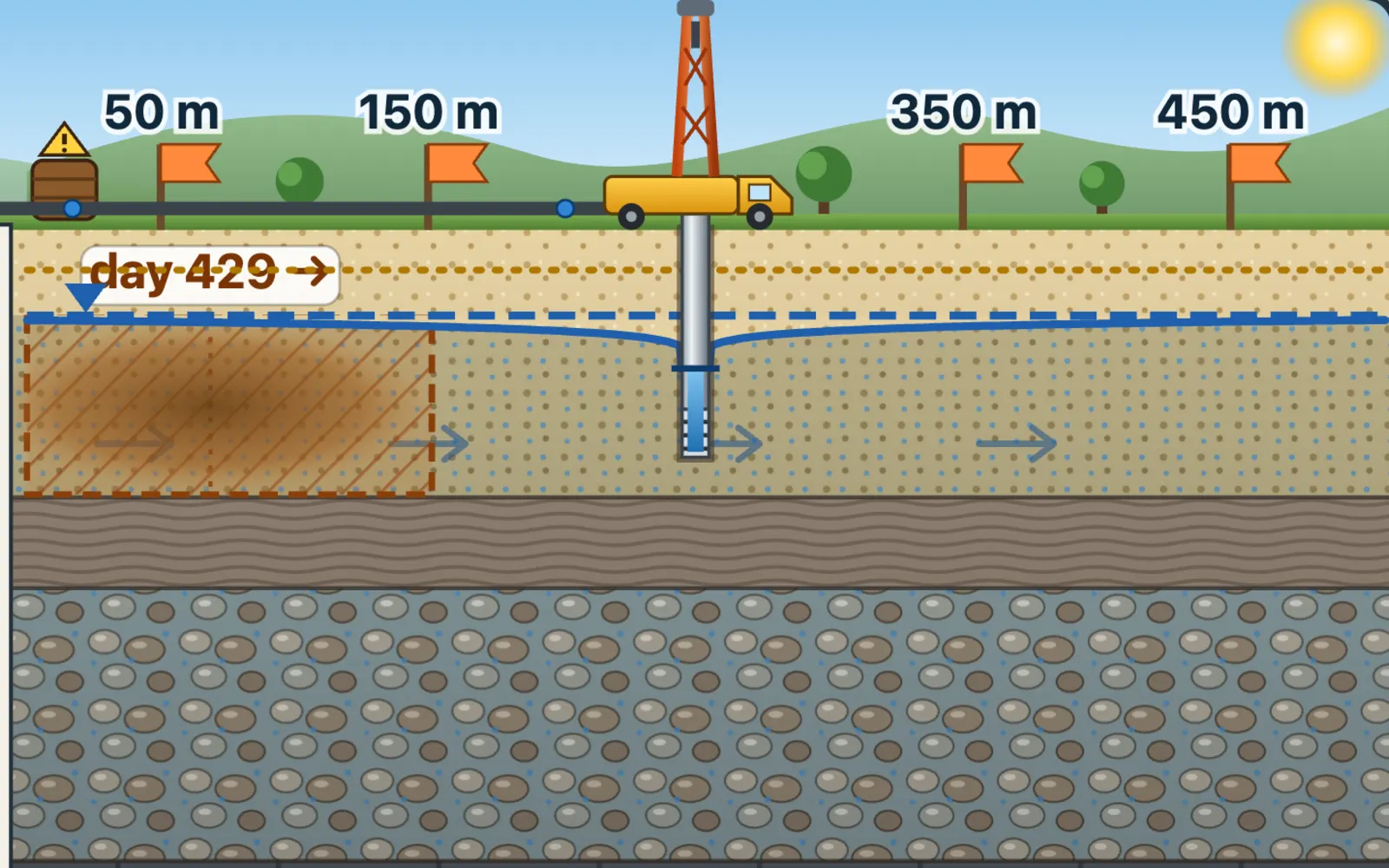 Practice
Read the ground under a town, put its well in the right aquifer, set a pumping rate it can sustain and steer clear of a fuel plume.
Launch Aquifer Hunter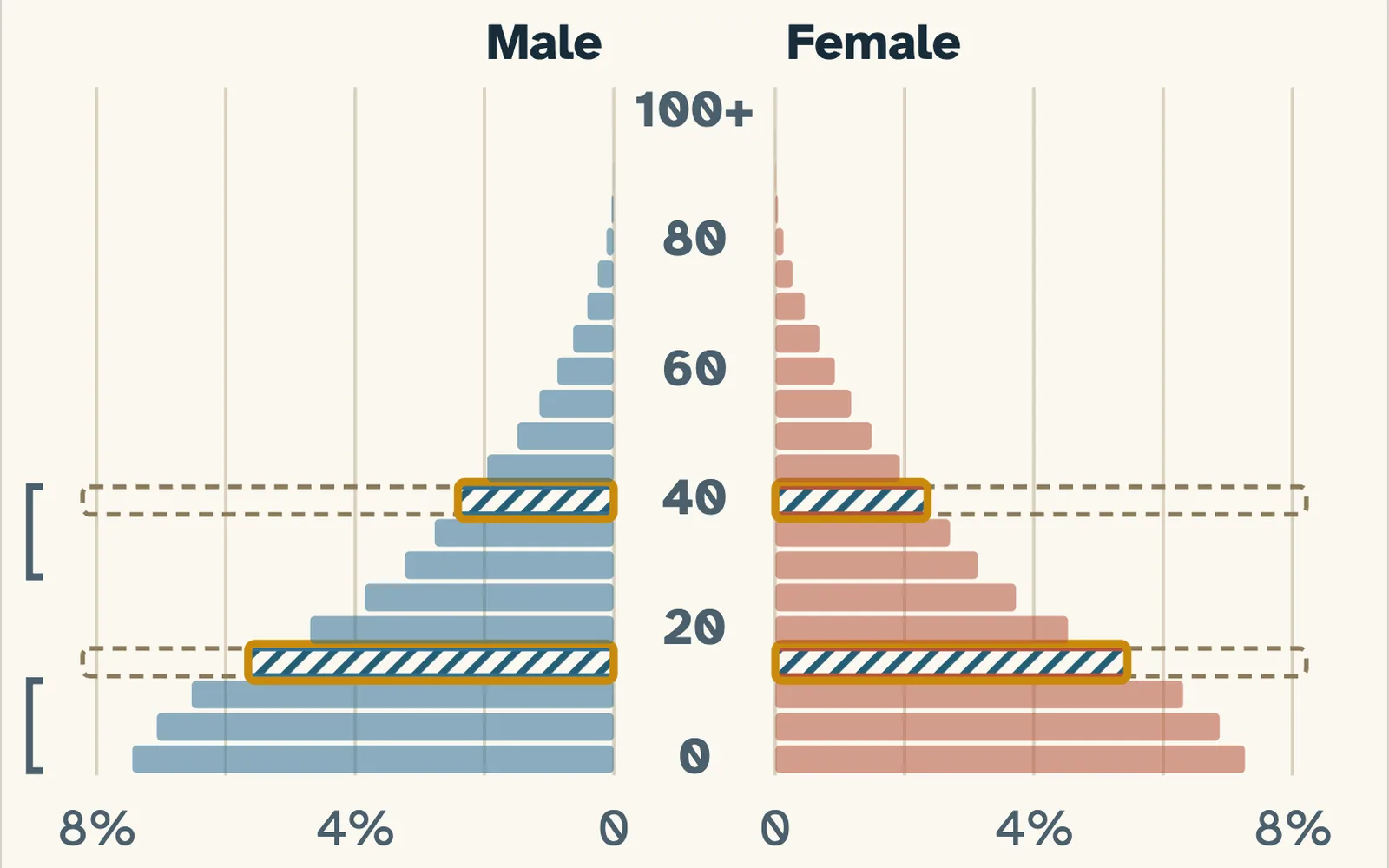 Practice
Rebuild real UN age–sex pyramids, project growth with the rule of 70, place countries on the DTM and build dependency ratios.
Launch Population Pyramid Builder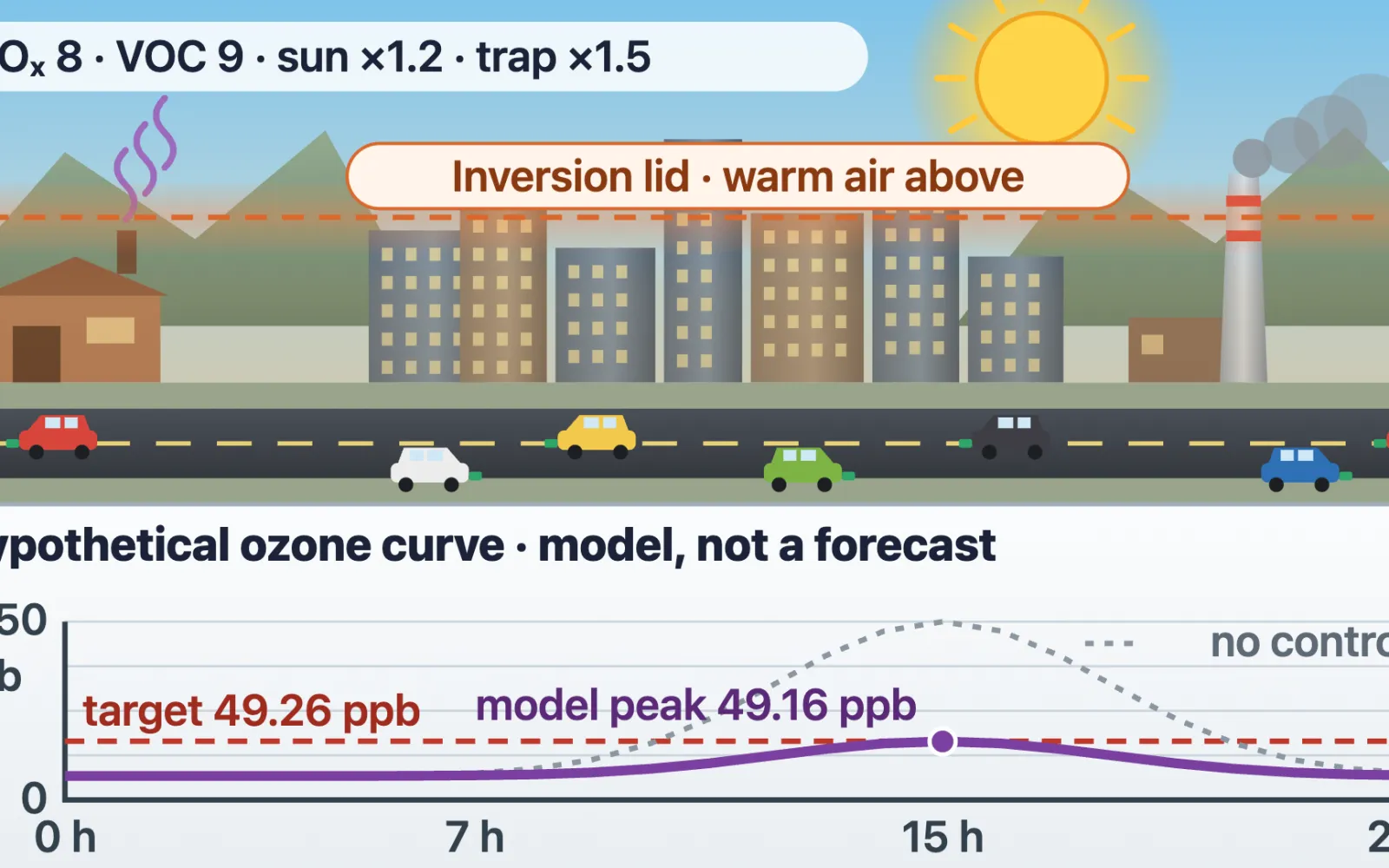 Practice
Run a city air-quality desk: pick controls to beat an ozone target on budget, post 8-hour AQI bulletins and trace acid rain.
Launch Smog Chemist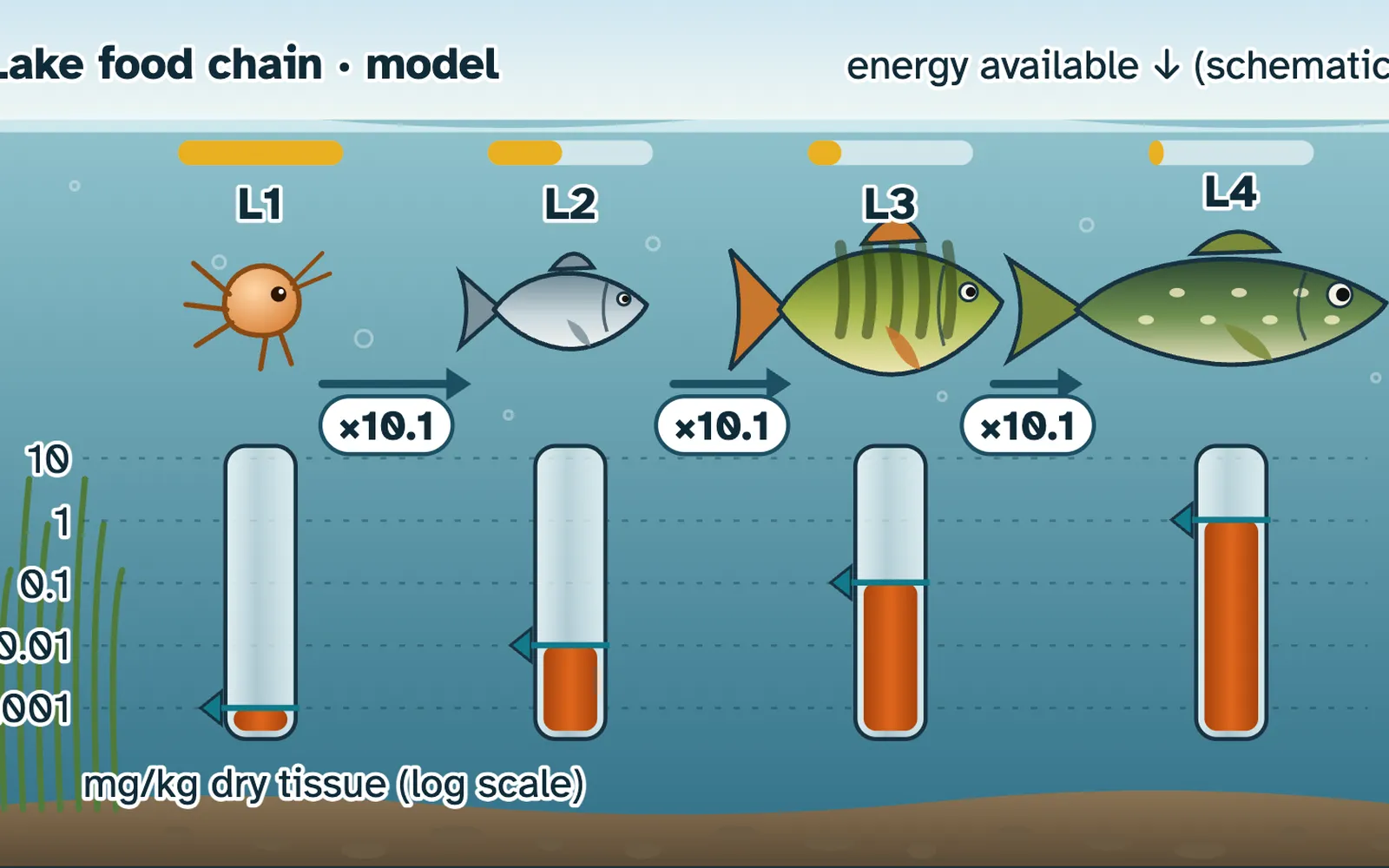 Practice
Follow mercury up a lake food chain, flag screening-line crossings, diagnose why DDT and methylmercury persist, and read an LD50.
Launch Bioaccumulation Chain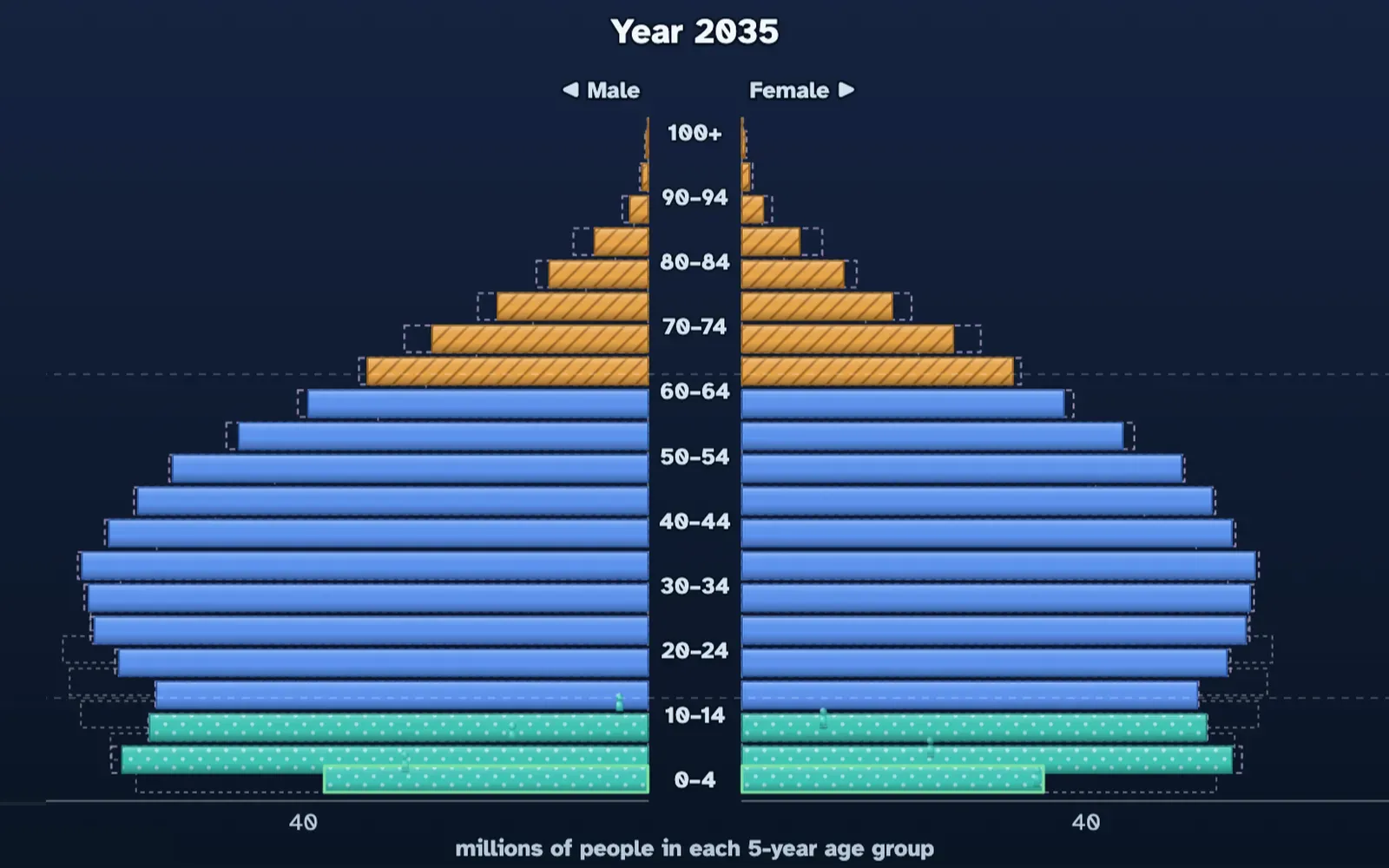 Lab
Follow births, deaths and migration in six countries, step a population pyramid five years at a time, and test what-if fertility futures.
Launch Human Population Lab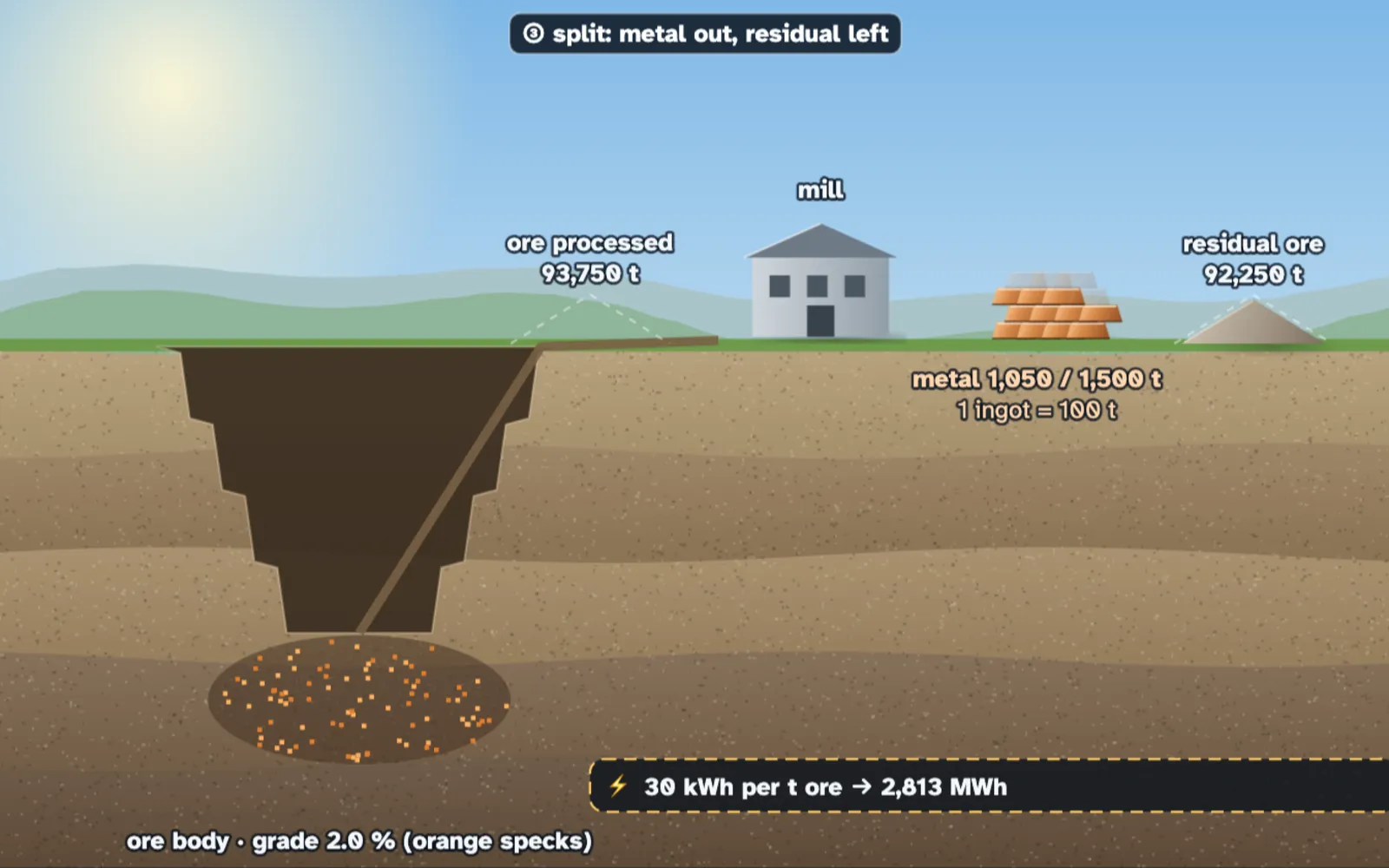 Lab
Run forest and ore stocks year by year, weigh energy return against life-cycle emissions, and find how much rock a tonne of metal costs.
Launch Earth Resources & Human Impact Lab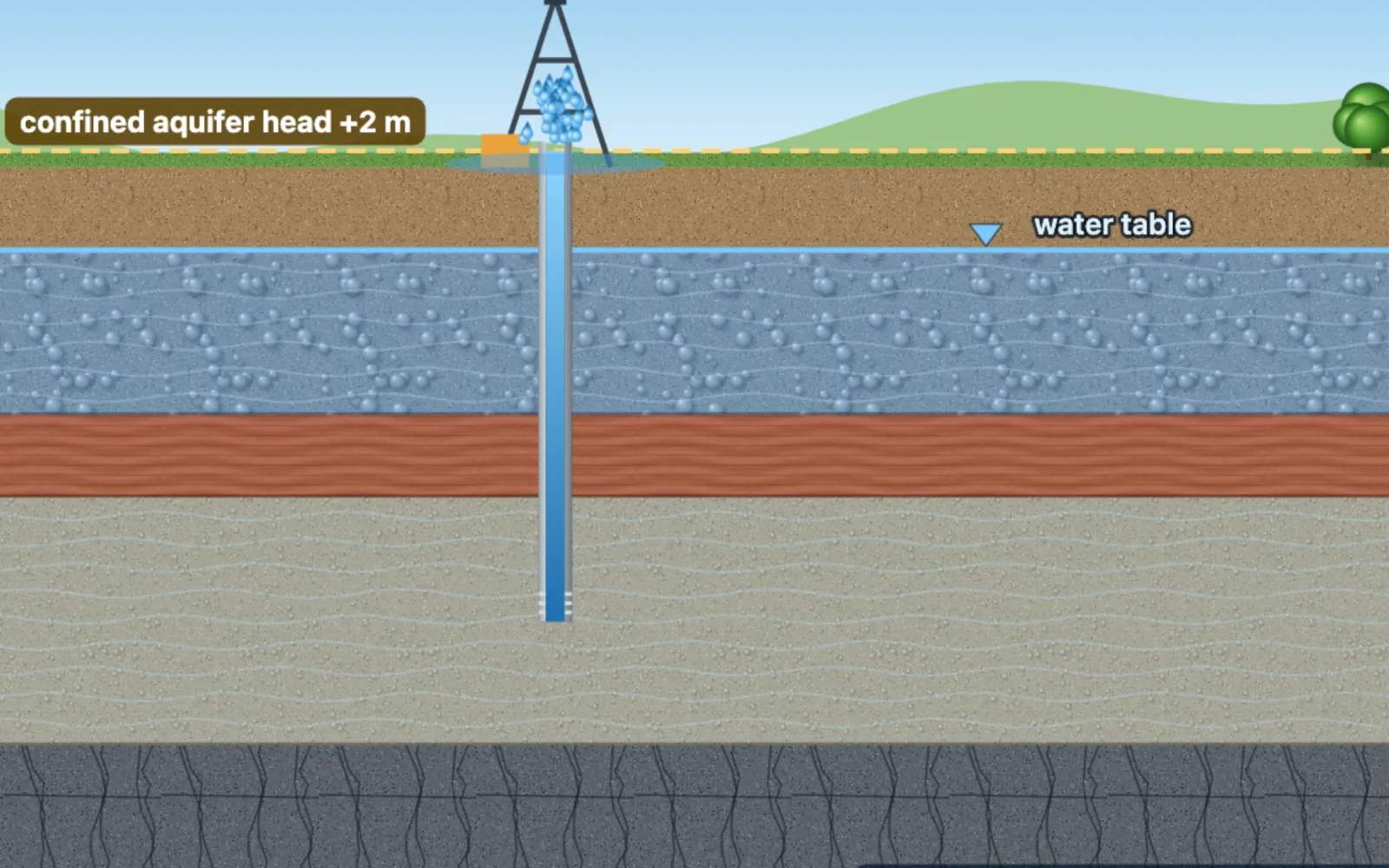 Lab
Push water through gravel and clay, drill wells, pump an aquifer dry, track a tracer and read San Joaquin's sinking land.
Launch Groundwater & Aquifers Lab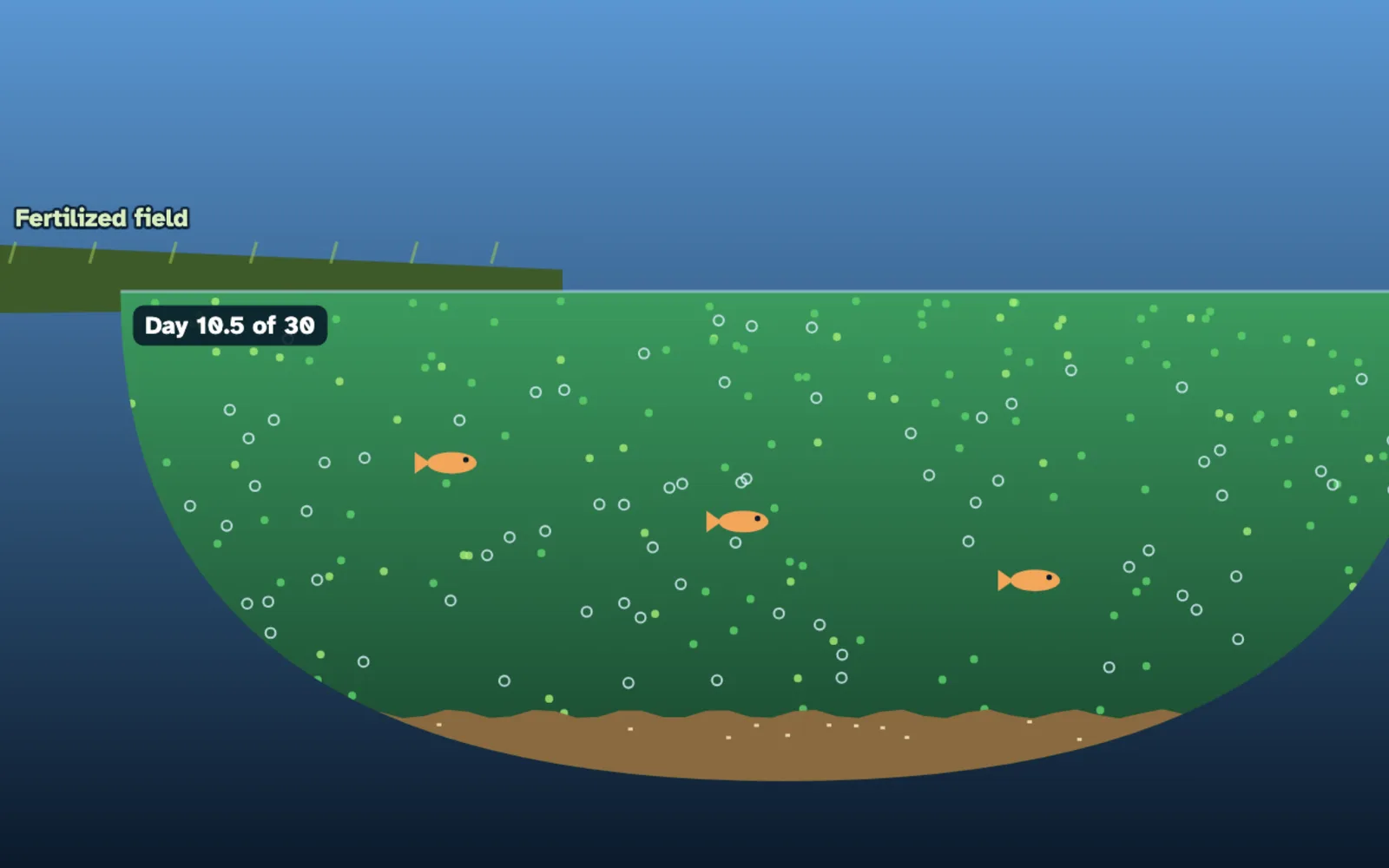 Lab
Test oxygen against temperature, follow a runoff pulse into an algae bloom and oxygen crash, and score streams by the animals in them.
Launch Water Quality Lab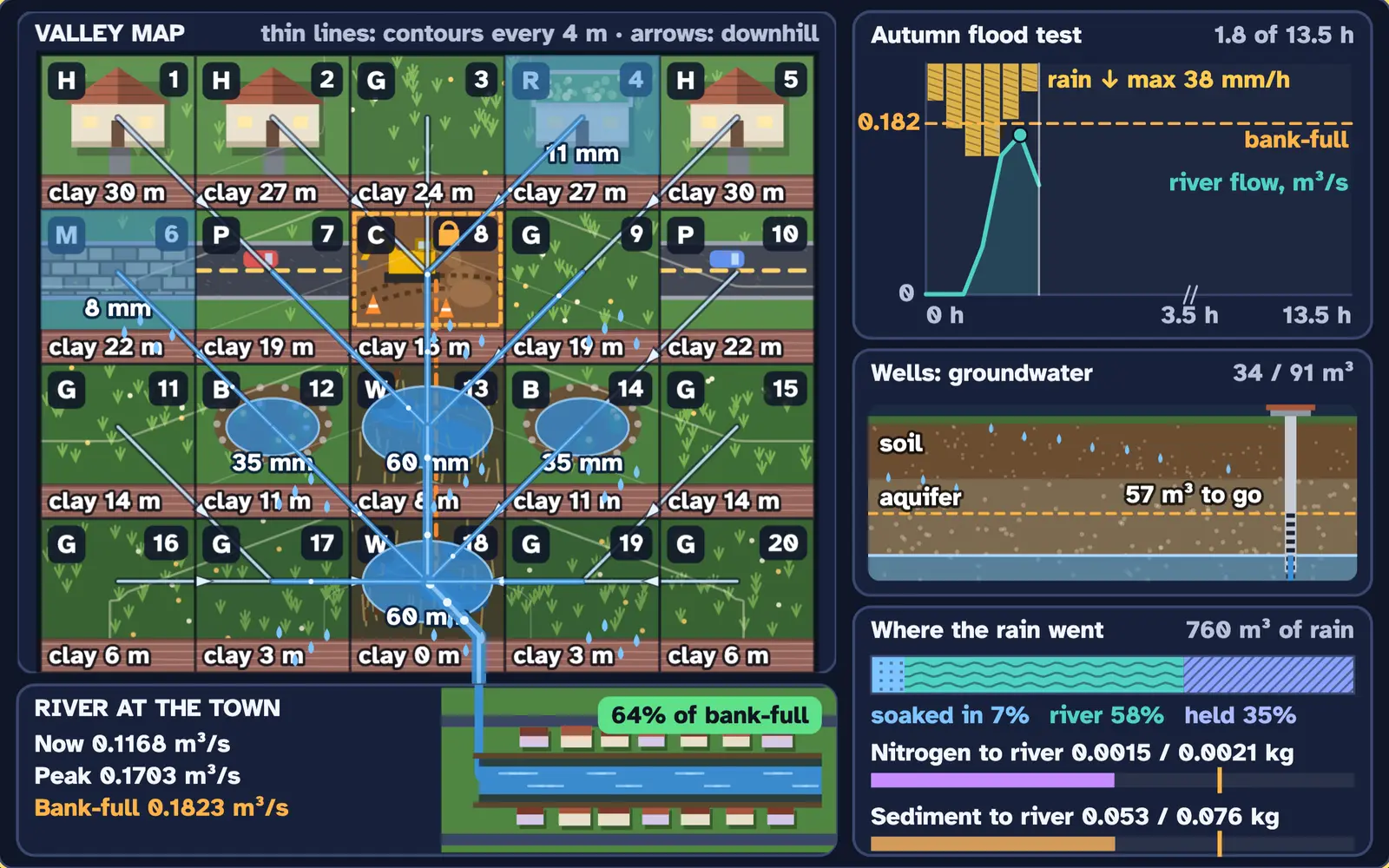 Arcade Game
Plan where homes, roads and green space go in a valley, then run the storm: keep the river off the town and the wells full. 25 levels.
Play Watershed Keeper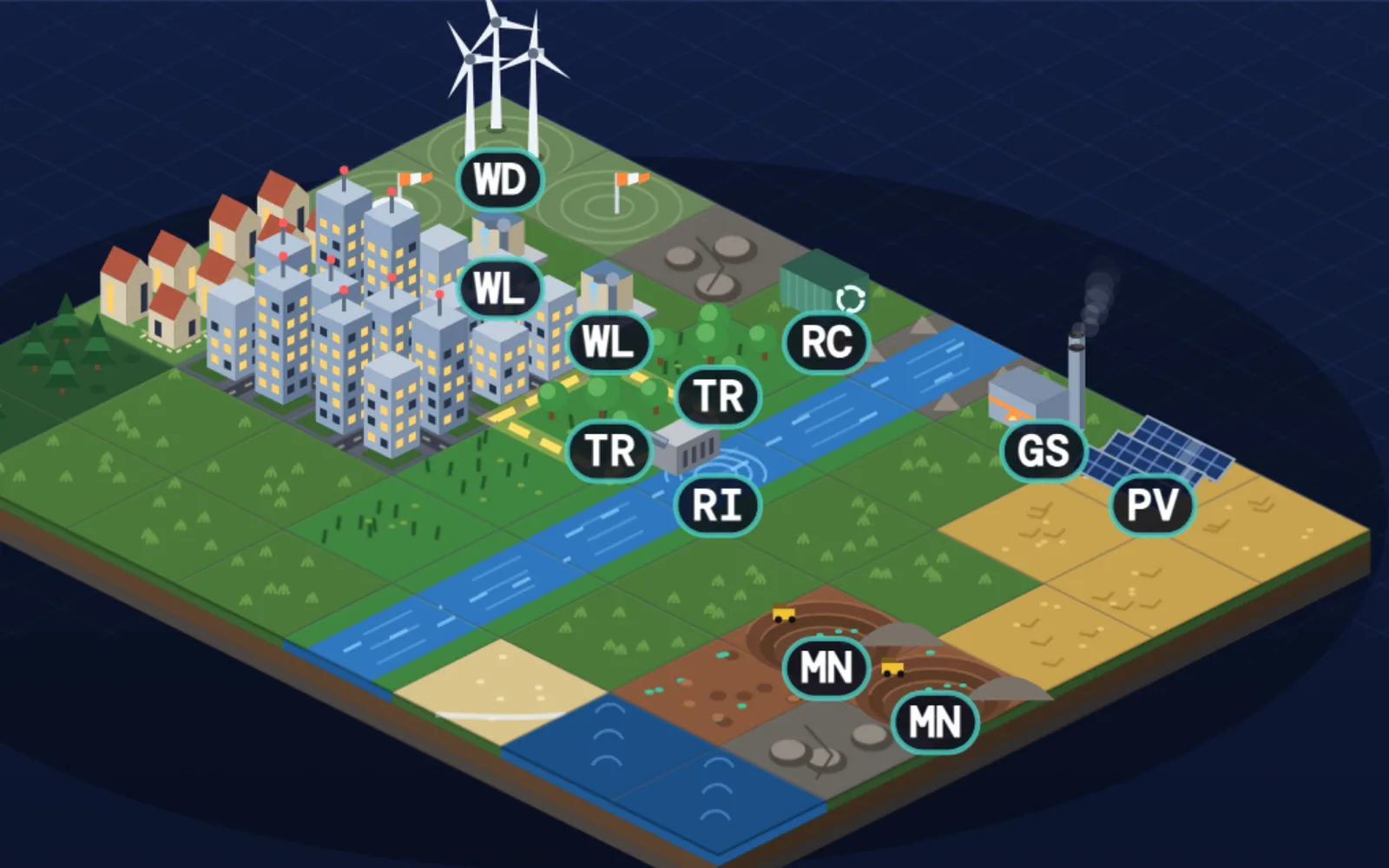 Arcade Game
Plan a town's water, power and copper for 50 years, building and retiring facilities before a resource runs out. 30 levels.
Play Resource TycoonNo Earth and Space activities match “”.